
Ceramic coating for off-road vehicles in Las Vegas, NV helps protect your paint from desert dust, mud, UV exposure, and the everyday contamination that comes with exploring Southern Nevada. Whether you own a Jeep Wrangler, Ford Bronco, Toyota Tacoma, Toyota 4Runner, or a lifted pickup truck, keeping your paint clean after a weekend on the trails can be a challenge.
Picture this. You spend Saturday exploring dirt roads outside Las Vegas. Your tires kick up dust, loose gravel collects around the wheel wells, and a thin layer of dirt covers your hood, doors, and roof.
When you get home, your vehicle looks like it had a great weekend.
The cleanup? That’s another story.
Desert dirt can settle into every corner of your exterior. Dried mud can stick to lower panels, while fine particles make washing more difficult. If you wipe those surfaces without removing the loose grit first, you can leave scratches across your clear coat.
Then there’s trail pinstriping.
Those long, thin scratches along the sides of off-road vehicles often come from branches and brush rubbing against the paint. Ceramic coating can help with surface maintenance, but it has limits when it comes to physical scratches.
Understanding those differences helps you choose protection that makes sense for the way you use your vehicle.
At Ceramic Pro Las Vegas, we install professional Ceramic Pro ceramic coatings and paint protection film for trucks, SUVs, and off-road vehicles. As an official Ceramic Pro Elite Dealer, our team works with owners who want to preserve their paint without giving up the outdoor adventures they enjoy.
Let’s look at what ceramic coating does, where paint protection film makes more sense, and how to care for your vehicle after a dusty trail day.
Las Vegas, NV offers access to desert scenery, mountain surroundings, and plenty of opportunities to enjoy a capable off-road vehicle.
But getting off the pavement means exposing your paint to conditions that ordinary commuters may rarely encounter.
Loose gravel, dust, mud, dry vegetation, and uneven terrain can all affect the appearance of your vehicle.
According to the National Weather Service’s Climate of Las Vegas, the Las Vegas Valley experiences abundant sunshine, very dry conditions, and periods of strong wind that can carry blowing dust and sand.
Those conditions affect vehicles even when they’re parked.
Once you leave paved roads, the exposure can increase.
A dirt road may leave fine dust across the hood, roof, doors, and tailgate. Loose stones can strike lower body panels, while bushes along narrow routes may brush against the sides.
Ceramic coating for off-road vehicles in Las Vegas can help make cleaning these surfaces easier after your outing.
It doesn’t mean you’ll stop collecting dust. It means compatible coated surfaces may release dirt and grime more readily during a proper wash.
A Jeep Wrangler may have excellent ground clearance. A Ford Bronco may have suspension designed for rough terrain. A Toyota Tacoma may have protective skid plates and off-road tires.
But none of those features makes the factory paint immune to scratches.
The hood, doors, fenders, and tailgate still have painted finishes that need care.
Even trucks with rugged styling can develop swirl marks, rock chips, and water spots.
If you want your off-road vehicle to look good between trips, protecting those painted surfaces is worth considering.
Some owners use their 4x4s only on weekends.
During the week, the vehicle sits inside a garage or outside in the driveway.
On Saturday, it’s covered in dust.
By Sunday afternoon, it’s back on the pavement.
That repeated cycle of dirt exposure and washing can gradually affect the clear coat.
A ceramic coating can help make cleanup more manageable, especially when you follow safe washing methods.
Dust might seem harmless compared with rocks and branches.
The problem is what happens when the dust moves across the paint.
Desert dust contains a mixture of small particles.
Some are soft, while others contain harder mineral material that can contribute to scratching when rubbed against painted surfaces.
Think about the layer of dust on your hood after a trail ride.
If you wipe it with a dry microfiber towel, some particles may become trapped between the towel and the clear coat.
As you move the towel, those particles can create fine marks.
Over time, repeated improper cleaning can leave visible swirl patterns.
This is especially noticeable on black, dark gray, and deep blue paint.
Professional ceramic coatings are designed to form a protective surface over properly prepared automotive paint.
Many coatings have hydrophobic properties, meaning water tends to bead and move across the treated surface more readily.
This can help during washing because some dirt and contamination may release with less scrubbing.
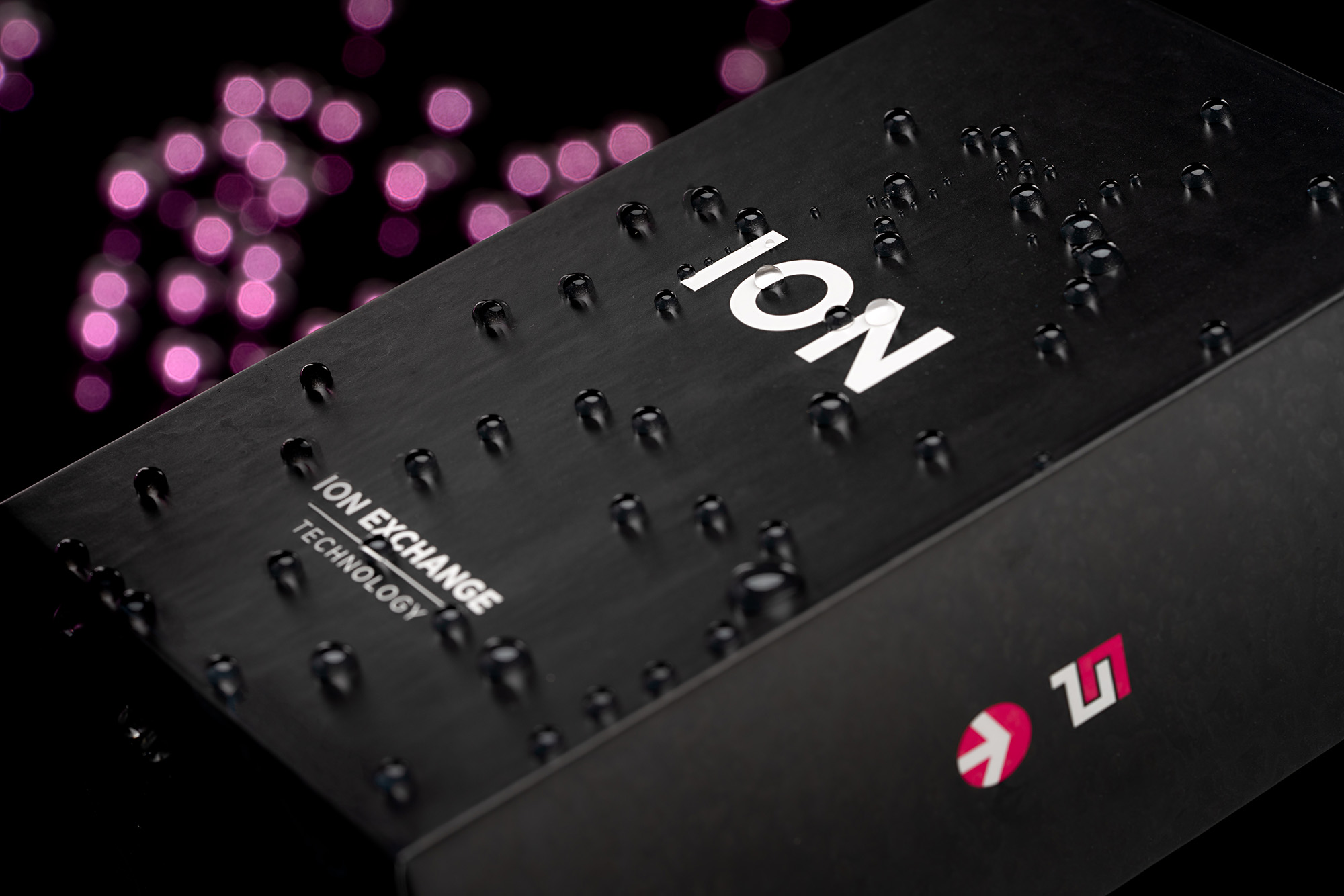
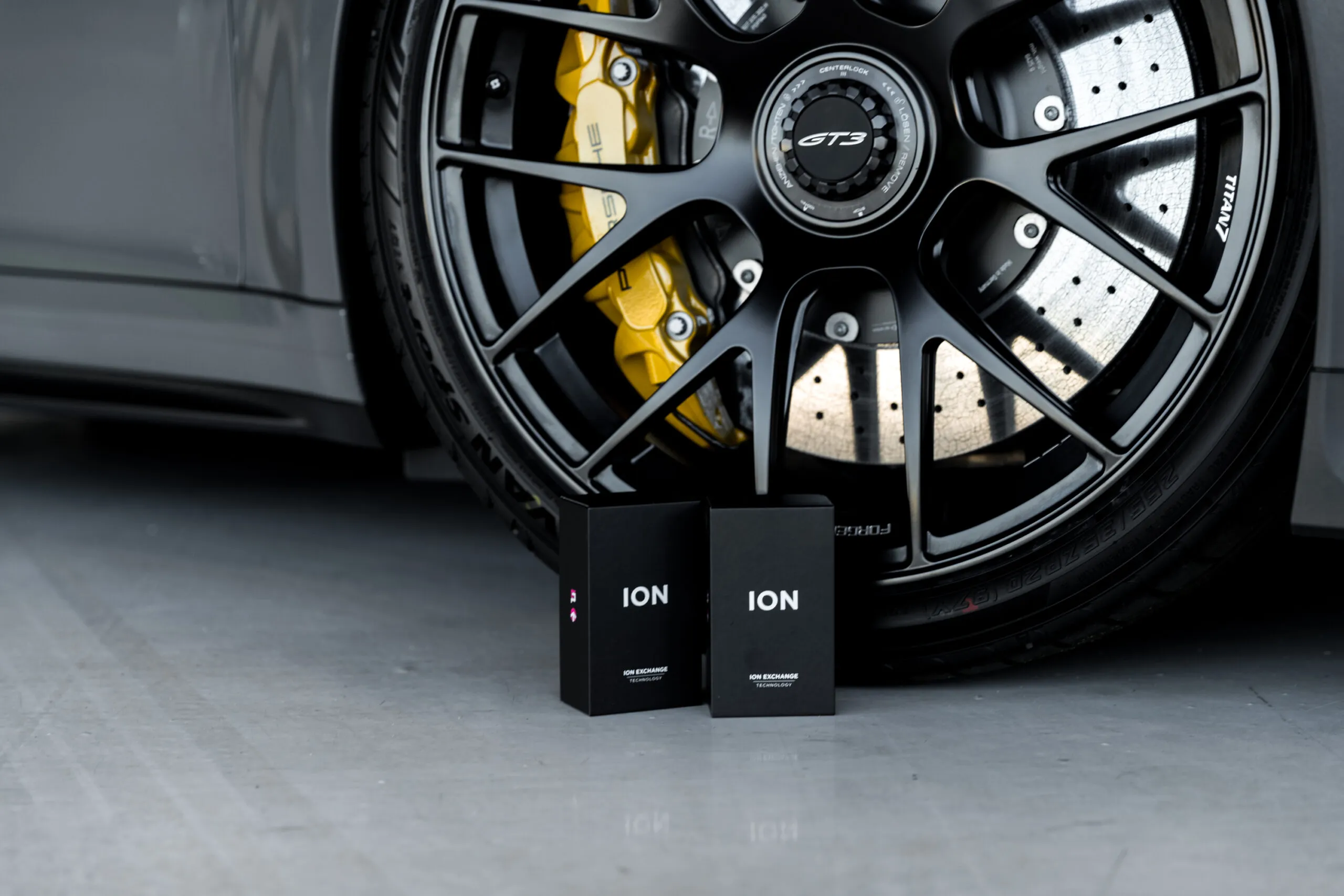
The Ceramic Pro ION coating system is designed to provide hydrophobic behavior, chemical resistance, and a glossy finish.
Here’s what matters for off-road owners.
The easier dirt is to remove safely, the less temptation there is to scrub aggressively.
Ceramic coating doesn’t guarantee scratch-free washing, but it can support a gentler cleaning routine.
It’s worth clearing up a common misunderstanding.
Ceramic coating will not make your vehicle dust-proof.
Fine particles can still settle on the hood, doors, roof, and other treated surfaces.
Dry weather and wind can leave a coated vehicle looking dusty just like an untreated one.
The difference is generally more noticeable when you clean it.
A properly maintained coating can make routine dirt removal easier.
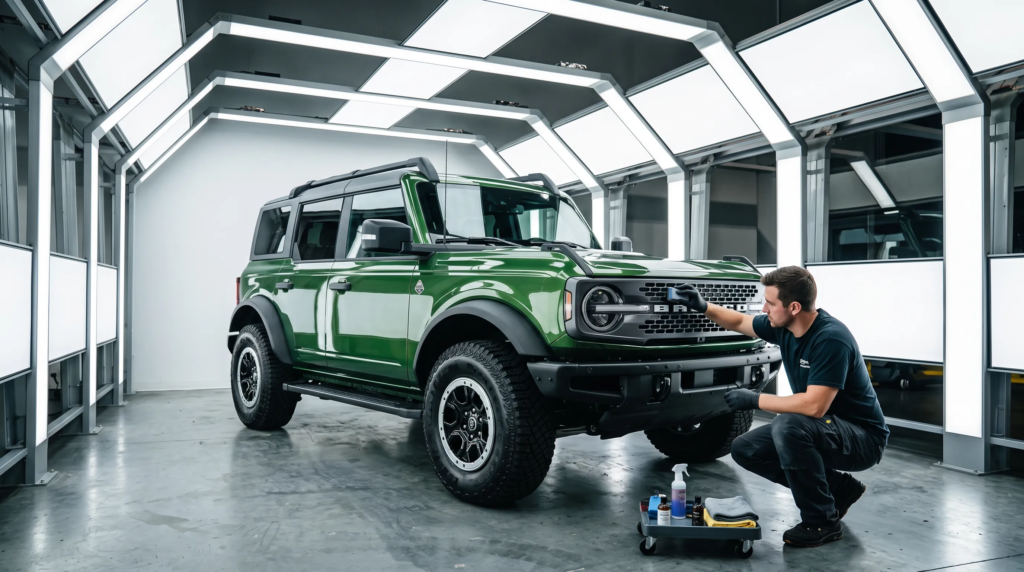
You still need water, suitable cleaning products, and careful technique.
Ceramic coating for off-road vehicles in Las Vegas provides several benefits for owners who want easier exterior care.
These benefits focus mainly on the paint’s surface rather than protection from heavy impacts.
Off-road vehicles encounter more than ordinary road film.
Dirt, mud, insects, bird droppings, and other residue can collect on painted surfaces.
A quality ceramic coating provides an additional barrier between certain contaminants and the clear coat.
This may make those materials easier to remove before they cause staining.
It doesn’t mean you should leave contaminants sitting indefinitely.
Prompt cleaning is still the better approach.
Southern Nevada receives plenty of strong sunshine.
Your vehicle may spend hours outdoors during trail trips or while parked at home.
Professional Ceramic Pro coatings are designed to provide resistance to UV exposure and oxidation.
This can help support the appearance of the painted finish over time.
It won’t make paint immune to sunlight or stop all forms of aging.
Covered parking and regular care remain helpful.
This is one of the most practical benefits for off-road owners.
After a dusty weekend, you want to remove grime without spending unnecessary time scrubbing the body panels.
A hydrophobic coating can help water and approved cleaning solutions release certain contaminants.
That can be useful on large vehicles with broad hoods, high roofs, and wide doors.
Just remember that caked-on mud still needs proper washing.
If you take pride in your Jeep, Bronco, or Tacoma, you probably enjoy seeing it clean between outings.
Ceramic coating can help maintain a glossy appearance on compatible painted surfaces.
For an older vehicle with swirl marks or light scratches, professional paint correction may be recommended before the coating is applied.
The coating itself won’t remove existing defects.
This is one of the biggest questions off-road owners ask.
Ceramic coating does not reliably prevent trail pinstriping from branches or brush.
That doesn’t make ceramic coating a poor choice.
It simply means you need to understand what kind of protection it provides.
Trail pinstriping refers to the long, thin scratches that appear along the sides of a vehicle after contact with vegetation.
You may notice them after traveling through a narrow dirt route where bushes or branches brush against your doors.
Some marks are extremely light.
Others can cut through the clear coat or reach the colored paint underneath.
The severity depends on the object, contact pressure, vehicle movement, and condition of the finish.
Ceramic coating forms a very thin protective layer over the painted surface.
It can provide resistance to certain types of chemical contamination and minor surface wear.
But it doesn’t have the same thickness or impact-absorbing characteristics as paint protection film.
A stiff branch pressing against your door can scratch the coating and the clear coat beneath it.
Some marks may polish out later, while deeper damage may require paint repair.
If preventing trail pinstriping is your main concern, ceramic coating alone is not the protection to rely on.
A properly coated vehicle may be easier to wash after a trip, reducing the risk of adding wash-related scratches.
But the coating will not make existing pinstriping disappear.
Light marks in the clear coat may sometimes be improved through paint correction.
Deeper scratches may not be safely removable with polishing.
If your off-road vehicle already has pinstriping, our team can inspect the finish and explain whether correction is appropriate.
If you’re comparing ceramic coating and paint protection film for an off-road vehicle, the difference comes down to the type of damage you want to reduce.
Ceramic coating can help with:
These benefits are useful for vehicles that spend time in the desert but are also used regularly around town.
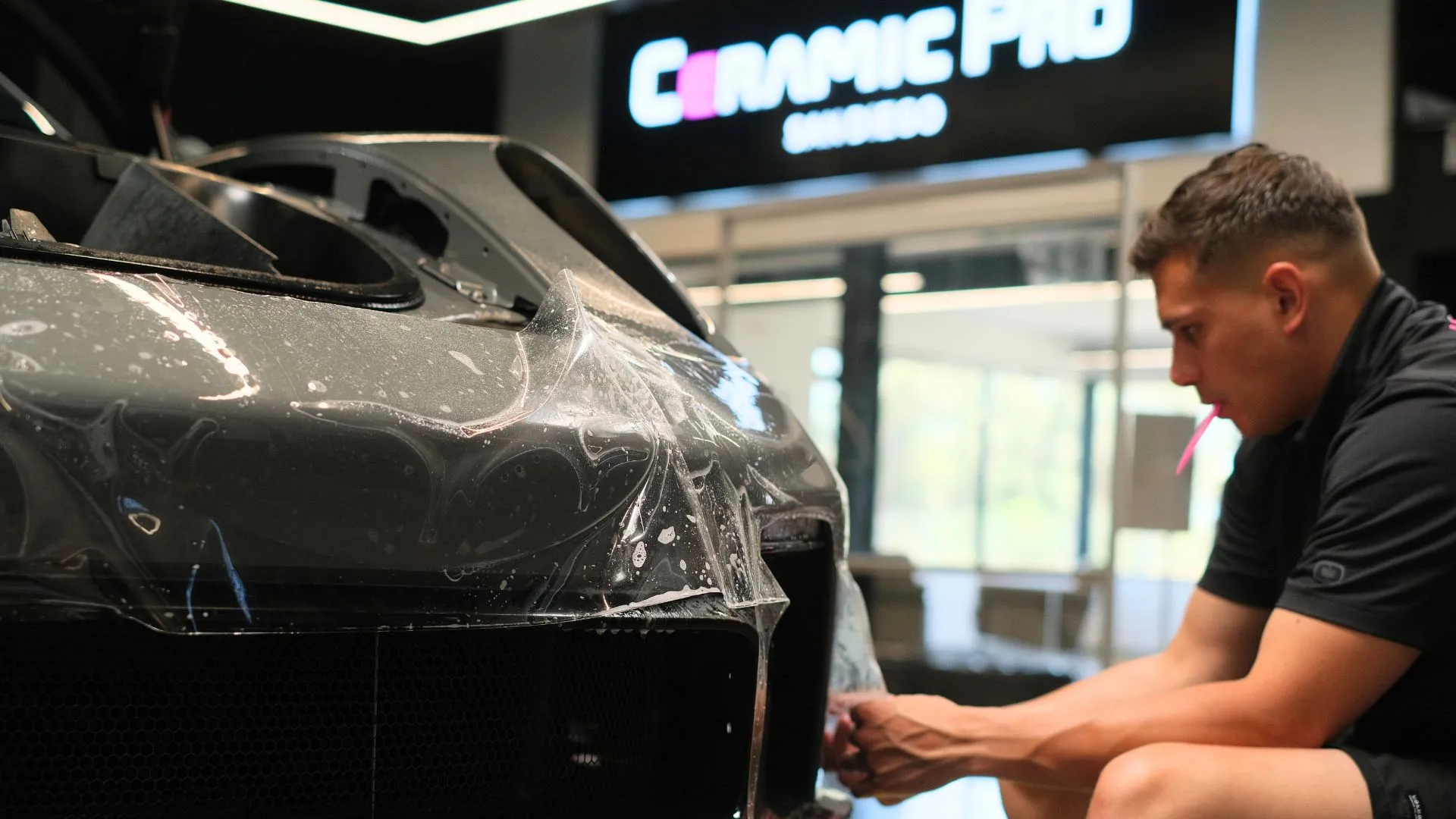
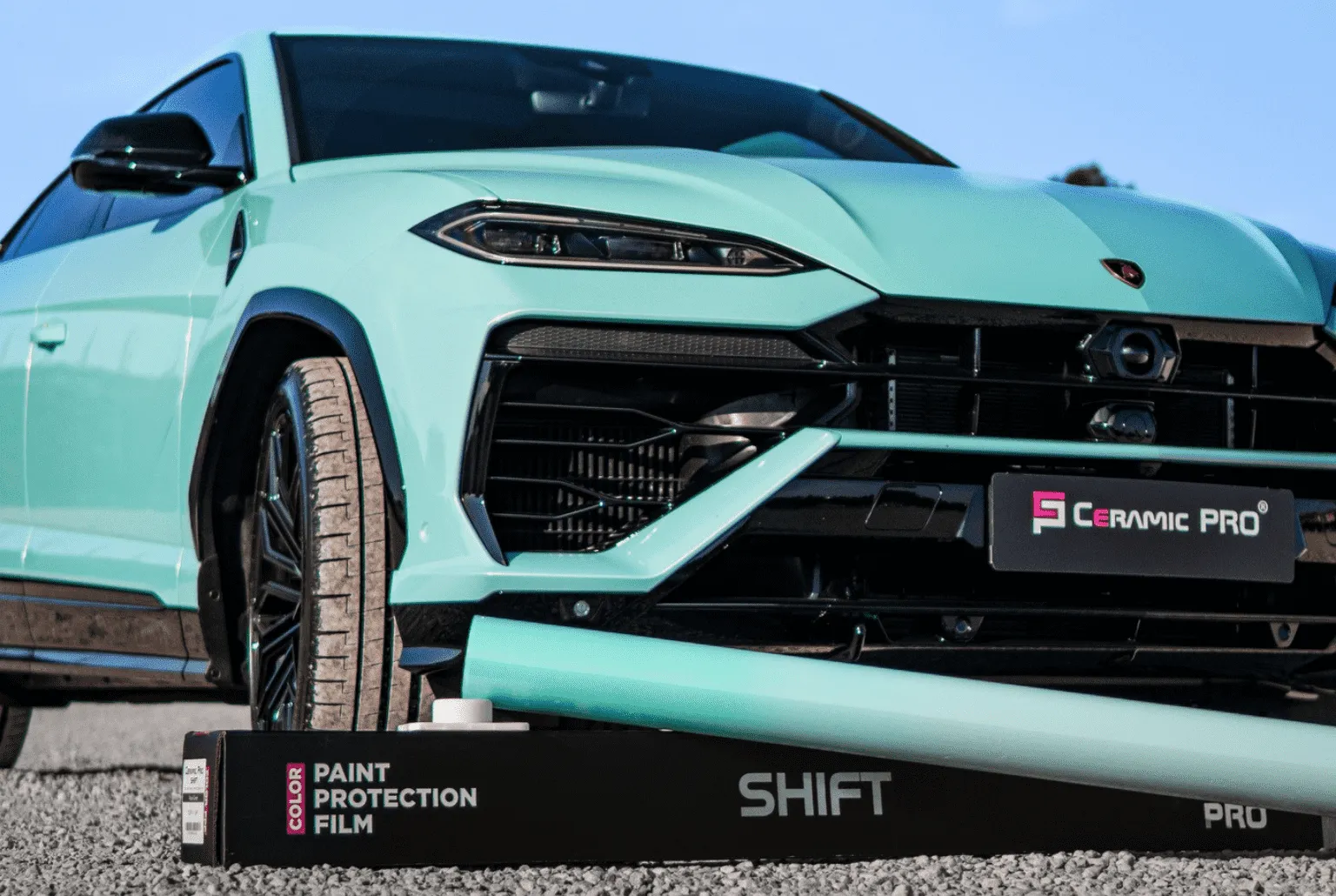
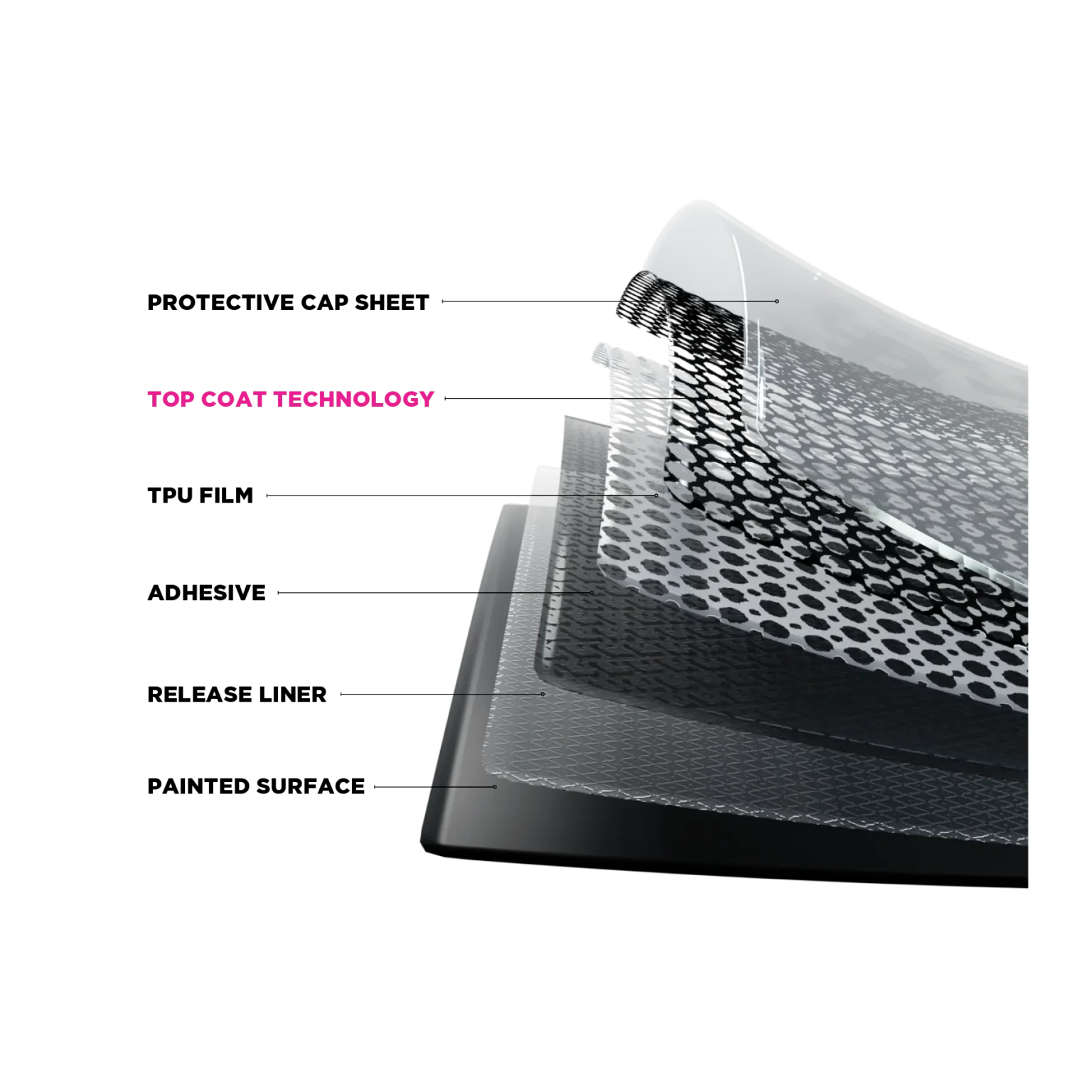
Paint protection film, commonly called PPF, is a thicker protective material installed over compatible painted panels.
It helps reduce damage from certain rock impacts, scratches, and surface abrasion.
For off-road vehicles, it may be worth considering on doors, fenders, rocker panels, and other exposed surfaces.
Some premium films feature self-healing topcoats that can reduce the appearance of light scratches in the film.
This is different from the protection provided by a ceramic coating.
No.
PPF can provide a useful barrier against certain light branch scratches, but sharp vegetation, heavy pressure, or repeated contact can still cut through the film.
A severe scrape may damage the film and the paint underneath.
The film can sometimes be replaced when it becomes damaged, provided the underlying paint remains sound.
That makes PPF appealing for owners who want a sacrificial protective layer over vulnerable body panels.
Yes, when the products are compatible.
A common approach is to install PPF on the painted areas most likely to encounter physical contact.
Compatible ceramic coating can then be applied to suitable surfaces to help with cleaning and maintenance.
Ceramic Pro Las Vegas offers Ceramic Pro Ultimate Armor, which combines film and coating technologies.
For a trail vehicle, discussing both products can help you build a protection plan based on where the damage is most likely to occur.
Ceramic coating for off-road vehicles in Las Vegas isn’t limited to one brand or body style.
Different vehicles have different paint surfaces, accessories, and areas exposed to damage.
Jeep owners often spend time on dirt roads and recreational trails.
Wranglers and Gladiators may have painted doors, hoods, fenders, and other panels exposed to branches or road debris.
A ceramic coating can help make these surfaces easier to clean after a trip.
If you regularly travel through brush, PPF on compatible painted doors and side panels may be worth discussing.
Textured fender flares, removable roof panels, and other materials should be evaluated separately.
The Ford Bronco is designed with off-road use in mind.
Depending on the trim and installed accessories, it may have a combination of painted panels, textured plastics, removable roof components, and exposed body sections.
Ceramic coating may be suitable for compatible painted surfaces.
If the Bronco frequently travels narrow routes, additional PPF on the doors and rear quarter panels may offer useful physical protection.
Not every exterior material should receive the same product.
Tacomas and 4Runners are popular choices for outdoor recreation.
These vehicles may be used for camping, exploring dirt roads, and everyday commuting.
Their painted hoods, doors, fenders, and rear body panels can collect road grime and trail dust.
Ceramic coating can help make cleaning easier.
Owners with oversized tires or aftermarket wheel setups may also want to discuss PPF for exposed lower-body areas.
Lifted trucks may have large tires, wider wheel arches, and additional exterior accessories.
Depending on the setup, loose gravel can reach painted areas near the wheels.
Ceramic coating helps with surface maintenance, while PPF provides a more suitable physical barrier for certain high-contact painted panels.
If your truck has aftermarket equipment, tell the installer before planning treatment.
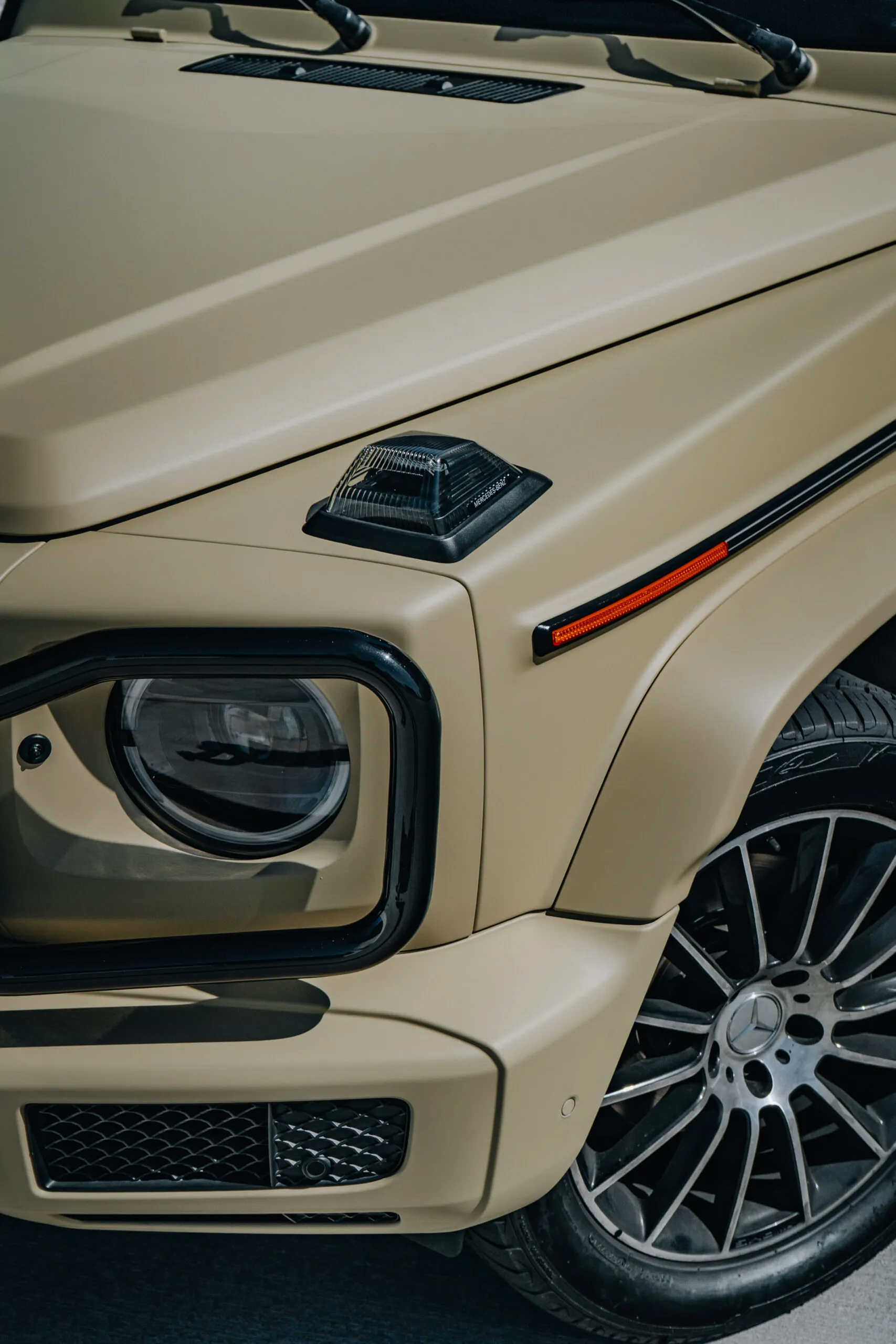
Some off-road vehicles have factory matte finishes, satin paint, or aftermarket wraps.
These surfaces require material-specific care.
Conventional polishing can permanently change the appearance of some matte finishes.
A professional should verify that the selected coating is compatible before application.
Ceramic Pro Las Vegas can discuss suitable protection for different exterior finishes after inspecting the vehicle.
At Ceramic Pro Las Vegas, we install professional Ceramic Pro coating systems, including Ceramic Pro ION.
This coating is designed to provide long-term surface protection with strong hydrophobic properties.
Ceramic Pro ION uses a two-stage coating system.
The manufacturer’s process includes an ION Base Coat and an ION Top Coat.
Ceramic Pro describes the system as using Ion Exchange Technology to form a dense protective layer over suitable automotive finishes.
The product is designed for chemical resistance, UV protection, gloss, and water-repelling behavior.
According to the official Ceramic Pro ION product information, the system is available through Ceramic Pro Elite Dealers.
An off-road vehicle may become extremely dirty during a weekend trip.
A properly maintained ceramic coating can make cleaning certain contaminants less difficult.
ION’s hydrophobic surface helps water bead, while its chemical resistance can help reduce the effect of some environmental contamination.
For owners who regularly wash their vehicles after outdoor outings, those benefits can be useful.
But ION is still a ceramic coating.
It should not be confused with the physical impact protection of PPF.
Ceramic Pro Las Vegas is an official Ceramic Pro Elite Dealer.
Our team installs Ceramic Pro ION and other professional coating products with applicable warranty coverage.
The warranty depends on the selected package, installation, registration, and maintenance requirements.
Off-road use can expose coatings to conditions beyond ordinary commuting, so it’s worth discussing those conditions before installation.
We’ll explain which product and maintenance requirements apply to your vehicle.
Knowing how to wash your off-road vehicle is just as important as choosing a protective coating.
Even a coated vehicle can develop scratches if you clean it incorrectly.
After a dusty outing, inspect the exterior before touching it.
If the panels are covered in loose dust or dried mud, don’t start wiping them with a towel.
Rinse away as much loose contamination as possible using a safe water flow and the vehicle manufacturer’s instructions.
This reduces the amount of grit that can become trapped in your wash mitt.
If mud has dried on lower doors, fenders, or wheel arches, let water soften it before attempting removal.
Avoid scraping dried mud from painted surfaces.
Hard particles trapped in mud can scratch the clear coat if rubbed across it.
Some areas may require repeated gentle rinsing rather than aggressive scrubbing.
Once the loose dirt has been removed, wash the vehicle using a shampoo approved for the installed coating.
The Ceramic Pro Coating Aftercare Guide recommends suitable cleaning products and careful hand-washing methods.
Avoid harsh detergents that aren’t approved for your coating.
Use a clean wash mitt and work carefully around heavily contaminated panels.
Off-road tires and wheels often collect much more dirt than the upper body panels.
Don’t use the same wash mitt on muddy wheels and your painted doors.
Grit from the tires can scratch the paint if carried onto another surface.
Use separate tools for wheels, tires, and heavily contaminated areas.
Once the vehicle is clean, rinse thoroughly.
Dry with clean microfiber towels or another coating-safe method recommended by your installer.
Avoid dragging dirty towels across the paint.
In Las Vegas, NV, washing in shade can help keep water from drying too quickly on hot panels.
Once the vehicle is dry, take a look at the painted surfaces.
Check for rock chips, scratches, water spots, and other marks that weren’t visible beneath the dust.
If you find deep scratches or damaged film, have the area inspected before attempting aggressive correction.
A good wash can reveal the vehicle’s true condition after a demanding trip.
Dust isn’t the only problem off-road vehicles encounter.
Mud, bug residue, and other contamination can become difficult to remove if left on painted surfaces.
Ceramic coating can make certain wet contaminants easier to clean because of its hydrophobic surface.
But it won’t prevent all mud from sticking.
Thick mud can still build up around fenders, door seams, wheel arches, and lower body panels.
The type of soil, amount of moisture, and condition of the surface all affect how the mud behaves.
Ceramic coating for off-road vehicles in Las Vegas should be viewed as a way to support easier cleaning, not a guarantee that mud will fall off on its own.
Water spots can be frustrating after you’ve spent time cleaning your vehicle.
When mineral-containing water evaporates, deposits may remain on the surface.
Ceramic coating helps water bead and release more readily, but it doesn’t guarantee freedom from water spots.
Drying the vehicle promptly after washing helps reduce mineral deposits.
For stubborn marks, ask your installer about approved cleaning products.
Mud can also collect around wheel wells, suspension components, underbody shields, and other mechanical areas.
Ceramic coating on painted body panels isn’t a substitute for cleaning or inspecting those areas.
Follow the vehicle manufacturer’s guidance when washing around brakes, electrical components, sensors, and mechanical equipment.
Proper off-road cleanup is also good for the places you visit.
Soil and plant material can be carried between recreation areas on tires, underbody components, and equipment.
The Bureau of Land Management’s Nevada Weeds and Invasives Program explains why limiting the spread of invasive plants matters in Nevada’s desert environments.
Cleaning off mud and plant material before visiting another area can help reduce unwanted transport of seeds and debris.
The Tread Lightly! T.R.E.A.D. Principles also encourage responsible travel on designated routes and avoiding wet, muddy trails when possible.
Protecting your vehicle and caring for the places you visit can go together.
A quality coating installation begins with preparing the surface correctly.
This matters even more when a vehicle has spent time on dirt roads or trails.
Before applying ceramic coating, the installer should examine the paint for scratches, chips, stains, and other defects.
A used off-road vehicle may have light trail pinstriping or wash-related swirl marks.
Those issues should be evaluated before coating.
A coating will not hide every existing imperfection.
The vehicle must be thoroughly cleaned so the coating can bond to the intended surfaces.
Dust, road grime, bonded particles, and other contamination need to be addressed.
The amount of preparation depends on the vehicle’s condition.
A newer Bronco used mainly on pavement may need less correction than an older Jeep with years of trail use.
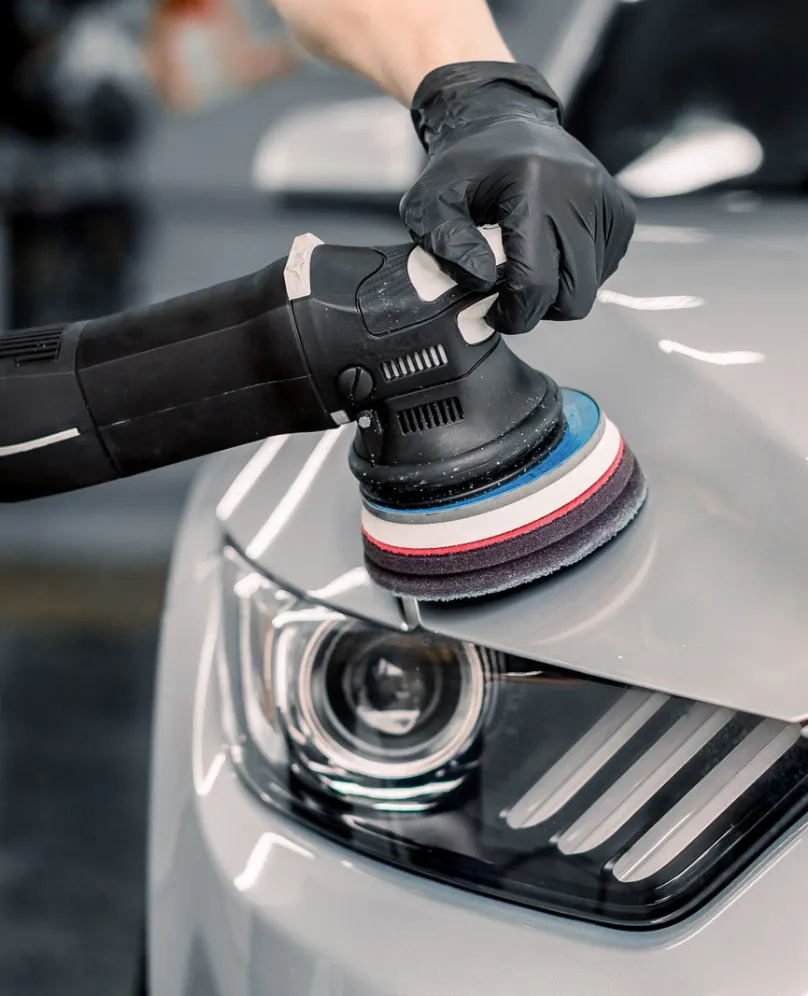
If the clear coat has light scratches or haze, polishing may improve its appearance before coating.
Our paint correction services can address suitable paint defects.
The amount of correction possible depends on clear-coat condition and thickness.
Deep pinstriping that reaches through the clear coat may require a different repair.
Once the surface is prepared, the selected coating is applied according to the manufacturer’s instructions.
Ceramic Pro ION uses its specified base and top coat process.
The coating then needs time to cure.
Your installer should explain what to avoid during that period.
Ceramic Pro’s published aftercare guidance describes a curing period of approximately two to three weeks for its coating packages, depending on environmental conditions.
The manufacturer advises against washing the vehicle for at least two weeks after delivery.
For off-road owners, this matters when planning the next trail trip.
A freshly coated vehicle should not immediately be exposed to heavy mud, abrasive brush, or other difficult cleaning conditions.
Discuss your plans with the installer and follow the instructions for your selected product.
Ceramic coating for off-road vehicles in Las Vegas can make exterior care easier, but regular maintenance still matters.
A vehicle that spends time in dirt and gravel will often need more attention than one that stays on paved streets.
If your vehicle returns covered in dust or mud, clean it when practical, after the initial coating curing restrictions have passed.
Don’t allow heavy contamination to accumulate for long periods.
The longer dirt sits on certain surfaces, the harder it may become to remove safely.
Automatic car washes with rotating brushes can introduce scratches, especially when the vehicle is covered in grit.
Ceramic Pro recommends avoiding brush-style car washes for coated vehicles.
For an off-road truck or SUV, careful hand washing is generally the better approach.
It’s helpful to keep suitable wash products, clean microfiber towels, and separate wheel-cleaning tools ready at home.
That makes it easier to wash the vehicle properly after a trip.
Avoid using household cleaners or strong degreasers on coated paint unless the manufacturer approves them.
A properly maintained ceramic coating usually shows water-repelling behavior.
If you notice a change, the surface may have accumulated contamination or the coating may require professional maintenance.
Reduced water beading doesn’t always mean the coating has completely failed.
Ask your installer to inspect the finish before applying unapproved products.
Off-road use can be demanding on exterior finishes.
A professional maintenance visit may help address stubborn contamination and identify damage early.
Warranty terms may also include maintenance requirements.
Ceramic Pro Las Vegas can explain the care schedule associated with your selected coating package.
If you’re looking for ceramic coating for off-road vehicles in Las Vegas, choosing the right installer and protection plan matters.
Your vehicle’s condition, exterior materials, and trail use should guide the discussion.
At Ceramic Pro Las Vegas, we provide professional ceramic coating, PPF, and paint correction services for trucks, SUVs, Jeeps, and other vehicles.
Our shop welcomes vehicle owners from:
We work with customers who use their vehicles for daily commuting, outdoor recreation, and weekend trail outings.
Whether your Jeep stays mostly on pavement or your Tacoma regularly travels dusty routes, our team can help you compare protection options.
Our ceramic coating services include professional Ceramic Pro systems designed for gloss, hydrophobic behavior, and resistance to certain environmental contaminants.
For off-road owners, the easier-cleaning benefit is often worth discussing.
If your vehicle frequently encounters branches, brush, or flying gravel, ceramic coating alone may not provide the physical protection you’re looking for.
Our Ceramic Pro Paint Protection Film can help protect compatible body panels against certain light scratches and impacts.
We can discuss full front protection, targeted panels, or broader coverage based on your vehicle.
Some off-road owners also want to make the interior easier to care for.
Dusty clothing, dirty shoes, and outdoor equipment can leave residue on seats and trim.
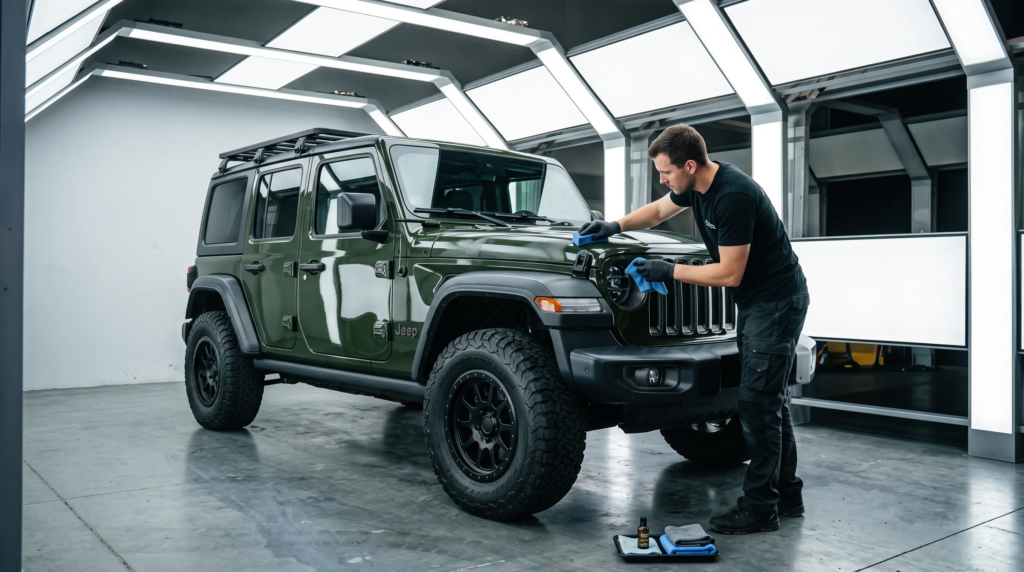
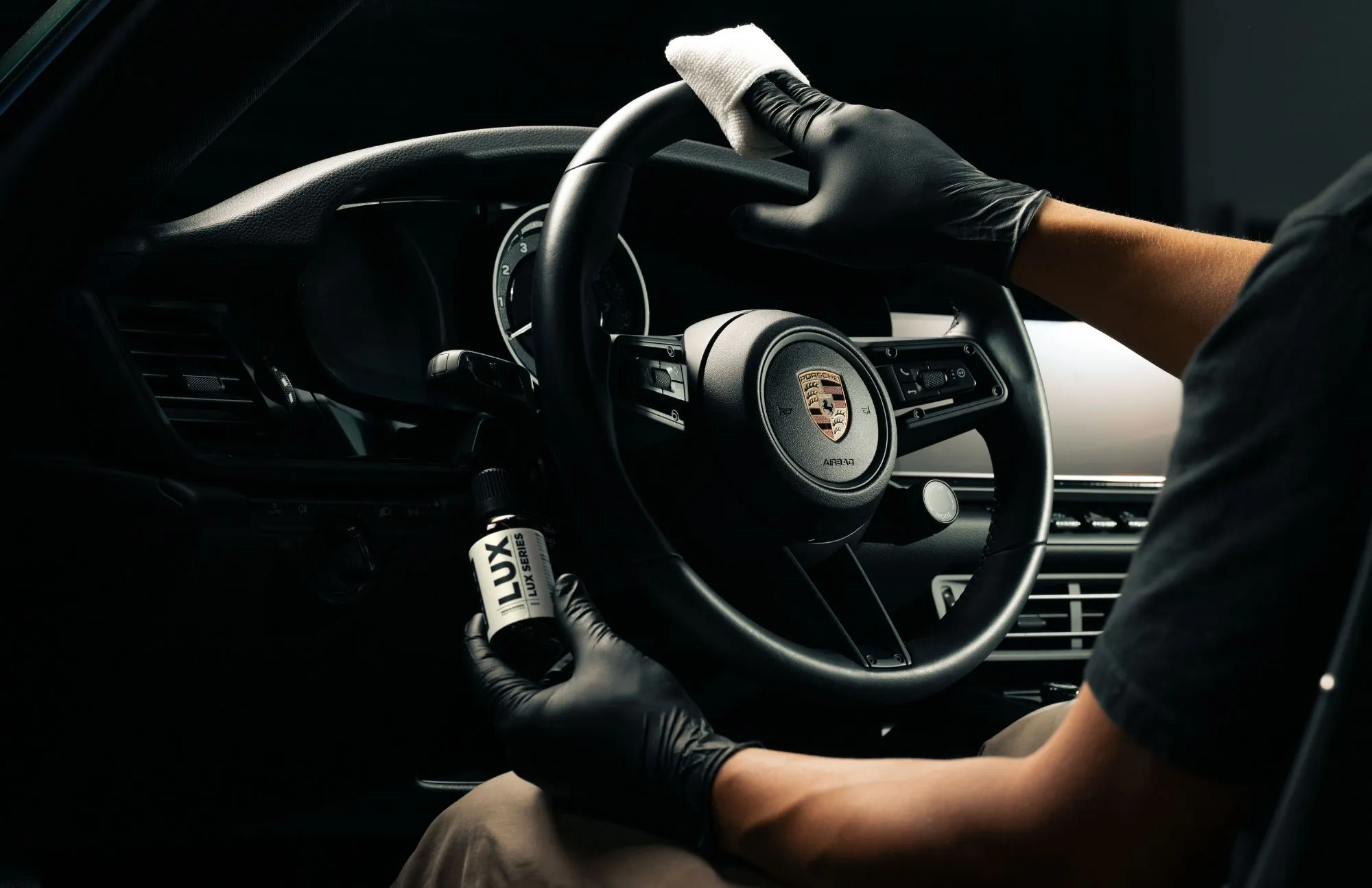
Our Ceramic Pro LUX Interior Ceramic Coating is designed for suitable leather, plastic, vinyl, and other compatible interior materials.
Ask our team which surfaces can be treated safely.
Ceramic coating is worth considering if you want your off-road vehicle to be easier to wash after dusty outings while adding resistance to certain contaminants and UV exposure. It can help preserve a glossy finish on compatible painted surfaces. It won’t prevent every scratch or rock chip, so vehicles exposed to frequent physical contact may benefit from additional paint protection film.
No. Ceramic coating does not reliably prevent the long scratches caused by branches and brush rubbing against vehicle paint. It may provide limited resistance to minor surface wear, but a stiff branch can still scratch through the coating. Paint protection film provides a thicker physical barrier for compatible painted panels, although even PPF cannot stop every scratch.
Ceramic coating can make some mud and grime easier to remove because of its hydrophobic surface properties. Thick or dried mud may still require soaking and gentle rinsing. Never scrape dirt from painted panels or use abrasive tools. A coating helps with cleaning, but it doesn’t make a vehicle mud-proof.
Yes, Ceramic Pro ION can be considered for compatible painted surfaces on Jeeps, Broncos, and other off-road vehicles. The installer should inspect the paint and identify any textured plastic, matte finishes, wraps, or specialty materials before application. Not every exterior component is suitable for the same coating.
Choose based on the damage you’re trying to reduce. Ceramic coating focuses on easier washing, gloss, and resistance to certain contaminants. PPF provides a thicker barrier against light scratches and road debris. If your truck regularly encounters narrow, brush-lined routes, PPF on vulnerable painted areas may be more useful. Compatible coatings and PPF can also be combined.
Rinse loose dust and dirt away before touching the paint. Soften heavy mud with water, then wash with an approved automotive shampoo and clean wash mitts. Use separate tools for wheels and heavily contaminated areas. Avoid automatic brush washes and dry wiping. Follow the manufacturer’s curing restrictions before the first wash after coating installation.
Ceramic Pro Las Vegas provides professional Ceramic Pro ceramic coating installation at 8540 Dean Martin Dr., Suite 170, Las Vegas, NV 89139. As an official Ceramic Pro Elite Dealer, we offer Ceramic Pro ION, paint protection film, paint correction, and applicable warranty-backed services. Call (702) 943-8877 or visit our contact page to discuss your vehicle and schedule an appointment.
Owning an off-road vehicle means you’re probably not afraid of getting it dirty.
Dusty roads, muddy trails, and weekends outdoors are part of the experience.
But that doesn’t mean you have to make cleaning your vehicle harder than necessary.
Ceramic coating for off-road vehicles in Las Vegas, NV provides added resistance to certain contaminants, supports easier washing, and helps maintain the appearance of compatible painted surfaces.
For vehicles exposed to branches, gravel, and other physical hazards, paint protection film may provide a more suitable barrier on vulnerable panels.
The right combination depends on how you use your vehicle.
At Ceramic Pro Las Vegas, our certified team can inspect your Jeep, Bronco, Tacoma, 4Runner, or pickup truck and discuss available Ceramic Pro protection products.
We’ll help you understand what ceramic coating can do, where PPF may be useful, and how to care for your vehicle after installation.
Ready to protect your off-road vehicle?
Call Ceramic Pro Las Vegas at (702) 943-8877 to discuss ceramic coating, paint protection film, and vehicle preparation.
You can also request a quote and schedule an appointment through our contact page.
Ceramic Pro Las Vegas
8540 Dean Martin Dr., Suite 170
Las Vegas, NV 89139
Business Hours: Monday through Friday, 9 AM to 6 PM
Website: https://ceramicprolv.com
Enjoy the trails, clean your vehicle the right way, and keep your paint looking good between outdoor adventures with professional Ceramic Pro protection.
The following manufacturer, government, and outdoor recreation sources support the information about ceramic coatings, off-road contamination, paint protection film, maintenance, and Southern Nevada desert conditions.
Tell us about your vehicle, daily driving, and goals so we can recommend the best package for protection and style. Share the services you want to compare, such as paint protection film, ceramic coating, window tint, vinyl wrap, or paint correction. Include your timeline and any photos that show panels, glass, or problem areas. The more details you provide, the more precise our estimate and scheduling will be.
Explore the many services we offer by clicking the boxes below