
Ceramic coating and window tint in Sandy Valley, NV help vehicle owners deal with two familiar desert problems: dusty paint and intense sunshine. Whether you own a pickup truck, family SUV, daily commuter, or luxury vehicle, protecting the exterior finish and reducing solar heat inside the cabin can make everyday vehicle care more manageable.
Life in Sandy Valley comes with a different routine from living in the middle of Las Vegas.
You may spend time traveling along Sandy Valley Road, connecting with State Route 161 near Goodsprings, NV, or making the trip toward I-15 at Jean, NV. Even when you’re not traveling far, your vehicle may spend hours outdoors under the Southern Nevada sun.
Think about a typical summer day.
You walk outside and find a layer of desert dust across your hood. The seats feel hot, the steering wheel has absorbed sunlight, and the windshield is covered with fine particles.
You want to keep your vehicle looking good, but you don’t want to spend every weekend scrubbing dirt from the paint.
That’s where the right combination of ceramic coating and window tint can help.
At Ceramic Pro Las Vegas, we provide professional ceramic coatings and window film installation for vehicle owners throughout the Las Vegas Valley, including Sandy Valley, NV.
As an official Ceramic Pro Elite Dealer, we offer Ceramic Pro ION coatings and several window tint options, including Ceramic X, Ceramic IR, and Ultimate IR.
Here’s how these treatments work, what they can realistically protect, and how to choose the right combination for your vehicle.
Sandy Valley, NV is a rural community in Clark County, away from the busier streets of central Las Vegas.
The Clark County Sandy Valley Citizens Advisory Council serves residents of this community.
For many vehicle owners, traveling between Sandy Valley and the larger Las Vegas area means spending time on open desert roads.
The trip may include Sandy Valley Road, State Route 161, and I-15, depending on the destination.
These routes expose vehicles to sunshine, road dust, loose debris, and changing weather conditions.
One of the first things Sandy Valley residents notice is how quickly dust can collect on a vehicle.
Wind can move loose desert particles across open areas, and dirt from road shoulders or unpaved properties can settle on parked cars.
A freshly washed pickup may look dusty again the next day.
This doesn’t mean your paint has been damaged.
The concern comes when dirt is rubbed against the finish.
If you wipe dusty paint with a dry towel, small particles can leave fine scratches in the clear coat.
A suitable ceramic coating makes some dirt and grime easier to release during washing.
You still need to remove loose grit carefully before touching the paint.
Southern Nevada receives abundant sunshine, as documented by the National Weather Service.
During summer, temperatures around the Las Vegas Valley regularly reach triple digits.
Sandy Valley’s rural setting also means some vehicles spend time parked in open areas with limited shade.
Sunlight can warm your dashboard, seats, and steering wheel while your vehicle is parked.
Over time, UV exposure can contribute to fading and deterioration of certain interior materials.
Ceramic window film can help reduce UV transmission and solar heat entering through treated glass.
If you regularly travel from Sandy Valley, NV into Las Vegas, NV, comfort during those trips matters.
You may encounter bright sunlight for much of the journey.
The sun can shine through your side windows, creating glare and warmth even with the air conditioning running.
Window tint helps address those concerns.
Ceramic coating serves a different purpose by helping maintain the exterior finish after exposure to dust and road grime.
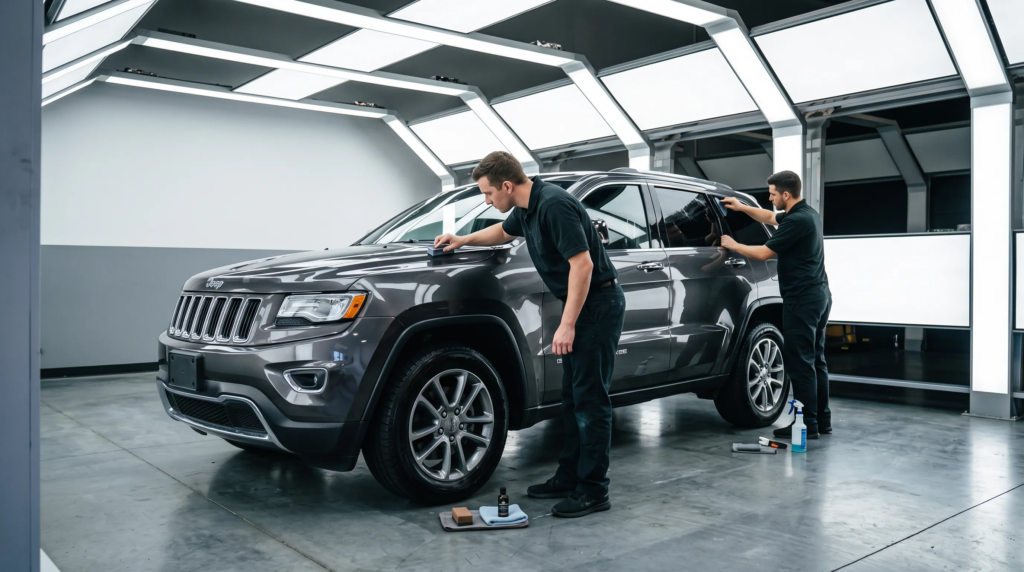
Together, they address two sides of the same vehicle.
Ceramic coating and window tint in Sandy Valley, NV serve different functions.
Let’s start with the exterior.
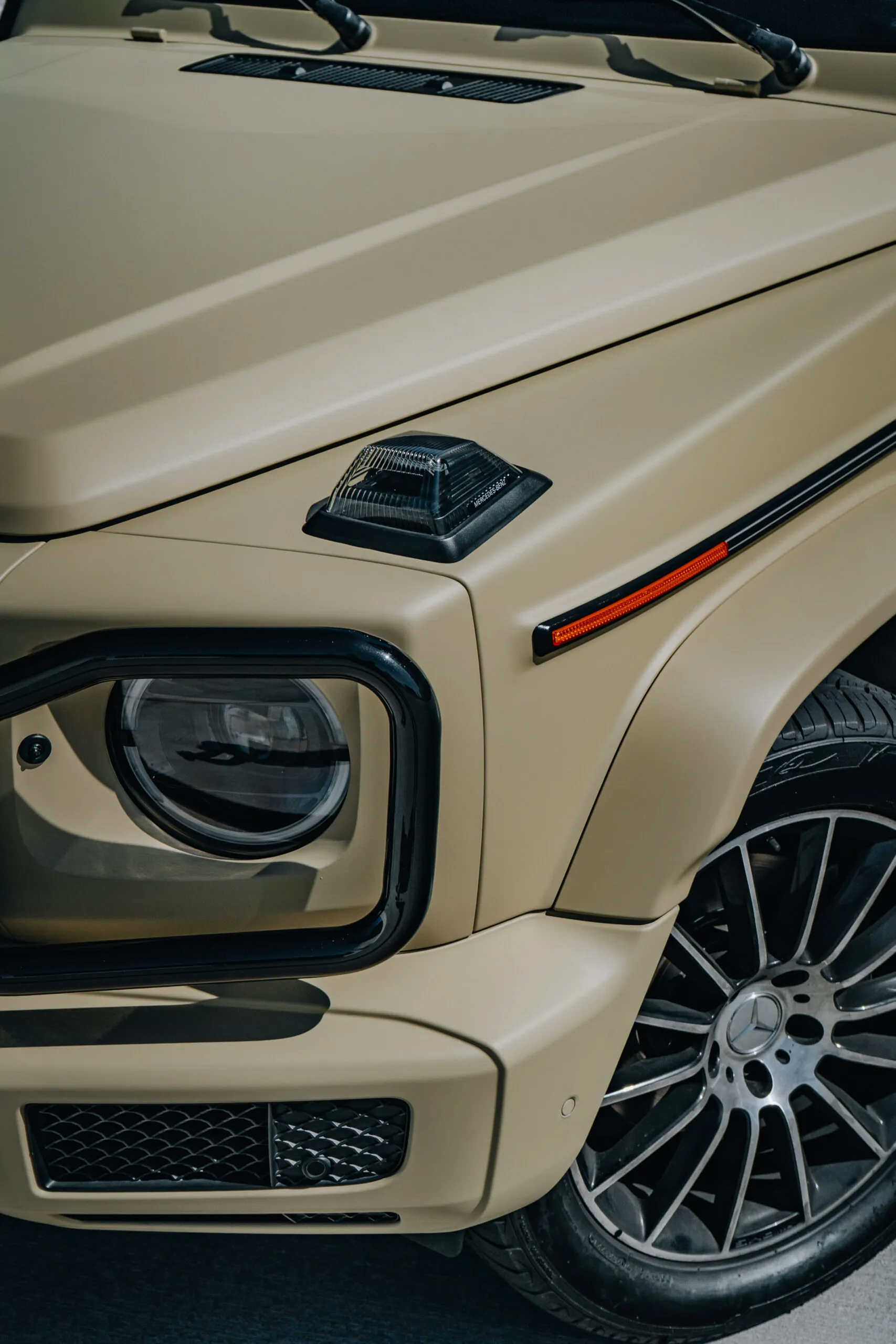
Ceramic coating is a liquid-applied protective treatment installed over compatible, properly prepared automotive surfaces.
After curing, it creates a layer that can help resist certain contaminants and make routine washing easier.
For many Sandy Valley vehicle owners, easier washing may be the most appealing benefit.
Dust collects on the hood, roof, doors, and rear bumper.
When you wash an untreated vehicle, some road grime may cling to the paint and require additional cleaning.
Ceramic Pro coatings are designed to create a hydrophobic surface.
That means water tends to bead rather than spread evenly.
The coating can help certain contaminants release more readily during a suitable wash.
But remember, ceramic coating doesn’t keep dust from landing on your vehicle.
It makes managing some of that contamination easier.
Your vehicle’s paint encounters more than dust.
Bug residue, bird droppings, water deposits, and other contaminants can collect on the exterior.
A professional coating provides an added barrier between certain substances and the factory clear coat.
That can help reduce staining and make cleanup less difficult when contamination is removed promptly.
Leaving residue on the vehicle for long periods can still damage the finish.
A properly installed ceramic coating can provide additional resistance to UV-related paint aging and oxidation.
It can also help maintain a glossy finish.
These benefits are appealing for owners who park outdoors or regularly travel under the bright Nevada sun.
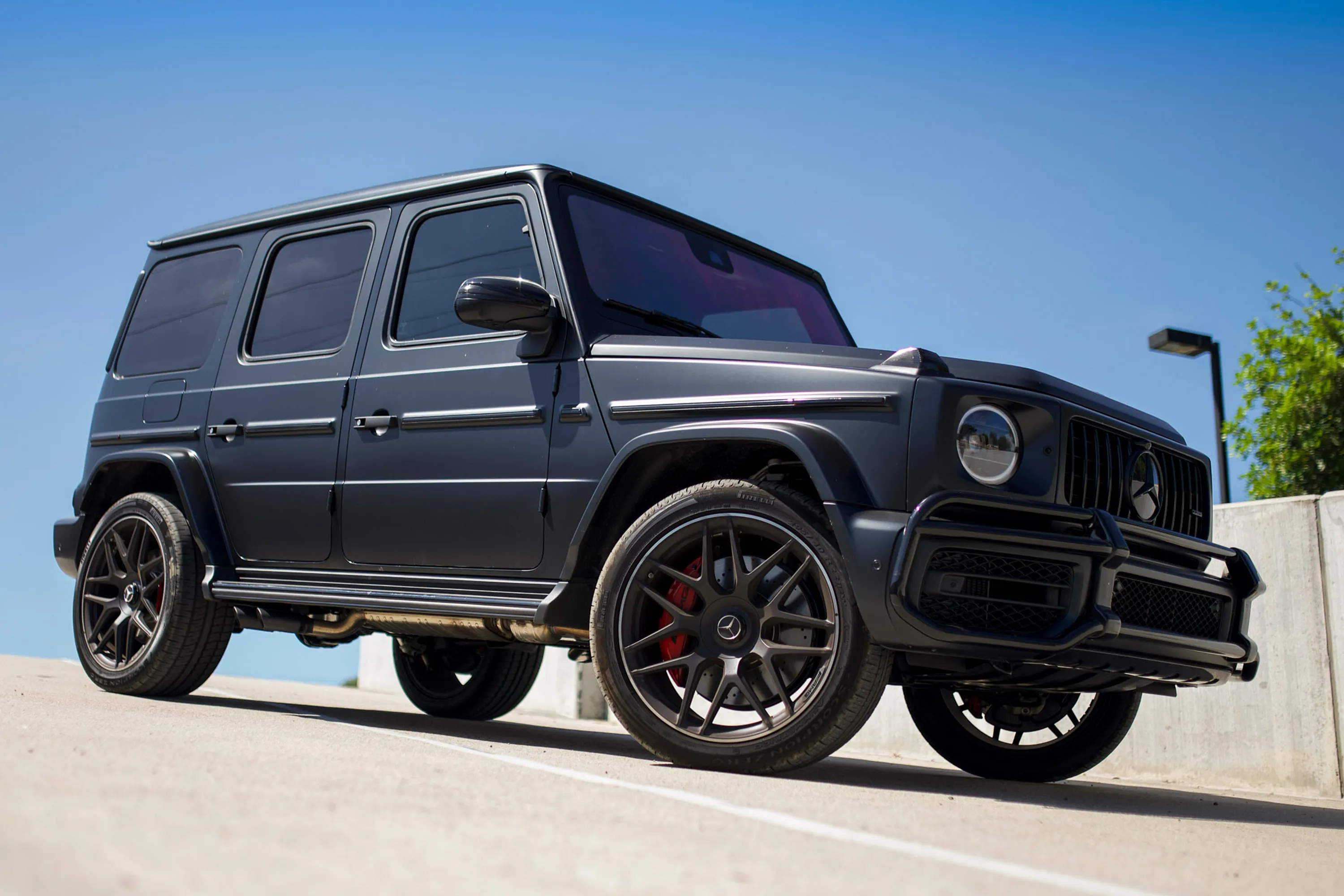
If you own a black SUV, white pickup, red sports car, or metallic sedan, you may appreciate how a professionally prepared coating makes the finish look.
The final appearance depends on the condition of the paint underneath.
Ceramic coating isn’t a replacement for repairing damaged paint.
Ceramic coating offers useful protection, but it’s not armor against every type of damage.
Knowing the limits is especially helpful when your vehicle spends time on rural roads.
Small stones can strike your bumper, hood, and fenders while traveling.
A ceramic coating is too thin to reliably prevent those impacts from chipping the paint.
If rock chips are a major concern, a physical protective film may be more suitable.
Our paint protection film services address that type of damage.
Ceramic coating cannot prevent every scratch caused by branches, tools, sharp objects, or incorrect washing.
It may offer resistance to certain light surface wear, but deep scratches can still reach the clear coat.
Use proper washing methods even after your vehicle has been coated.
Hydrophobic coatings cause water to bead, but water droplets can still evaporate and leave mineral deposits.
This is especially relevant if you wash your vehicle outdoors and allow it to air-dry.
Dry your vehicle properly after washing and avoid leaving sprinkler water on the paint.
If your vehicle has visible swirl marks or light scratches, those defects may need attention before coating.
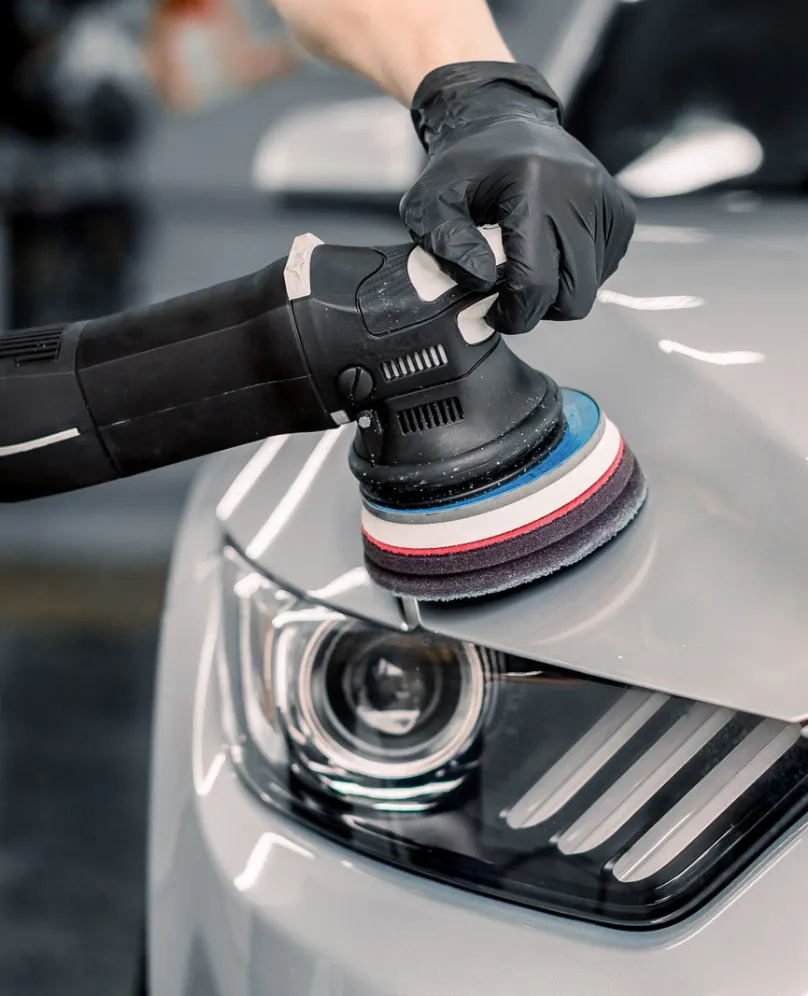
Our paint correction services can improve suitable clear-coat defects.
A professional inspection helps determine what preparation is needed.
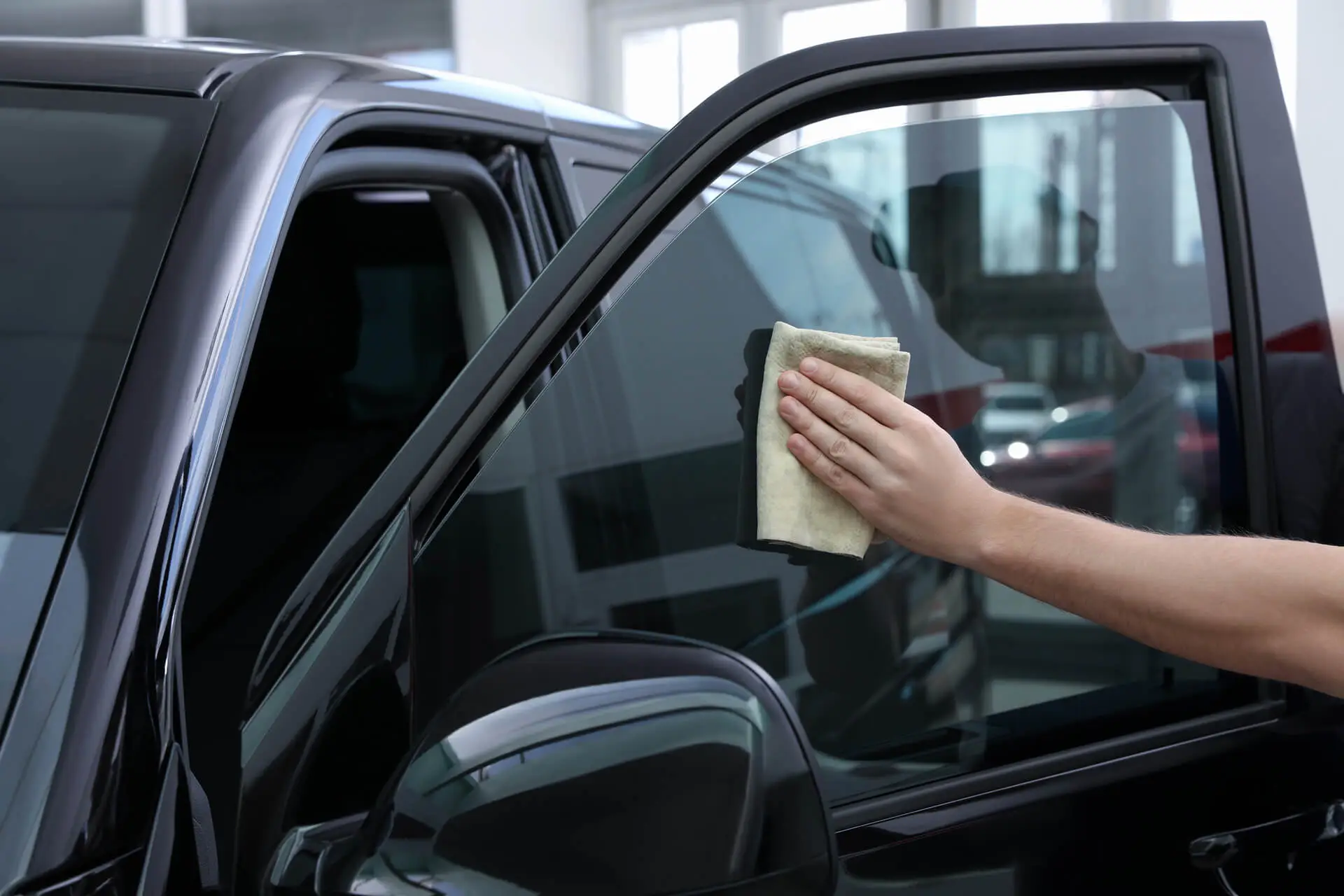
While ceramic coating focuses on the exterior, automotive window tint focuses on the glass.
Ceramic window films are designed to reduce sunlight, solar heat, glare, and UV radiation entering through compatible vehicle windows.
This can make a noticeable difference in how comfortable the cabin feels under direct sunlight.
When sunlight passes through your vehicle’s windows, it carries energy that can warm seats, trim, and other interior surfaces.
You may also feel warmth directly on your arms or legs.
Ceramic window film is designed to reduce portions of that incoming solar energy.
The amount of heat reduction depends on the selected film, its shade, the original glass, and testing conditions.
Window tint won’t keep a parked car cool indefinitely, but it can help reduce solar heat gain.
If you regularly travel between Sandy Valley, NV and Jean, NV, bright sunlight can become uncomfortable.
The sun may enter through your side windows depending on the time of day and your direction of travel.
Suitable window film reduces visible light and can help reduce glare.
The shade should still allow good outward visibility, especially after dark.
According to The Skin Cancer Foundation, untreated vehicle side windows may allow UVA radiation to pass through.
UV-protective window films can greatly reduce that exposure.
Ceramic Pro’s published window film specifications describe 99% UV protection for its current carbon and ceramic film lineup.
This can help protect occupants and slow some forms of sun-related interior fading.
Tint complements other sun-protection habits. It doesn’t replace protective clothing, sunglasses, or sunscreen.
Strong sunlight can contribute to fading and deterioration of upholstery, plastic trim, and other interior materials.
Ceramic window tint helps reduce UV radiation entering through the glass.
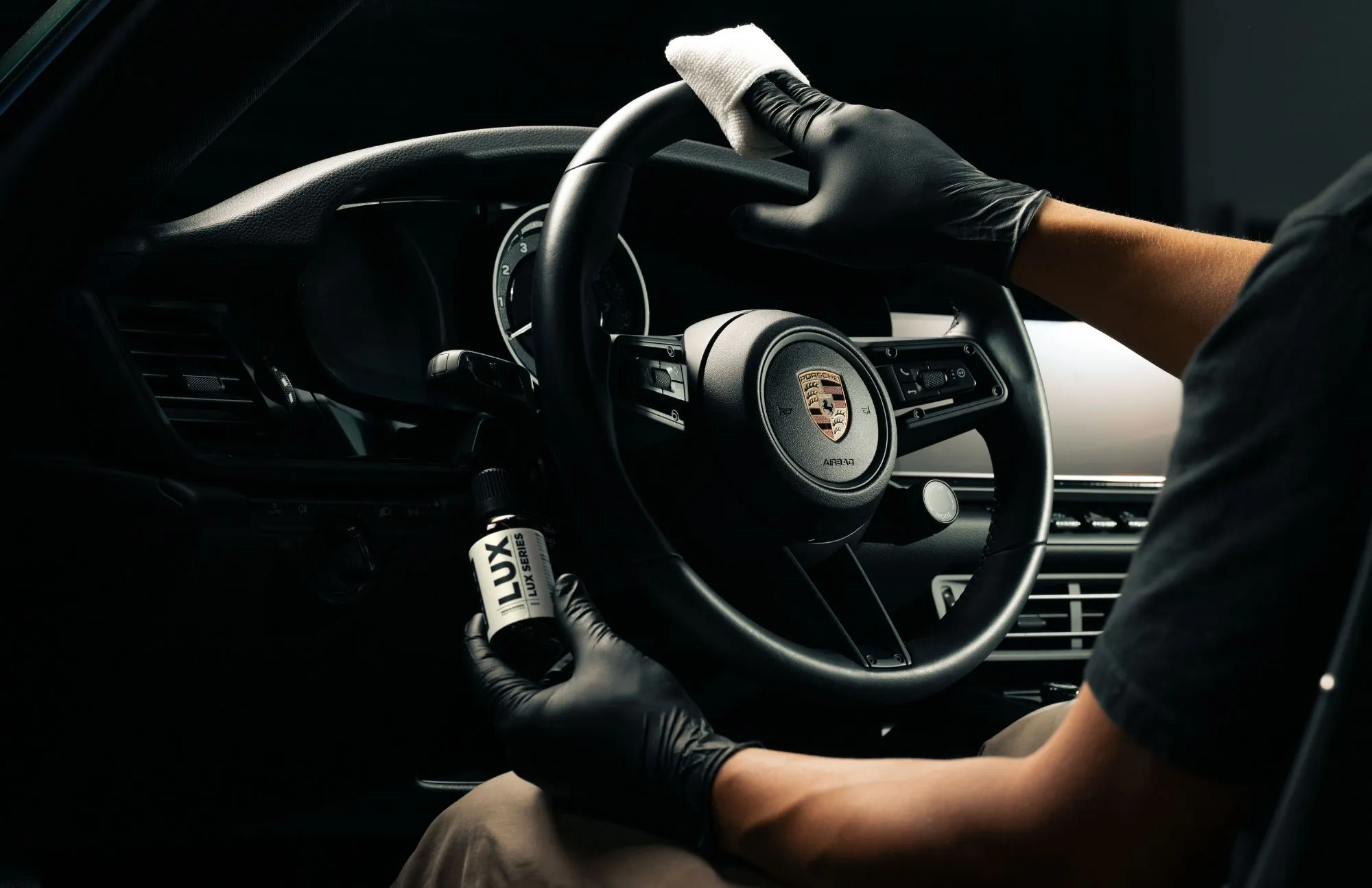
If you want additional protection on compatible leather and plastic surfaces, ask about our Ceramic Pro LUX Interior Ceramic Coating.
Interior coatings and window tint serve different purposes, but they can complement each other.
If you’re considering ceramic coating and window tint in Sandy Valley, NV, choosing the film matters as much as deciding to tint your vehicle.
Ceramic Pro offers several automotive window films.
Each uses a different construction and provides a different balance of appearance and solar performance.
Ceramic Pro Carbon X is a carbon-based window film.
It’s designed to offer UV protection, glare reduction, and a consistent dark appearance.
Carbon X isn’t a fully ceramic film.
It’s useful to compare with ceramic options when appearance and everyday solar protection are your main concerns.
Its nonmetallic construction is also designed to avoid the signal-interference concerns associated with certain metallic films.
Ceramic Pro Ceramic X combines ceramic and carbon film technology.
It offers infrared rejection, UV protection, and a dark appearance.
Ceramic X may appeal to owners who want ceramic technology for their daily commute while maintaining a clean, consistent window finish.
Ask the installer about available shades and how the product compares with Ceramic IR.
Ceramic Pro Ceramic IR uses nano-ceramic technology designed for stronger infrared rejection.
Infrared energy contributes to the warmth you feel through sunny vehicle glass.
For Sandy Valley residents who spend extended periods traveling under direct sunlight, Ceramic IR is worth comparing.
It offers different shade options, allowing owners to discuss appearance and heat control separately.
Ceramic Pro Ultimate IR is the highest infrared-rejection tier in the manufacturer’s current lineup.
Ceramic Pro advertises up to 99% infrared rejection under its specified test conditions.
That figure does not mean the film rejects 99% of all solar heat.
Ultimate IR can also be selected in lighter shades, making it appealing for owners who want stronger infrared control without extremely dark windows.
If you care mainly about a dark appearance and UV filtering, compare Carbon X and Ceramic X.
If reducing infrared heat is your biggest concern, discuss Ceramic IR and Ultimate IR.
The Ceramic Pro window tint comparison describes the manufacturer’s current products.
Our team can review your vehicle’s glass and help you select an appropriate film.
One of the biggest misunderstandings about window tint is that darker always means cooler.
That’s not necessarily true.
Visible light transmission and solar heat rejection are different measurements.
Visible Light Transmission, or VLT, measures how much visible light passes through a film or glass.
A lower VLT creates a darker appearance.
A higher VLT allows more visible light to pass through.
A film can have a lighter appearance while still rejecting a meaningful amount of infrared radiation.
That’s one reason modern ceramic films are appealing to vehicle owners who don’t want heavily darkened windows.
When comparing window films, ask about both infrared rejection and Total Solar Energy Rejected, or TSER.
Infrared rejection describes performance within a stated range of infrared radiation.
TSER is a broader measurement of overall solar energy rejection under specified test conditions.
These figures shouldn’t be treated as interchangeable.
Your installer can explain the published specifications and help you compare films tested under similar conditions.
A shade that looks good at noon may feel too dark after sunset.
This matters if you frequently travel rural roads where outdoor lighting may be limited.
You want to see other vehicles, pedestrians, animals, and road edges clearly.
Choosing a lighter shade for the front windows may be preferable, depending on your vehicle and legal requirements.
Privacy shouldn’t come at the expense of safe visibility.
Before installing automotive window tint, make sure your chosen film complies with Nevada law.
The relevant statute is Nevada Revised Statutes 484D.440.
Nevada generally requires the windows immediately beside the driver to be nonreflective and allow at least 35% total visible light transmission.
The law includes a tolerance of 7 percentage points.
The measurement applies to the combined factory glass and installed film.
That means film advertised at a certain VLT may produce a different finished reading once applied to your vehicle.
The statutory tolerance should not be treated as permission to deliberately select a noncompliant shade.
Nevada provides different rules for windows behind the driver when the vehicle has qualifying exterior mirrors on both sides.
Those mirrors must provide the required rearward view.
Check your vehicle’s configuration and the applicable requirements before choosing dark rear-window film.
Nevada restricts aftermarket materials that change windshield color or reduce light transmission, subject to statutory exceptions.
A qualifying upper windshield strip may be permitted if it meets the placement and color requirements.
A nearly clear film should not automatically be assumed legal across the entire windshield.
A professional installer should explain the rules before any windshield treatment is considered.
Ceramic coating and window tint in Sandy Valley, NV are often discussed together because they protect different parts of the same vehicle.
One helps care for the exterior paint.
The other helps reduce solar exposure through the glass.
Neither product performs the other’s job.
Ceramic coating provides a protective surface over suitable painted panels.
It can help with hydrophobic behavior, gloss, and resistance to certain environmental contaminants.
For Sandy Valley residents who regularly encounter dust, the easier-washing benefit can be appealing.
Window tint addresses sunlight entering through treated windows.
It can reduce solar heat, visible glare, and UV transmission.
That’s useful for longer trips between Sandy Valley, NV and the larger Las Vegas Valley.
Imagine a vehicle parked outside your home.
Ceramic coating can help care for the paint when dust and other contaminants settle on it.
Ceramic window film can reduce part of the solar energy entering the cabin.
The car can still become dirty and hot, but both treatments can help with the concerns they’re designed to address.
Ceramic coating can make some cleaning tasks easier.
Window tint generally requires only proper glass care once it has cured.
Neither eliminates routine maintenance.
You’ll still need to wash your vehicle, check its glass, and remove contamination.
The difference is that the right protective products can make some of those tasks less demanding.
Different vehicles encounter different conditions around Sandy Valley, NV.
The right protection plan should reflect how yours is used.
Pickup trucks may travel between rural properties, worksites, and paved roads.
Dust can build up on large hoods, roofs, and tailgates.
Ceramic coating can make cleaning compatible painted panels easier.
Ceramic window tint can help reduce the sunlight entering the cab during long trips.
If the truck regularly encounters gravel, consider asking about PPF for the painted front end and lower body panels.
SUVs may have additional passenger windows and large rear glass areas.
If you frequently travel with family, window film coverage for rear passengers may be worth discussing.
Ceramic coating can help simplify washing a larger exterior.
The installer should review the original factory privacy glass before choosing film for the rear windows.
If you regularly travel toward Las Vegas, NV for work or appointments, your sedan may spend considerable time in the sun.
Ceramic IR or Ultimate IR may be worth considering if solar heat is a major concern.
A ceramic coating can help maintain the paint through repeated dust exposure and washing.
Owners of luxury and performance vehicles may care about maintaining gloss and a clean exterior appearance.
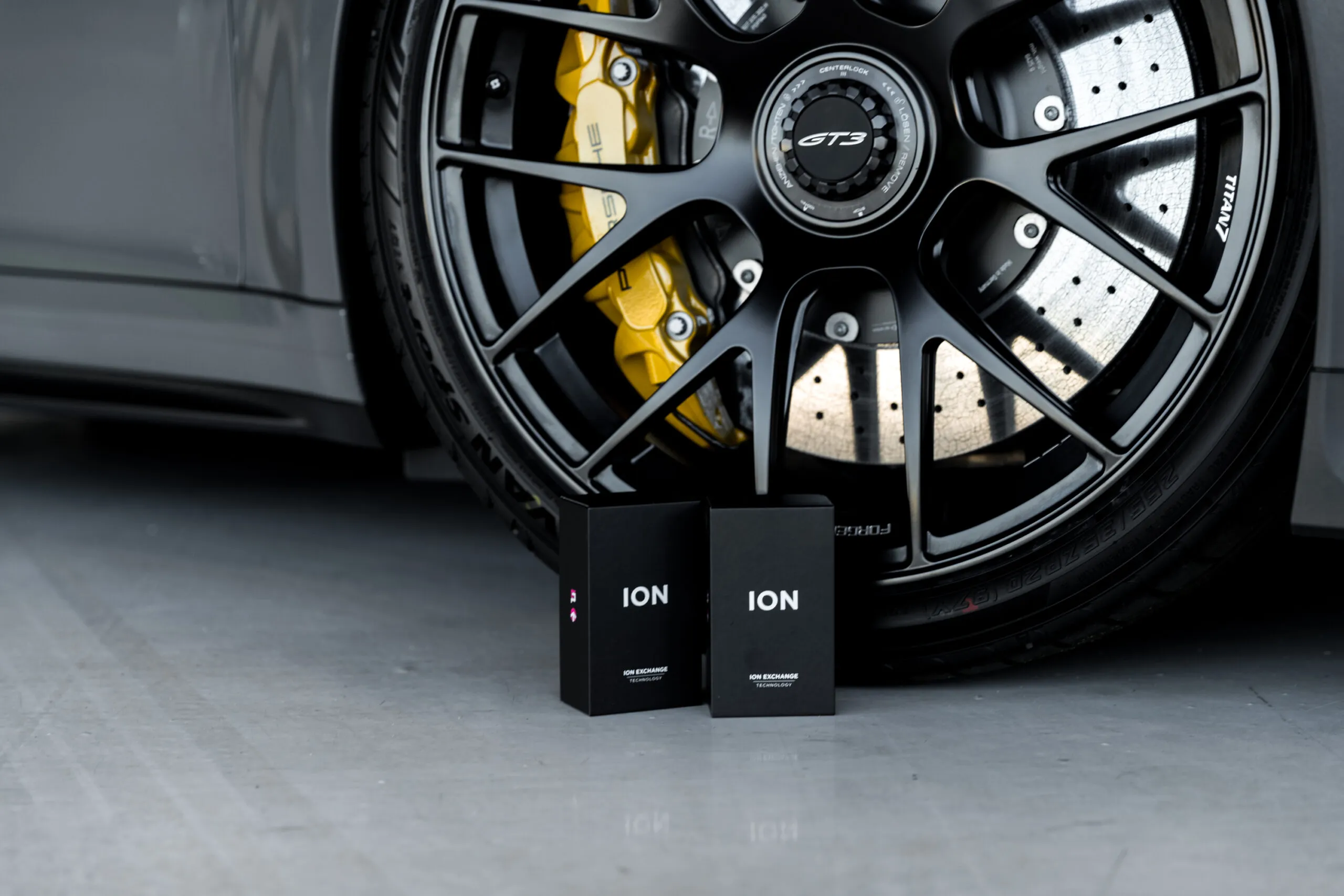
Ceramic Pro ION is designed to provide water-repelling behavior and protection against certain contaminants.
Ceramic window tint offers additional UV filtering and solar heat rejection.
Some specialty paint finishes or unusual glass panels require compatibility checks before treatment.
Tesla owners may want to discuss ceramic tint for the side windows and larger rear glass areas.
Our Tesla window tinting services address model-specific considerations.
We also provide Tesla ceramic coating for compatible exterior finishes.
Large glass roofs and manufacturer-specific treatments should be reviewed before any aftermarket film is applied.
One question worth asking is whether ceramic coating alone provides enough exterior protection.
That depends on the kind of damage you’re trying to reduce.
Ceramic coating helps with:
These benefits are useful when your main concern is dust and regular washing.
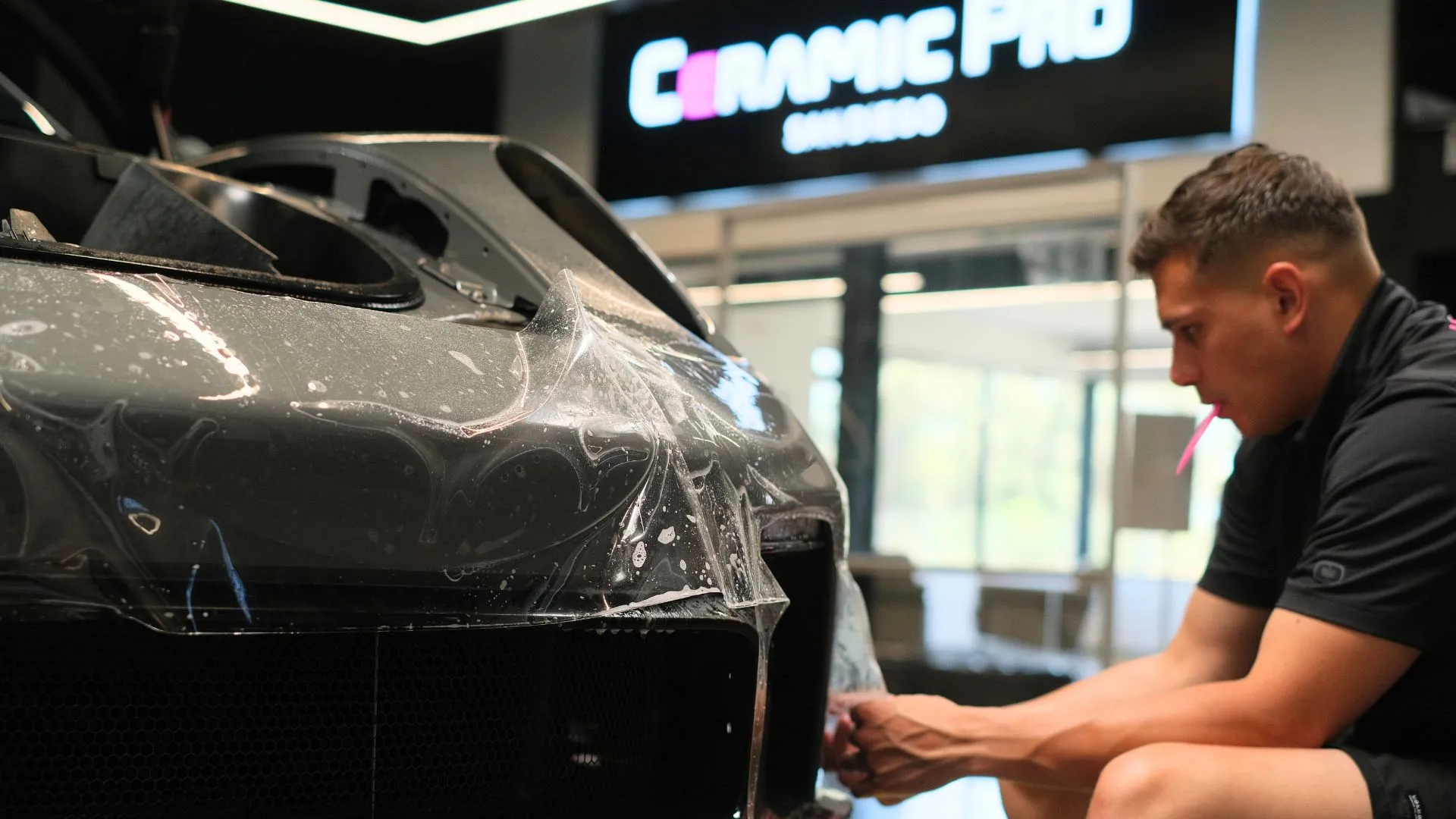
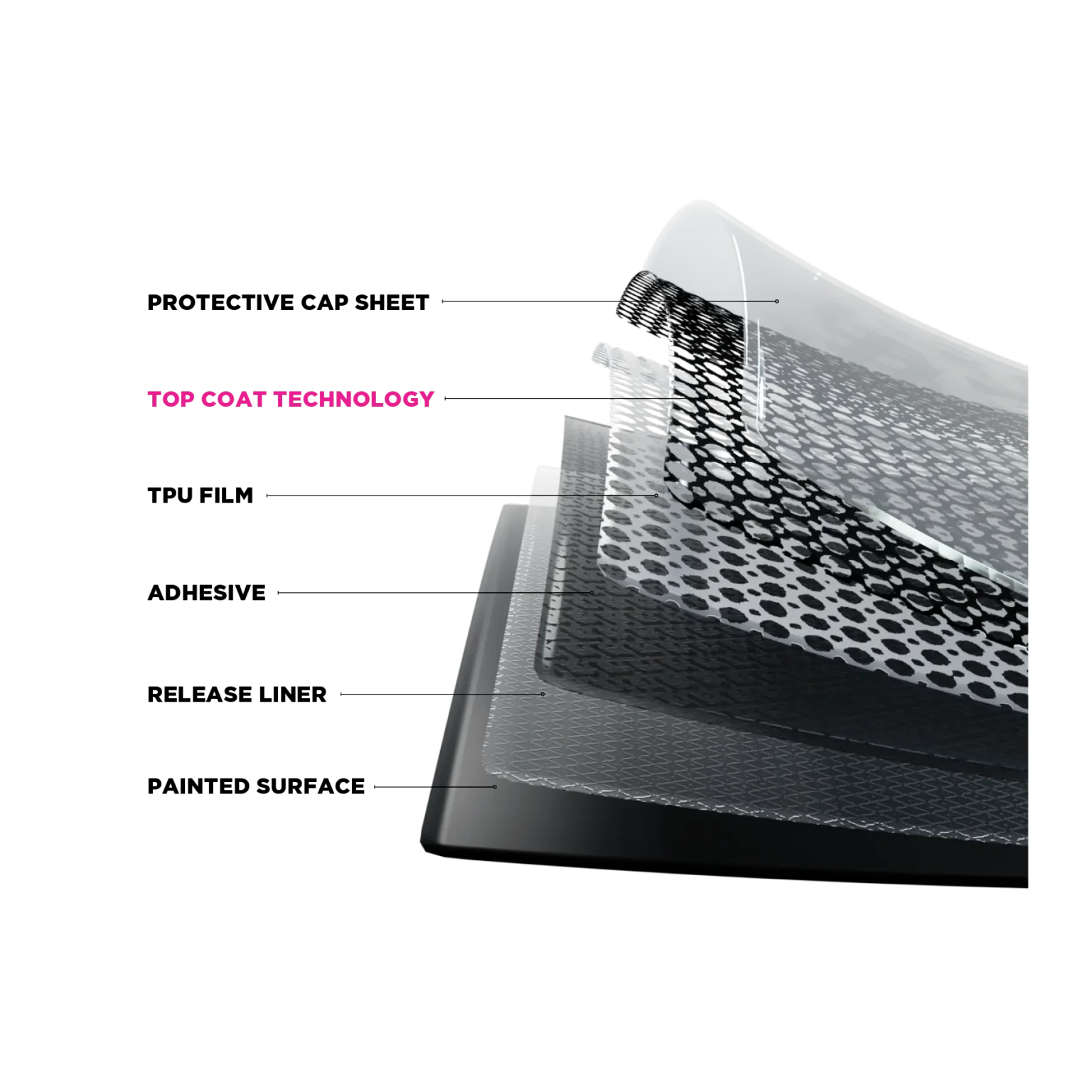
Paint protection film is a thicker transparent material applied to compatible painted surfaces.
It’s designed to help protect against certain stone impacts, scratches, and road debris.
If your vehicle regularly encounters flying gravel, PPF may be worth discussing for the bumper, hood, fenders, and mirrors.
Our Ceramic Pro Paint Protection Film service includes different coverage options.
Yes, when the products and treated surfaces are compatible.
One approach is to protect vulnerable painted panels with PPF, use ceramic coating for easier exterior maintenance, and install ceramic window film for cabin comfort.
Ceramic Pro Las Vegas also offers Ceramic Pro Ultimate Armor for customers interested in combining exterior protection technologies.
The installation sequence should follow the manufacturer requirements for the selected products.
Professional installation begins with inspecting your vehicle.
That inspection helps determine whether the paint and glass are suitable for the treatments you want.
Before coating, the technician checks for scratches, chips, stains, and other paint defects.
A new vehicle may need relatively little correction.
A used vehicle may have swirl marks or surface defects that should be addressed first.
Ceramic coating won’t repair missing paint.
The vehicle is thoroughly cleaned and decontaminated before coating.
If suitable paint correction is needed, it may be completed before application.
This helps create a properly prepared surface.
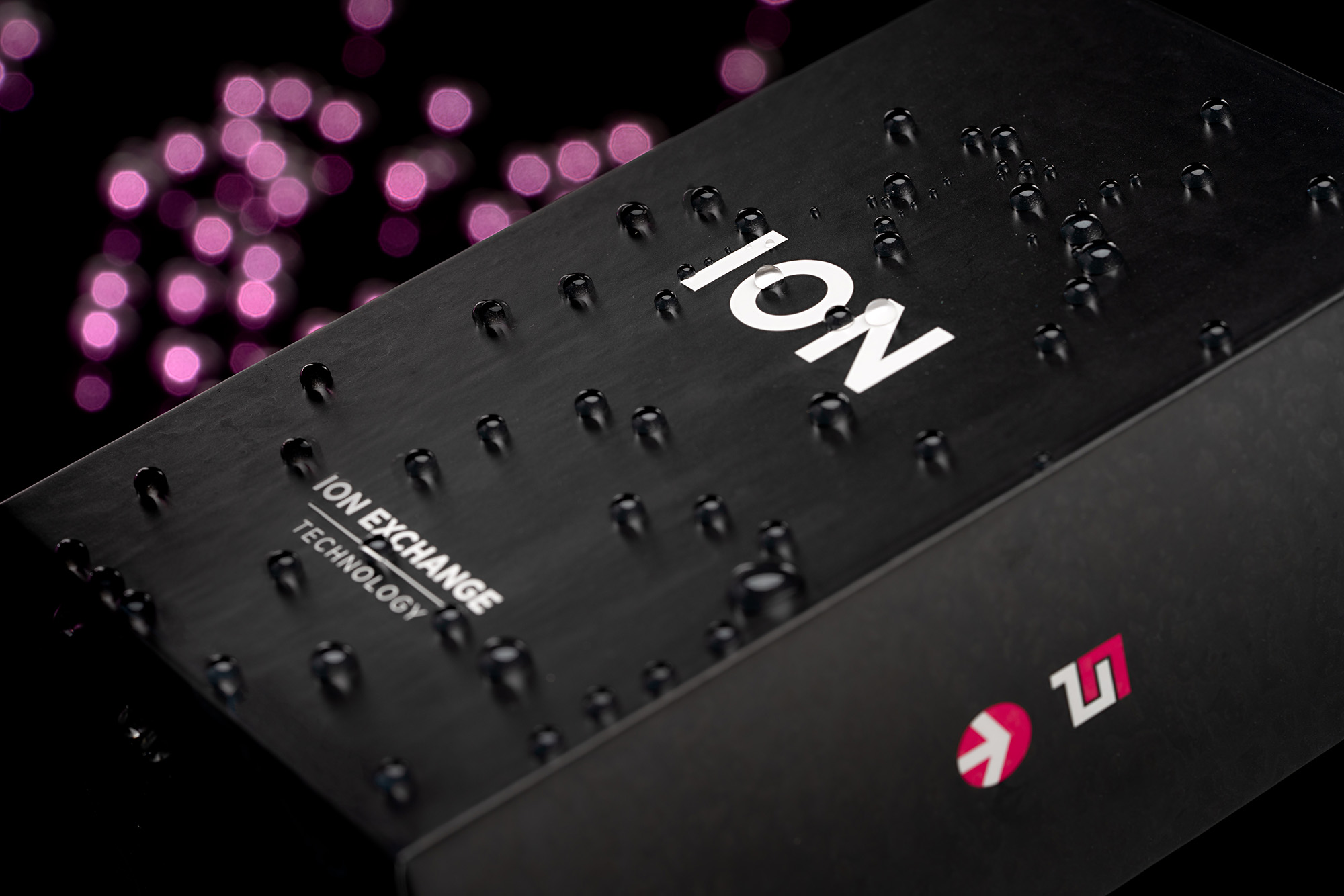
Our Ceramic Pro ION service uses the manufacturer’s two-stage system.
According to Ceramic Pro’s ION documentation, the process begins with ION Base and continues with ION Top Coat.
The system is designed to provide strong bonding, chemical resistance, and hydrophobic properties.
The coating requires time to cure after installation.
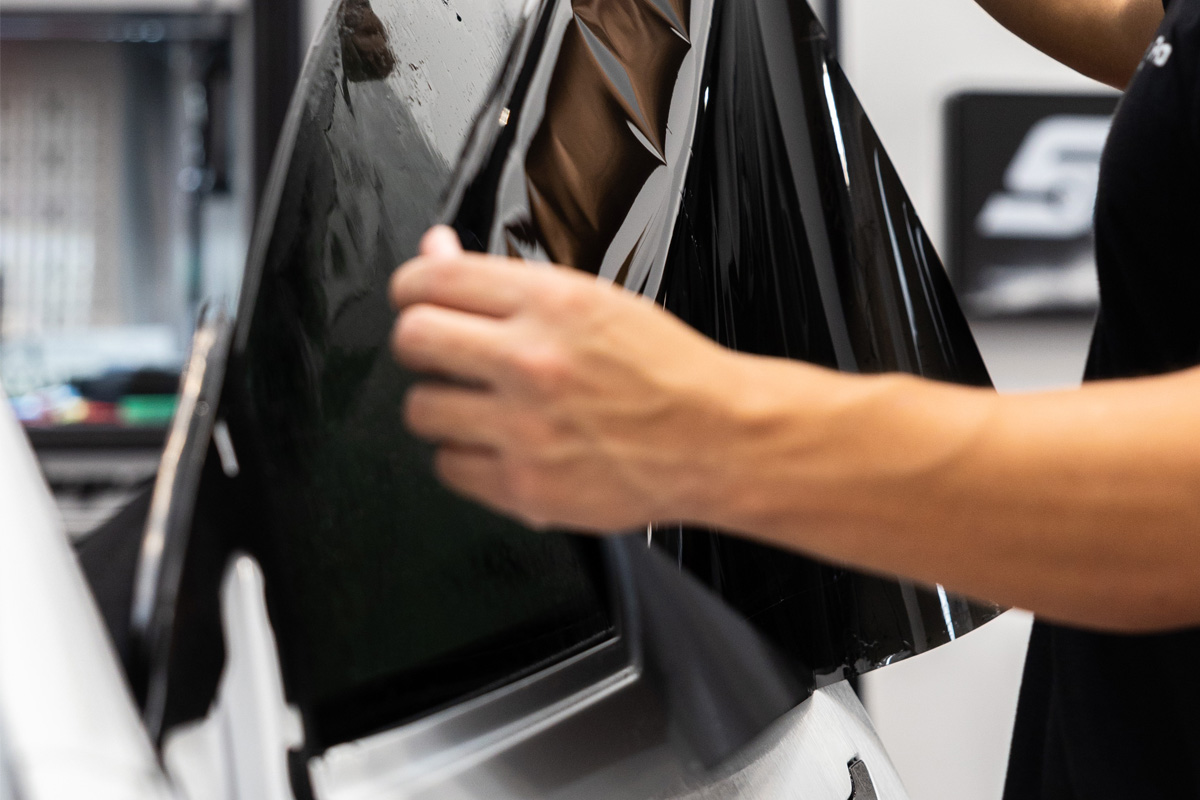
Window tinting involves inspecting and cleaning the glass, preparing film, and carefully fitting it to the windows.
Curved rear glass and unusual window designs may require additional preparation.
The installer should confirm the selected film shades and legal requirements before application.
Ceramic Pro offers warranty-backed coating packages and qualifying window films.
Coverage depends on the product and applicable written conditions.
Before collecting your vehicle, ask about curing periods, cleaning restrictions, and required maintenance.
If you’re combining services, confirm the appointment schedule with our team.
Proper aftercare matters because both coatings and tint need time to settle after installation.
Desert dust can also make regular cleaning more demanding.
According to Ceramic Pro’s Coating Aftercare Guide, coating packages may require approximately two to three weeks to cure, depending on environmental conditions.
The manufacturer advises against washing a newly coated vehicle for at least two weeks after delivery.
During that period, avoid unnecessary exposure to moisture and contamination.
If something lands on the surface, contact your installer for guidance rather than using an unapproved cleaner.
Once the initial curing restrictions have passed, wash with approved products.
For a dusty vehicle:
Ceramic Pro recommends regular hand washing and avoiding automatic brush-style car washes.
A coating is most useful when maintained correctly.
According to Ceramic Pro’s Window Tint Aftercare Guide, newly tinted windows should generally remain closed for three to five days.
The film may take one to four weeks to cure completely, depending on conditions.
Temporary haze or moisture pockets may appear during that time.
Do not press against the film or attempt to remove trapped moisture.
Ceramic Pro advises waiting at least seven days before cleaning newly installed KAVACA window tint.
The manufacturer also warns against ammonia- and alcohol-based glass cleaners on its films.
Use approved products and clean microfiber towels.
Be careful around window seals where desert dust can collect.
If you’re unsure whether a cleaner is suitable, ask your installer before using it.
If you’re considering ceramic coating and window tint in Sandy Valley, NV, selecting a certified installer and planning the appointment around your travel schedule can make the process easier.
Ceramic Pro Las Vegas serves Sandy Valley customers from our installation facility in Las Vegas, NV.
You can also review our Sandy Valley service area information to learn more about our vehicle protection services.
Sandy Valley Road connects the community with State Route 161.
The route toward Jean, NV provides access to I-15 and the wider Las Vegas Valley.
Clark County also maintains a Sandy Valley Road project information page.
Before traveling to an appointment, check current road conditions and confirm the vehicle drop-off arrangements.
Our installation facility is located at:
8540 Dean Martin Dr., Suite 170, Las Vegas, NV 89139
When you contact Ceramic Pro Las Vegas, share a few details about your vehicle.
Tell us the year, make, and model, whether it has old window tint, and if the paint has scratches or water spots.
Explain whether your vehicle is usually parked outdoors, travels dirt roads, or spends extended periods on highways.
If you’re interested in both services, mention that you want to compare ceramic coating and window tint options.
Our team can discuss suitable film shades, coating packages, vehicle preparation, and scheduling.
Ceramic Pro Las Vegas is an official Ceramic Pro Elite Dealer.
Our certified team offers Ceramic Pro ION coatings and professional Ceramic Pro window films.
We can help you compare products, discuss their limitations, review applicable warranty terms, and plan an installation based on your vehicle.
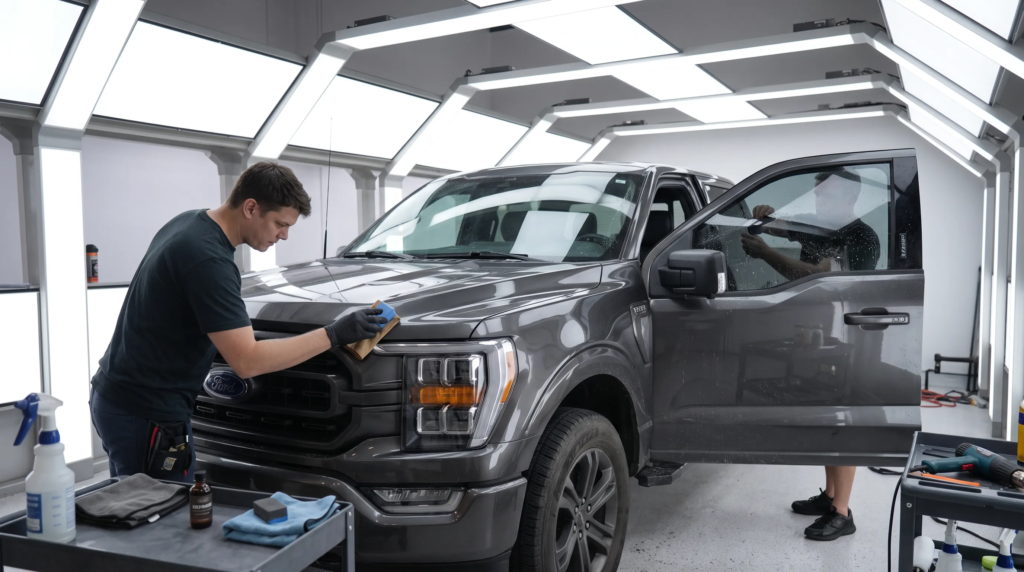
If rock-chip protection or existing paint defects are also concerns, ask about PPF and paint correction during the same conversation.
Ceramic coating is worth considering if your vehicle regularly collects desert dust and you want to make washing easier. A professional coating can provide hydrophobic properties, gloss, and resistance to certain environmental contaminants. It won’t keep dust from settling or prevent all scratches and rock chips, but it can support easier exterior maintenance when you follow proper care instructions.
Ceramic window tint can reduce solar energy entering through treated vehicle glass, helping improve cabin comfort under direct sunlight. Films such as Ceramic Pro Ceramic IR and Ultimate IR are designed for stronger infrared rejection. Window tint won’t stop a parked vehicle from becoming hot, and it should never be relied on to make an unattended vehicle safe for children or pets.
Ceramic coating does not reliably prevent rock chips. It is a thin protective treatment intended mainly for surface care and resistance to certain contaminants. Paint protection film provides a thicker physical barrier against some impacts and scratches. If you frequently encounter loose stones on rural roads, ask about combining PPF with a compatible ceramic coating.
Ceramic Pro Ultimate IR is the manufacturer’s highest infrared-rejection tier, while Ceramic IR also offers strong infrared performance. Ceramic X is another option using ceramic and carbon technology. The right film depends on your vehicle, preferred appearance, shade requirements, and comfort goals. Compare the published specifications rather than selecting a product solely by darkness.
These services can be planned together, depending on your vehicle’s condition and the shop’s installation schedule. Ceramic coating may require paint preparation or correction before application, while tint installation involves glass preparation and film fitting. Contact Ceramic Pro Las Vegas to discuss both services and confirm how much time your vehicle will need at the shop.
Rinse loose dust from coated paint before washing, use approved automotive shampoo, and avoid automatic brush car washes. Newly applied ceramic coatings and window films also have separate curing restrictions. For tint, Ceramic Pro recommends keeping the windows closed for three to five days and waiting at least seven days before cleaning. Follow the instructions supplied for your specific products.
Ceramic Pro Las Vegas provides professional ceramic coating and window tint installation at 8540 Dean Martin Dr., Suite 170, Las Vegas, NV 89139. Our shop serves vehicle owners from Sandy Valley, NV and surrounding Southern Nevada communities. Call (702) 943-8877 or visit our contact page to request a quote and schedule an appointment.
Living in Sandy Valley, NV means enjoying the open desert, but your vehicle still faces plenty of sunshine, dust, and road contamination.
Ceramic coating and window tint in Sandy Valley, NV give you two ways to address those conditions.
Ceramic coating helps care for your exterior paint and makes certain cleaning tasks easier.
Ceramic window tint helps reduce solar heat, glare, and UV exposure through suitable vehicle glass.
And if gravel or rock chips are a concern, paint protection film may offer another layer of physical protection.
At Ceramic Pro Las Vegas, our certified team can review your vehicle and help you compare Ceramic Pro ION, Ceramic X, Ceramic IR, Ultimate IR, and other available protection options.
As an official Ceramic Pro Elite Dealer, we provide professional installation and applicable warranty-backed services.
Ready to protect your vehicle inside and out?
Call Ceramic Pro Las Vegas at (702) 943-8877 to discuss ceramic coating and window tint for your car, truck, or SUV.
You can also request a quote and schedule an appointment through our contact page.
Ceramic Pro Las Vegas
8540 Dean Martin Dr., Suite 170
Las Vegas, NV 89139
Business Hours: Monday through Friday, 9 AM to 6 PM
Website: https://ceramicprolv.com
Get professional Ceramic Pro protection selected for the desert conditions and everyday travel you experience around Sandy Valley, NV.
The following manufacturer, government, medical education, and local business sources support the information about Sandy Valley geography, desert weather, ceramic coating, window tint, Nevada regulations, and aftercare.
Tell us about your vehicle, daily driving, and goals so we can recommend the best package for protection and style. Share the services you want to compare, such as paint protection film, ceramic coating, window tint, vinyl wrap, or paint correction. Include your timeline and any photos that show panels, glass, or problem areas. The more details you provide, the more precise our estimate and scheduling will be.
Explore the many services we offer by clicking the boxes below