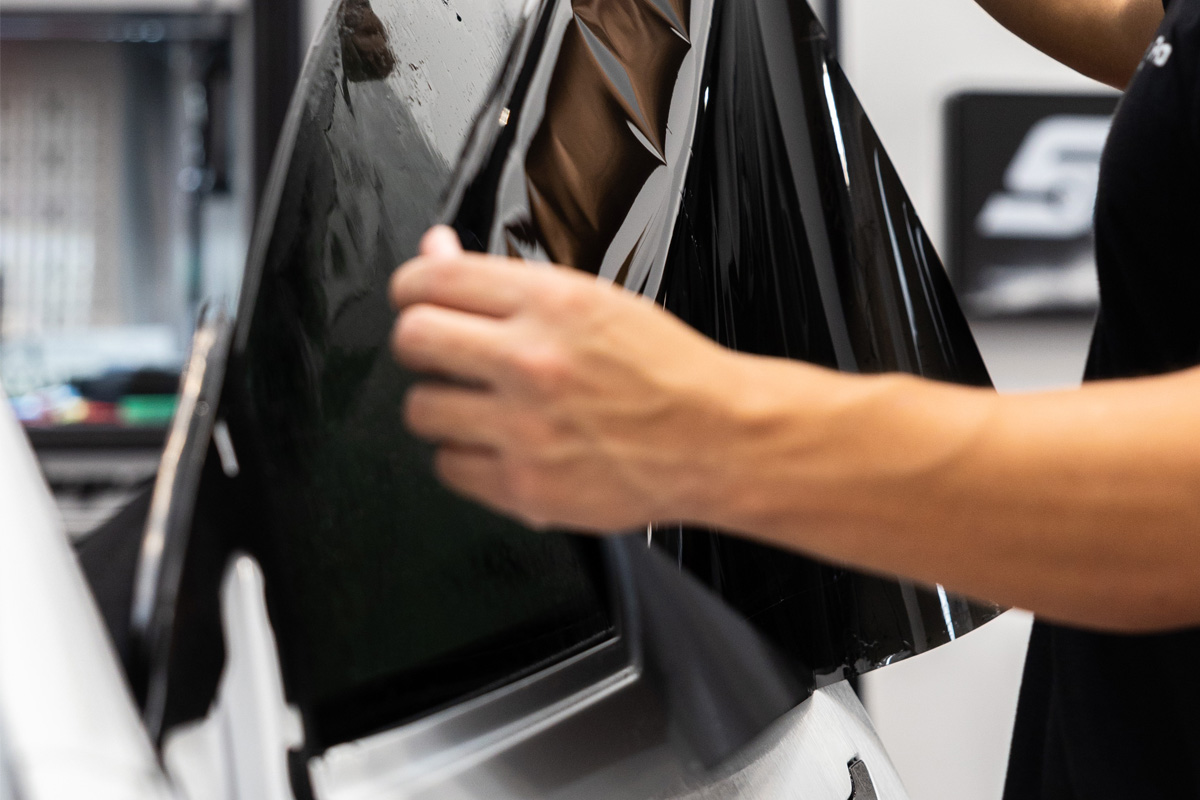

Car window tint in Green Valley, Henderson, NV can make a noticeable difference when your daily commute involves desert heat, bright sunlight, and long stretches of exposed pavement. Whether you travel along Green Valley Parkway, take the I-215 Beltway to work, or spend your afternoons running errands near The District at Green Valley Ranch, keeping your vehicle comfortable starts with choosing the right window film.
Many vehicle owners assume that darker tint means better heat protection. The type of film you choose often matters more than its shade. Ceramic window tint can reject infrared energy while maintaining a lighter appearance, making it a practical choice for Southern Nevada motorists.
At Ceramic Pro Las Vegas, we install Ceramic Pro window films designed to help reduce solar heat, filter UV rays, and improve cabin comfort. As a certified Ceramic Pro Elite Dealer, we help vehicle owners select film based on their daily routines, visibility preferences, and vehicle’s glass.
Here is what you should know before choosing ceramic window tint for your desert commute.
Living in Green Valley means spending plenty of time under the Nevada sun. Even a short trip to the grocery store can leave your vehicle feeling uncomfortable when you return to the parking lot.
According to the National Weather Service Las Vegas temperature records, the region’s normal July daily high temperature is 104.5°F, using climate data from 1991 through 2020.
Your vehicle faces more than hot outdoor air. Sunlight passes through the windows and warms interior surfaces, including your dashboard, seats, center console, and door panels. Those surfaces can continue radiating heat even after you turn on the air conditioning.
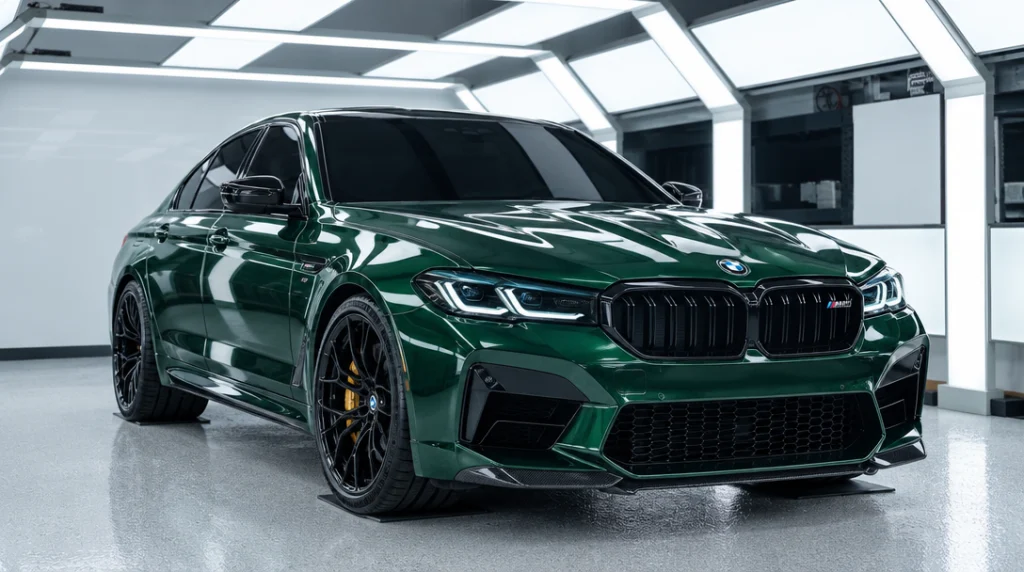
Car window tint in Green Valley helps address part of this problem by reducing the solar energy entering through treated glass.
Your commute may expose different sides of your vehicle to direct sunlight throughout the day.
Morning sunlight can create glare while traveling east. Afternoon sunlight can make westbound trips uncomfortable, especially during summer.
Ceramic window film helps reduce solar heat and, depending on the shade selected, can soften bright sunlight entering through your side windows.
Not everyone has access to covered parking.
If your vehicle sits outside while you work, shop, or attend appointments around Henderson, NV, sunlight can warm the cabin for hours.
Window tint cannot prevent every source of heat, but it can reduce solar energy entering through the treated windows.
Pairing ceramic film with shaded parking, a windshield sunshade, and proper ventilation can make returning to your vehicle more comfortable.
Ceramic window tint contains tiny ceramic materials that help manage solar radiation without relying on a metallic film construction.
Unlike films selected mainly for their dark appearance, ceramic films are designed with heat control in mind.
Understanding three common window film measurements can help you choose the right product.
Visible light transmission measures how much visible light passes through a film or window.
A lower VLT percentage means less visible light passes through, producing a darker appearance. A higher percentage allows more light through.
Infrared radiation contributes to the warmth you feel when sunlight reaches your skin and vehicle interior.
Ceramic films are designed to reduce infrared energy passing through treated windows.
An infrared rejection percentage describes performance within a tested wavelength range. It does not represent the percentage of all solar heat blocked by the film.
Total solar energy rejected measures how much incoming solar energy a film and glass system rejects.
When comparing films for cabin comfort, look at TSER alongside infrared rejection and VLT.
| Measurement | What It Measures |
|---|---|
| VLT | Visible light passing through the glass or film |
| IR rejection | Infrared energy rejected within a tested range |
| UV rejection | Ultraviolet radiation filtered |
| TSER | Overall solar energy rejected |
These measurements help explain why car window tint in Green Valley should be selected for performance rather than darkness alone.
Our automotive window tinting services include several Ceramic Pro film options for different comfort and appearance preferences.
One of the main reasons Green Valley residents choose ceramic film is the ability to reduce solar heat entering the cabin.
If you spend your afternoons commuting between Henderson, NV and Las Vegas, NV, less radiant heat through your windows can make the trip more comfortable.
Your air conditioning still does the work of cooling the cabin, but ceramic film can help reduce part of the incoming heat load.
The sun affects more than cabin temperature.
According to The Skin Cancer Foundation, UVA radiation can pass through automotive window glass, contributing to cumulative skin damage.
UV-filtering window film can reduce exposure through treated glass as part of a broader sun protection routine.
Ceramic Pro window films offer high UV rejection, helping protect occupants while slowing sunlight-related wear on interior materials.
Repeated sun exposure can contribute to fading and deterioration of interior materials.
Areas that may benefit from reduced UV exposure include:
Window tint cannot stop every form of interior aging, but it can help reduce one of the contributing factors.
Bright sunlight reflecting from pavement, buildings, and surrounding vehicles can become distracting.
Choosing an appropriate tint shade can reduce the amount of visible light entering through your windows.
Keep in mind that darker shades also reduce available light at night. A suitable film balances daytime comfort with outward visibility.
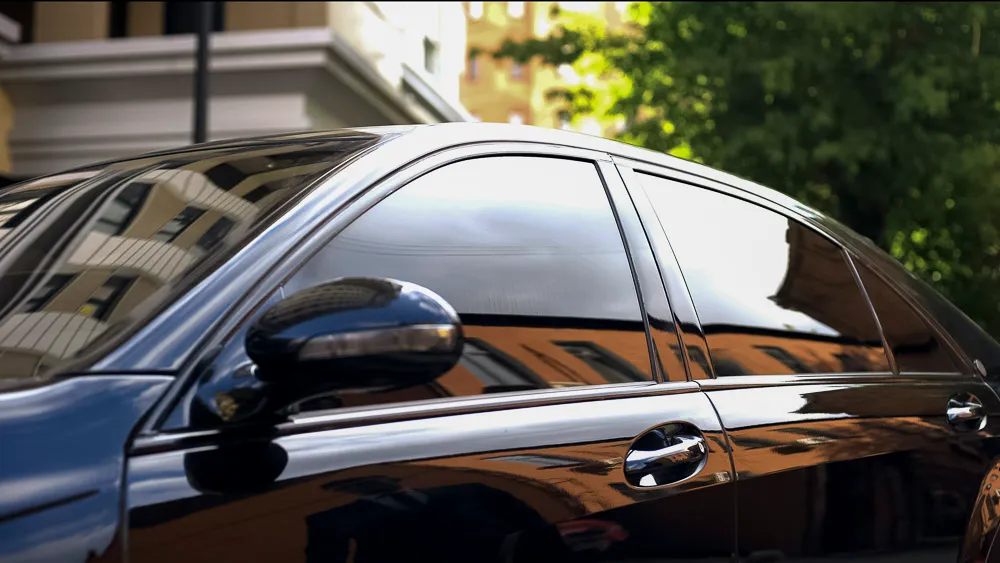
Window tint can make it harder for people outside your vehicle to see inside during daylight hours.
This can be helpful when transporting family members or parking around busy shopping centers.
Tint does not make a vehicle theft-proof, so belongings should still be removed from view when parking.
Not every vehicle owner needs the same window film.
Some people want better heat control while keeping their windows relatively light. Others want more privacy for rear passengers or a darker exterior appearance.
At Ceramic Pro Las Vegas, we offer multiple film options to suit these preferences.
Ceramic Pro Carbon CS window tint is an option for motorists interested in glare reduction, UV filtering, privacy, and a consistent appearance.
Its non-metal construction makes it suitable for vehicles with modern electronic equipment.
Carbon CS is worth comparing if your main concerns involve appearance and visible sunlight rather than the highest available infrared rejection.
Ceramic Pro Carbon X window tint offers a heat-focused alternative to conventional carbon film.
It can suit commuters who want added infrared control alongside privacy and a darker appearance.
Ceramic Pro Ceramic X window tint is designed for vehicle owners interested in ceramic film technology, glare control, UV filtering, and added cabin comfort.
It is worth comparing if you regularly commute during warm afternoon hours or spend time in stop-and-go traffic.
Ceramic Pro Ceramic IR window tint is designed to address infrared heat entering through automotive glass.
Ceramic Pro reports infrared rejection of up to 96% under its stated testing conditions.
This film is worth considering for vehicles that spend extended periods traveling or parked in sunny conditions.
Ceramic Pro Ultimate IR window tint is Ceramic Pro’s highest heat-focused window film tier.
The manufacturer reports infrared rejection of up to 99%, with strong infrared performance available across lighter shades.
This makes Ultimate IR worth comparing if you want heat reduction without choosing an excessively dark film.
These infrared figures are manufacturer-reported test measurements, not guaranteed reductions in cabin temperature.
| Window Film | Main Focus | Suitable For |
|---|---|---|
| Carbon CS | Appearance, UV filtering, and glare reduction | Everyday vehicle use |
| Carbon X | Carbon film with added infrared control | Regular commuting |
| Ceramic X | Ceramic heat-control technology | Motorists seeking added comfort |
| Ceramic IR | Up to 96% infrared rejection | Extended desert commutes |
| Ultimate IR | Up to 99% infrared rejection | Heat-focused vehicle protection |
You can learn more about the manufacturer’s film range through the official Ceramic Pro window tint product information.
When choosing car window tint in Green Valley, compare films at similar VLT levels to get a more meaningful view of their performance.
Before selecting a window tint shade, make sure your planned installation follows Nevada’s vehicle equipment laws.
The state’s window tint requirements are outlined in Nevada Revised Statutes NRS 484D.440.
Nevada generally requires the windows immediately beside the driver to be nonreflective and have at least 35% combined light transmission, subject to a statutory tolerance of 7%.
The combined measurement includes the original vehicle glass and any installed window film.
This distinction matters because a film labeled 35% VLT may produce a lower reading once applied to factory glass.
We recommend measuring your existing glass before selecting a film rather than relying on the statutory tolerance.
Nevada allows more flexibility for windows behind the driver when the vehicle has outside mirrors on both sides that provide the required rearward visibility.
This gives many vehicle owners additional shade choices for rear passenger windows and rear glass.
Visibility should still guide your decision, especially if you frequently travel at night.
Nevada generally restricts aftermarket material that changes windshield color or light transmission.
A strip at the top of the windshield may qualify for an exception if it meets the state’s placement and color requirements.
Approved exemptions and other statutory exceptions may also apply.
Do not assume that a nearly transparent ceramic film is automatically legal for full windshield installation.
| Window Location | General Nevada Requirement |
|---|---|
| Front side windows | 35% combined VLT minimum, with statutory tolerance |
| Rear side windows | Flexible darkness when mirror requirements are met |
| Rear windshield | Flexible darkness when mirror requirements are met |
| Front windshield | Restricted, with qualifying upper-strip and other exceptions |
| Front side window reflectivity | Nonreflective |
If you are uncertain about your existing tint, our team can help assess your vehicle’s glass and discuss suitable film options.
Choosing car window tint in Green Valley involves more than deciding how dark you want your windows to appear.
Think about your daytime and nighttime travel habits, existing factory glass, passenger comfort, and preferred appearance.
Higher-VLT ceramic films allow more visible light into the cabin.
They can work well for motorists who want to retain a relatively clear, factory-style appearance while adding solar heat and UV protection.
Lighter ceramic films are also worth comparing if you frequently travel after sunset.
Medium shades offer a more noticeable tinted appearance with added glare reduction and daytime privacy.
The suitability of a medium shade depends on the window location and the final combined VLT reading.
Many vehicle owners choose different shades for front and rear windows to balance appearance, comfort, and visibility.
Darker films can provide greater daytime privacy and reduce more visible light.
They may suit rear passenger windows when Nevada’s mirror requirements are met.
Keep in mind that choosing a darker film does not automatically mean you are choosing a film with better infrared rejection.
Most automotive glass already reduces some visible light before aftermarket film is installed.
Consider a hypothetical window with 80% VLT and a film rated at 50% VLT.
The approximate combined transmission would be:
80% × 50% = 40% VLT.
This is why professional glass measurements matter.
Actual readings can differ from theoretical calculations, so we recommend confirming the finished window’s transmission with appropriate measuring equipment.
Your routine can help determine which ceramic film and window coverage make the most sense.
If your workday involves traveling from Henderson, NV toward the Las Vegas Strip, airport area, or surrounding employment centers, your vehicle may receive prolonged sun exposure.
Ceramic IR and Ultimate IR are worth comparing when heat entering through side windows is a recurring concern.
Even if you do not have a long daily commute, repeated short trips can expose your vehicle to desert heat.
School pickups, grocery trips, and appointments often involve outdoor parking.
Ceramic X or Ceramic IR may suit vehicle owners looking for added comfort during these shorter trips.
Children and other rear-seat passengers can experience direct sunlight through side windows.
Choosing appropriate rear-window film coverage can reduce solar exposure while helping manage cabin glare.
Remember that window tint does not make a parked vehicle safe for unattended children or pets.
The National Highway Traffic Safety Administration warns against leaving children alone in vehicles, regardless of parking conditions.
If you work evening shifts or regularly return home after dark, outward visibility should receive extra attention.
A lighter ceramic film can offer heat-control benefits without reducing visible light as much as a darker shade.
Consider how your windows will look from inside the vehicle, not only how they appear from the street.
Electric vehicles with large glass surfaces can benefit from carefully selected window film.
Tesla models often feature expansive windows and glass roof panels. These surfaces can allow sunlight to reach a large portion of the cabin.
Ceramic window tint may help reduce the solar heat load that the climate control system needs to manage.
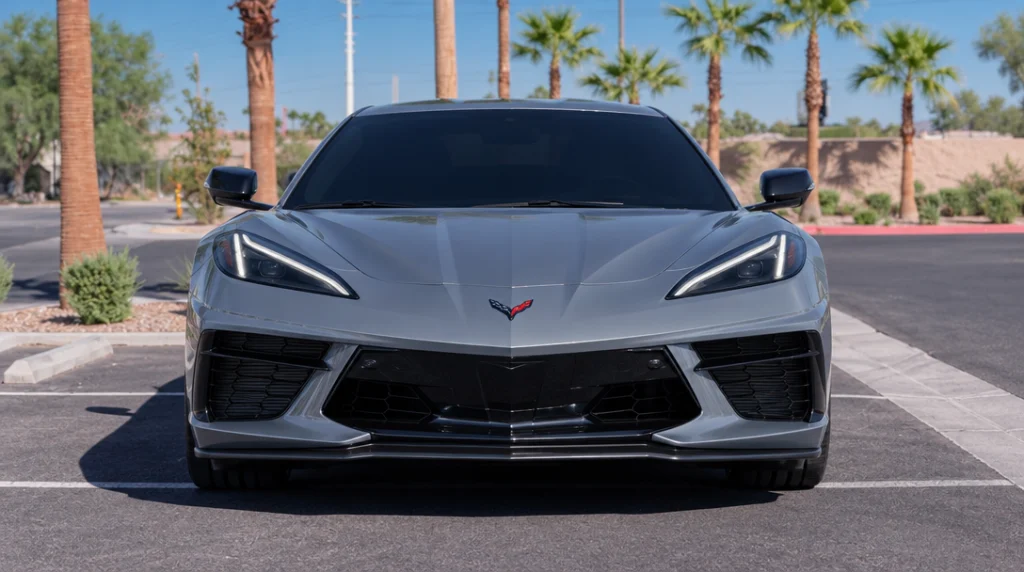
Actual energy savings depend on outside temperatures, vehicle settings, parking conditions, and other factors.
If you own a Model 3 or Model Y in Green Valley, consider how your front windows, rear glass, and roof panels work together.
Our Tesla window tinting services focus on selecting film and coverage suited to your vehicle’s glass configuration.
We can discuss lighter ceramic films for owners who prefer a factory-style appearance and darker options where appropriate.
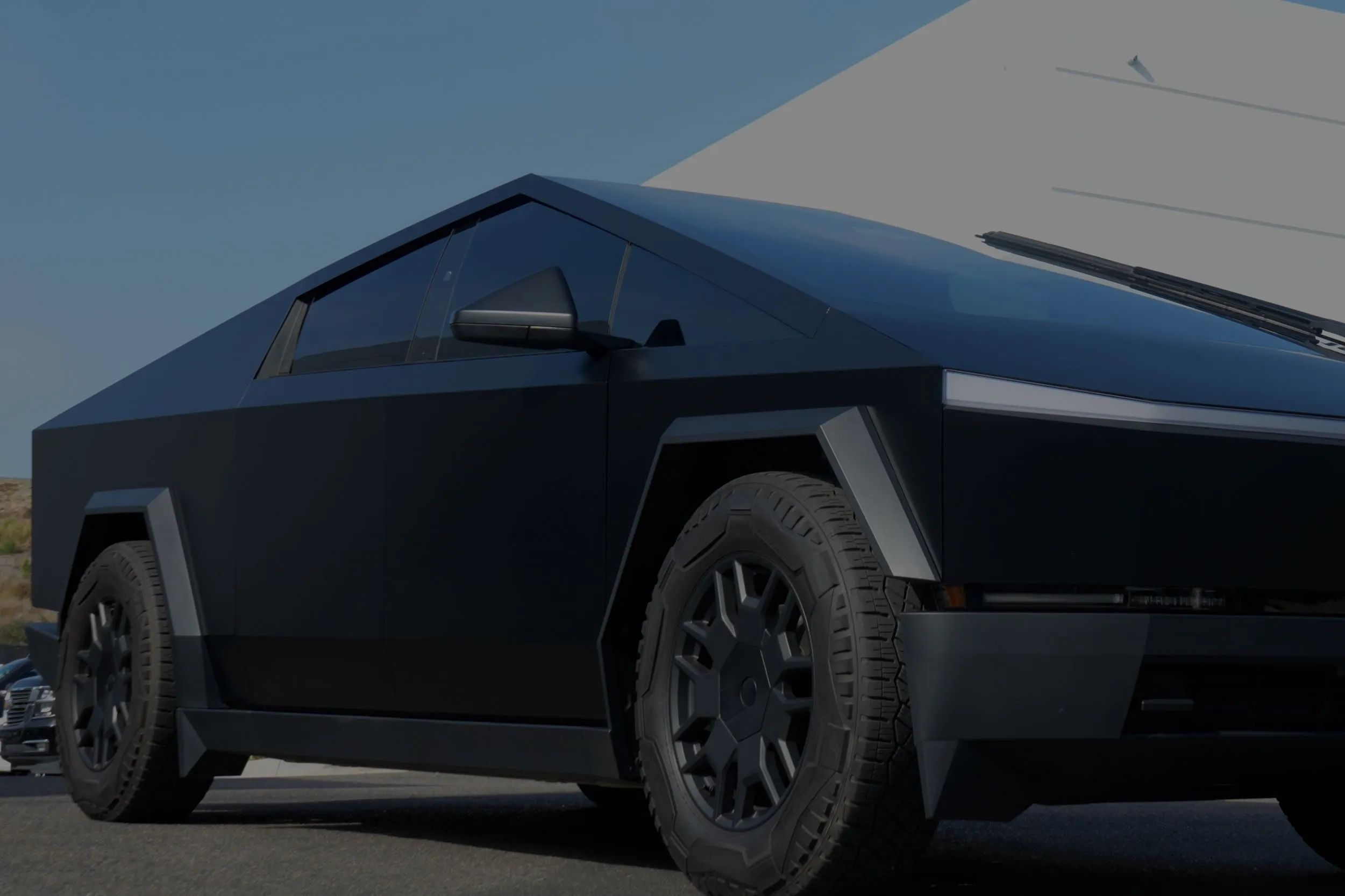
The Cybertruck’s large glass areas and distinct window shapes require careful film selection and installation.
Our Tesla Cybertruck window tinting service helps owners compare film options based on glare, solar heat, visibility, and appearance.
Before installing film on a panoramic roof or other specialized glass, confirm compatibility with the vehicle and film manufacturer’s requirements.
A dark film can reduce visible sunlight, but its appearance does not tell you how much infrared energy or total solar heat it rejects.
Compare published performance figures before choosing a shade.
The term ceramic describes a category of window film rather than a single performance standard.
Films differ in construction, infrared rejection, optical characteristics, and warranty coverage.
Ask for the specifications of the exact product and shade being installed.
A shade that looks appealing in a sunny parking lot may feel too dark on a poorly lit road.
Consider your regular travel conditions before selecting lower-VLT films.
Privacy glass on an SUV or truck may already have a darker appearance.
Factory privacy glass does not necessarily offer the same infrared and UV performance as an aftermarket ceramic film.
Testing the glass and comparing compatible film options can help you make a more informed choice.
Two films advertised with similar infrared rejection percentages may have been tested across different wavelength ranges.
Ask how the measurements were obtained and compare TSER data where available.
Once your window film is installed, proper care can help maintain its appearance.
Southern Nevada’s dust and frequent temperature changes make gentle cleaning habits worth adopting.
Newly installed window film needs time for remaining installation moisture to evaporate and for the adhesive to settle.
Temporary moisture pockets or slight cloudiness may be visible during this period.
Follow your installer’s instructions about when to lower your windows and begin cleaning the treated glass.
Curing times can differ depending on the product and weather conditions.
Choose a cleaner approved for your installed window film.
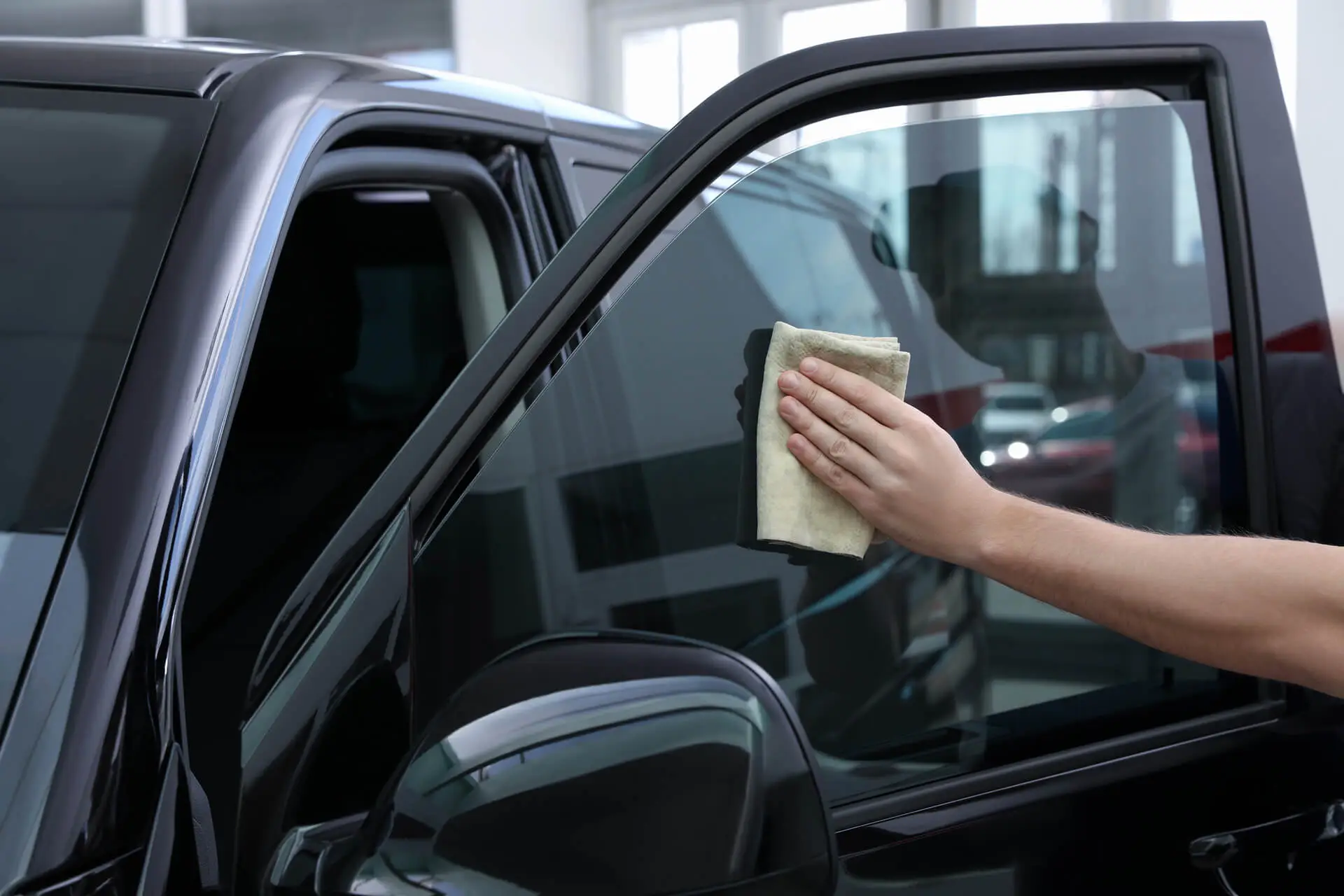
A clean, soft microfiber towel can help remove fingerprints and light dust without scratching the surface.
Avoid abrasive cleaning pads, razor blades, and harsh chemicals on the film.
Dust can accumulate along window edges and door seals.
Avoid rubbing dry, gritty particles across tinted surfaces. Use an appropriate cleaning method that lifts the dirt without dragging it across the film.
Retain your installation records and warranty information.
Ceramic Pro window films carry limited lifetime warranty coverage subject to the applicable product terms and conditions.
Our team can explain what your selected film covers and how to care for it.
Car window tint in Green Valley addresses sunlight entering through your vehicle’s glass. The rest of your vehicle faces its own challenges from desert conditions.
Road debris, dust, sunlight, and frequent washing can affect painted and interior surfaces.
Regular travel along the I-215 Beltway and other busy roads can expose your vehicle to small stones and road debris.
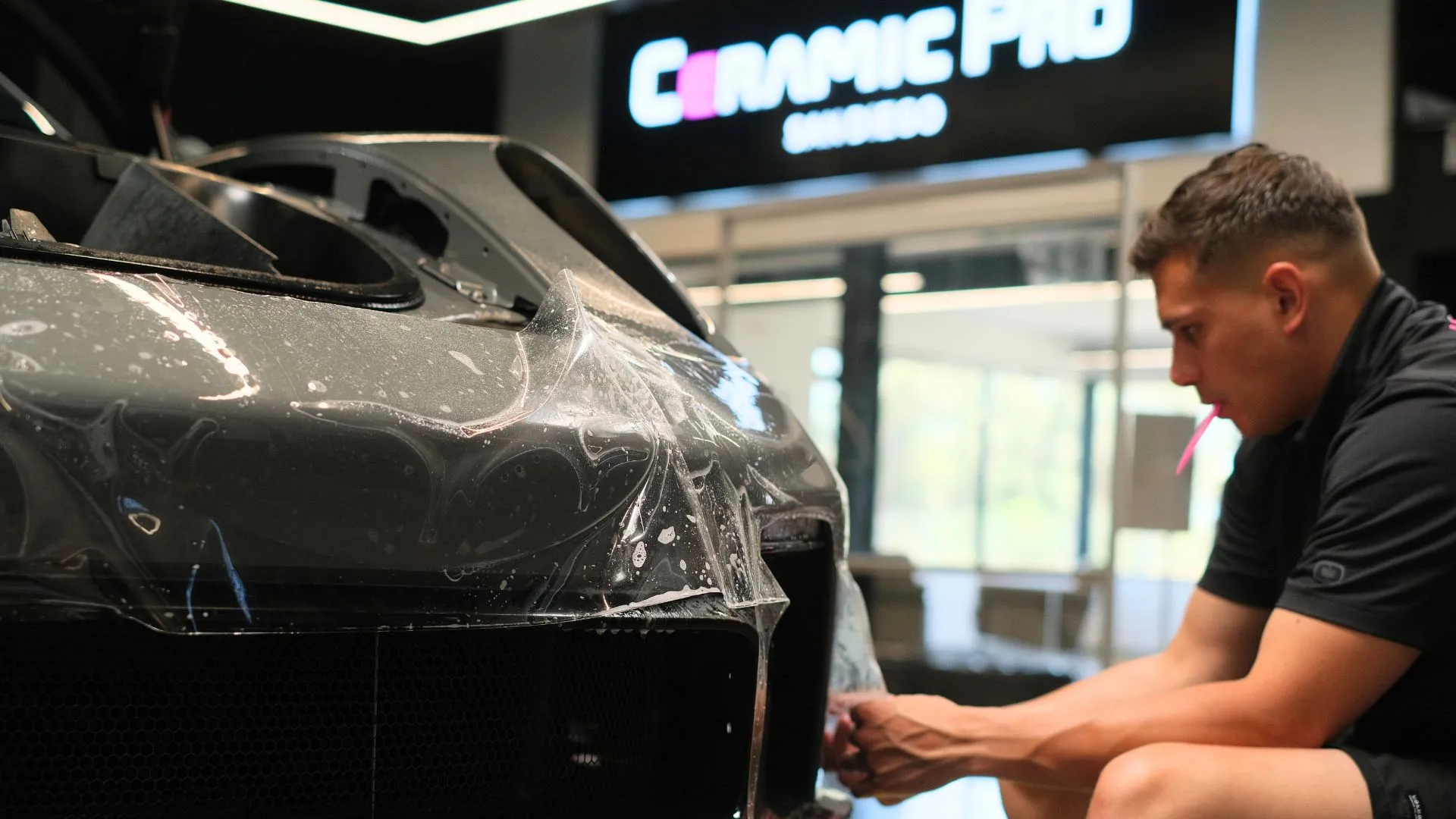
Our paint protection film services help protect covered painted panels against common forms of physical damage.
PPF is worth considering for frequently exposed areas such as the front bumper, hood, fenders, and side mirrors.
A professionally applied ceramic coating can make exterior surfaces easier to clean and improve resistance to certain environmental contaminants.
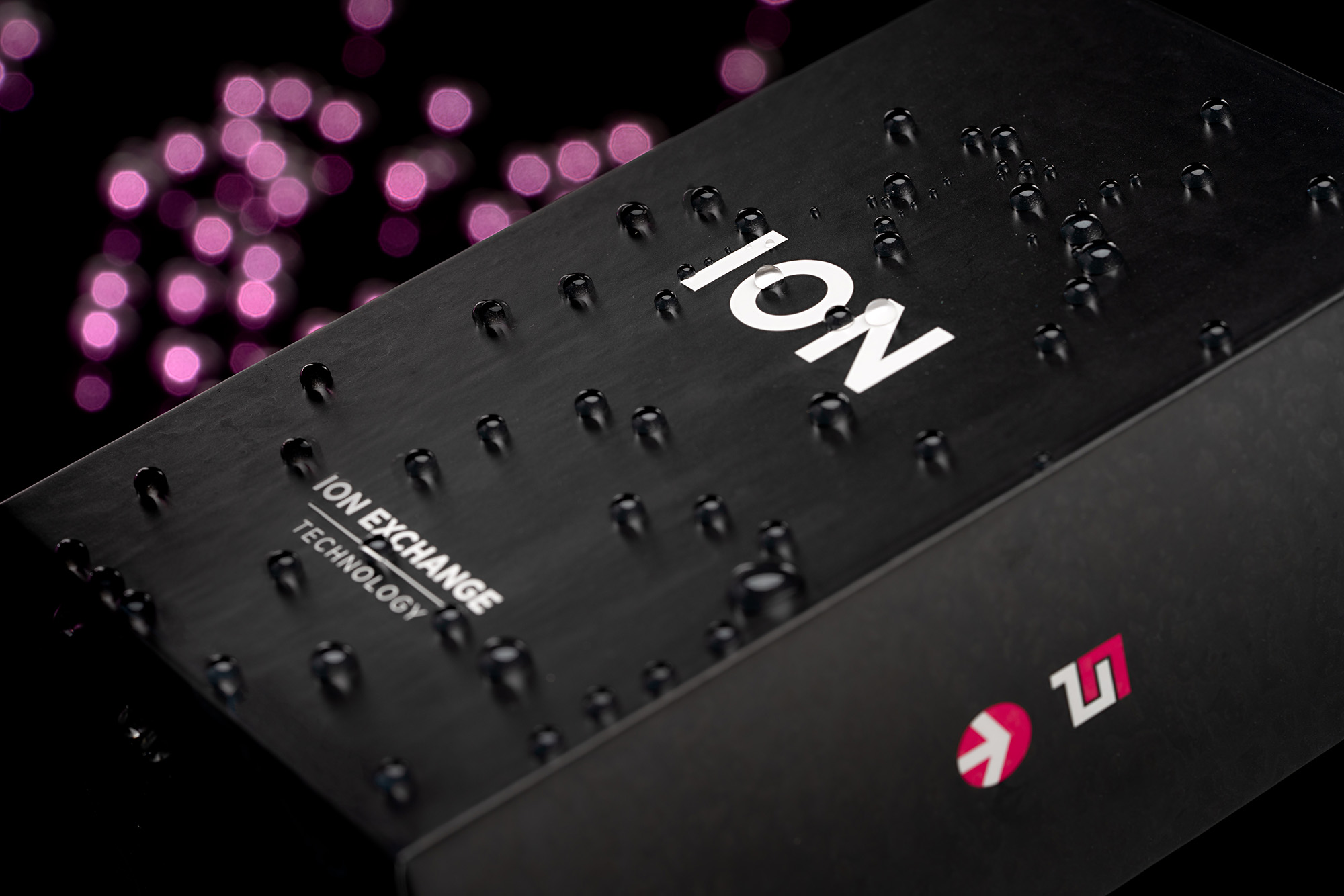
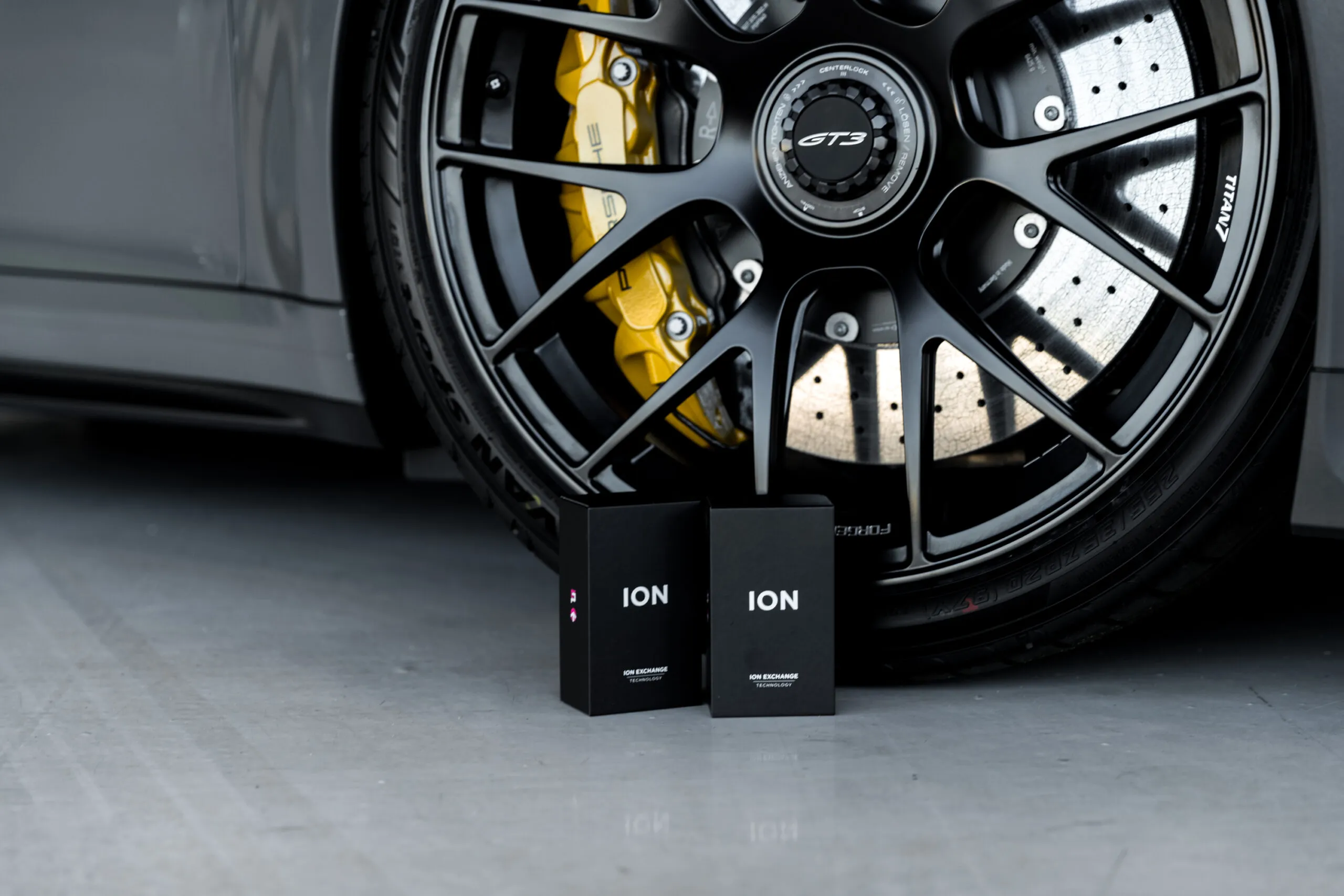
Ceramic Pro also offers Ceramic Pro ION ceramic coating for owners interested in its coating technology.
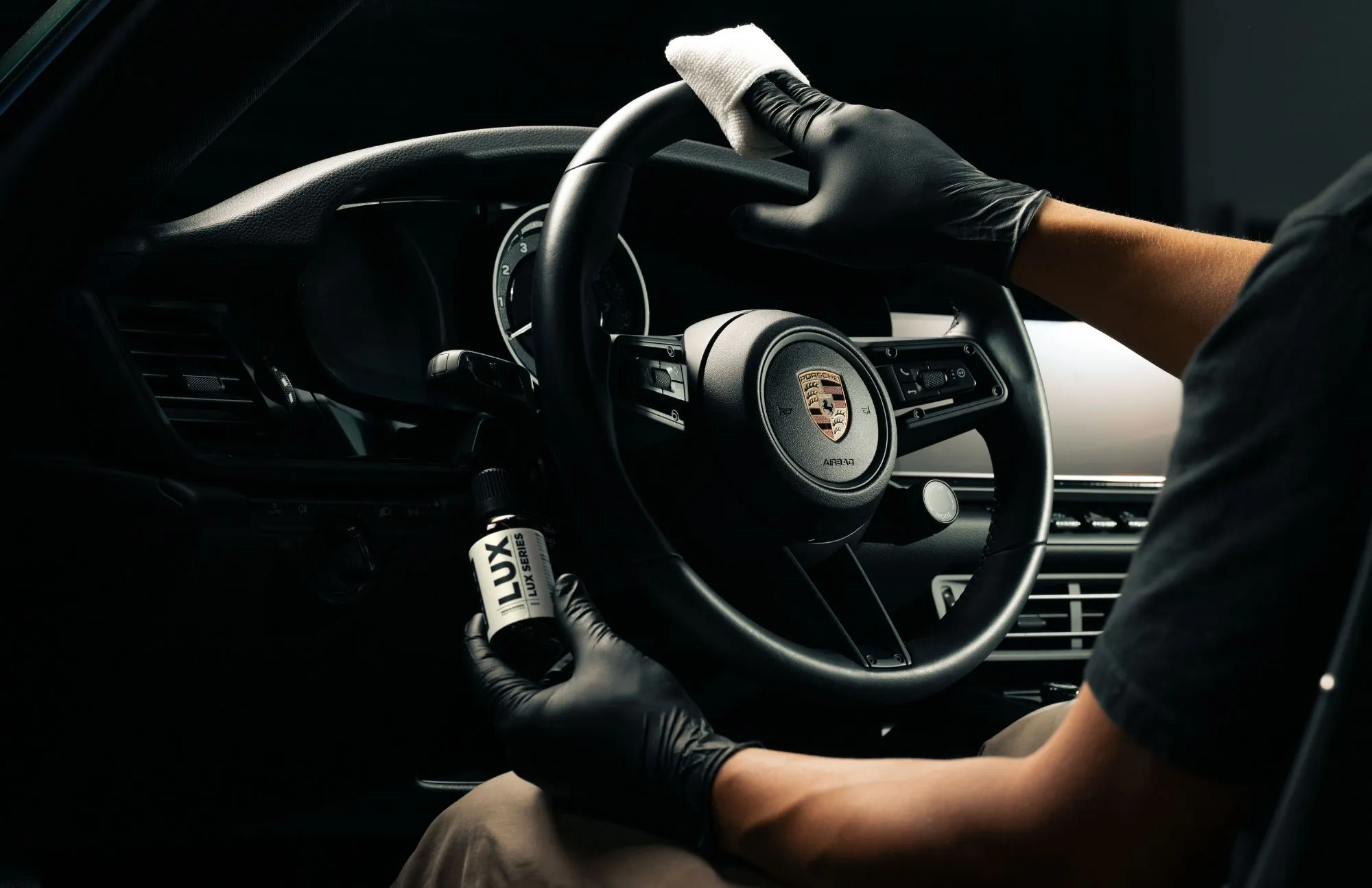
If you want added protection for compatible interior surfaces, consider Ceramic Pro LUX interior ceramic coating.
Interior coatings and window tint serve different purposes. Film helps manage sunlight through glass, while an interior coating can help protect treated materials against everyday wear and contamination.
Professional installation matters just as much as selecting a suitable window film.
Careful glass preparation, accurate film cutting, and attention to contamination can influence how the finished installation looks and performs.
At Ceramic Pro Las Vegas, we help vehicle owners throughout Henderson, NV and Las Vegas, NV choose window films that suit their vehicles and daily routines.
Our customers receive:
Whether you own a daily commuter, family SUV, luxury sedan, truck, or Tesla, we can help you compare your options before installation.
Learn more about our shop through our About Us page or browse all our vehicle protection services.
Ceramic window tint is worth considering if your vehicle regularly faces direct sunlight and high desert temperatures. It helps reduce solar heat entering through treated glass while offering UV filtering and glare reduction, depending on the film and shade selected.
Ceramic Pro Ceramic IR and Ultimate IR are strong options for motorists focused on infrared heat rejection. Ultimate IR is Ceramic Pro’s highest heat-focused film tier. The most suitable choice depends on your vehicle, preferred VLT, existing glass, and daily travel conditions.
Not necessarily. Darkness measures visible light transmission rather than overall heat rejection. A lighter ceramic film may reject more solar energy than a darker film with different construction. Compare TSER and infrared rejection figures before making your selection.
Nevada generally requires at least 35% combined visible light transmission through the front side windows, with a statutory tolerance of 7%. A film labeled 35% VLT may produce a lower reading when installed over factory glass. Have the combined transmission checked before choosing your tint.
Ceramic Pro’s metal-free ceramic films are designed to avoid the signal interference associated with certain metallic window films. They are suitable for modern vehicles that rely on GPS navigation, mobile connectivity, and other wireless systems.
Ceramic window tint can reduce incoming solar energy through treated glass, but it cannot prevent a parked vehicle from becoming dangerously hot. Outdoor temperature, parking duration, untreated surfaces, and sunlight exposure still affect cabin temperature.
Contact Ceramic Pro Las Vegas at (702) 943-8877 or complete our online contact form. Tell us your vehicle’s year, make, and model, along with your preferred appearance and concerns about desert heat. Our team can help you compare suitable films and arrange an installation appointment.
Your daily commute should not leave you feeling uncomfortable every time sunlight reaches your side windows.
Choosing the right ceramic window film can help reduce solar heat, manage glare, filter UV rays, and protect your vehicle’s interior without requiring excessively dark windows.
At Ceramic Pro Las Vegas, we help Green Valley residents compare Ceramic Pro Ceramic X, Ceramic IR, Ultimate IR, and our carbon window film options.
As a certified Ceramic Pro Elite Dealer, we offer professional installation, product-specific warranty support, and film recommendations suited to your vehicle.
Ready to choose car window tint in Green Valley that suits your daily commute?
Contact Ceramic Pro Las Vegas today.
Ceramic Pro Las Vegas
8540 Dean Martin Dr. Ste 170
Las Vegas, NV 89139
Phone: (702) 943-8877
Business Hours: Monday through Friday, 9 AM to 6 PM
Website: https://ceramicprolv.com/
Schedule Your Window Tint Appointment
Tell us about your vehicle, daily driving, and goals so we can recommend the best package for protection and style. Share the services you want to compare, such as paint protection film, ceramic coating, window tint, vinyl wrap, or paint correction. Include your timeline and any photos that show panels, glass, or problem areas. The more details you provide, the more precise our estimate and scheduling will be.
Explore the many services we offer by clicking the boxes below