
Heat-Resistant Coatings in Las Vegas can help protect compatible metal, wheel, caliper, and industrial surfaces that face high temperatures, chemicals, oxidation, road grime, and harsh outdoor conditions. What they cannot do is make every surface immune to heat damage, stop mechanical wear, repair existing damage, or make a part safe beyond its original temperature rating.
That difference matters.
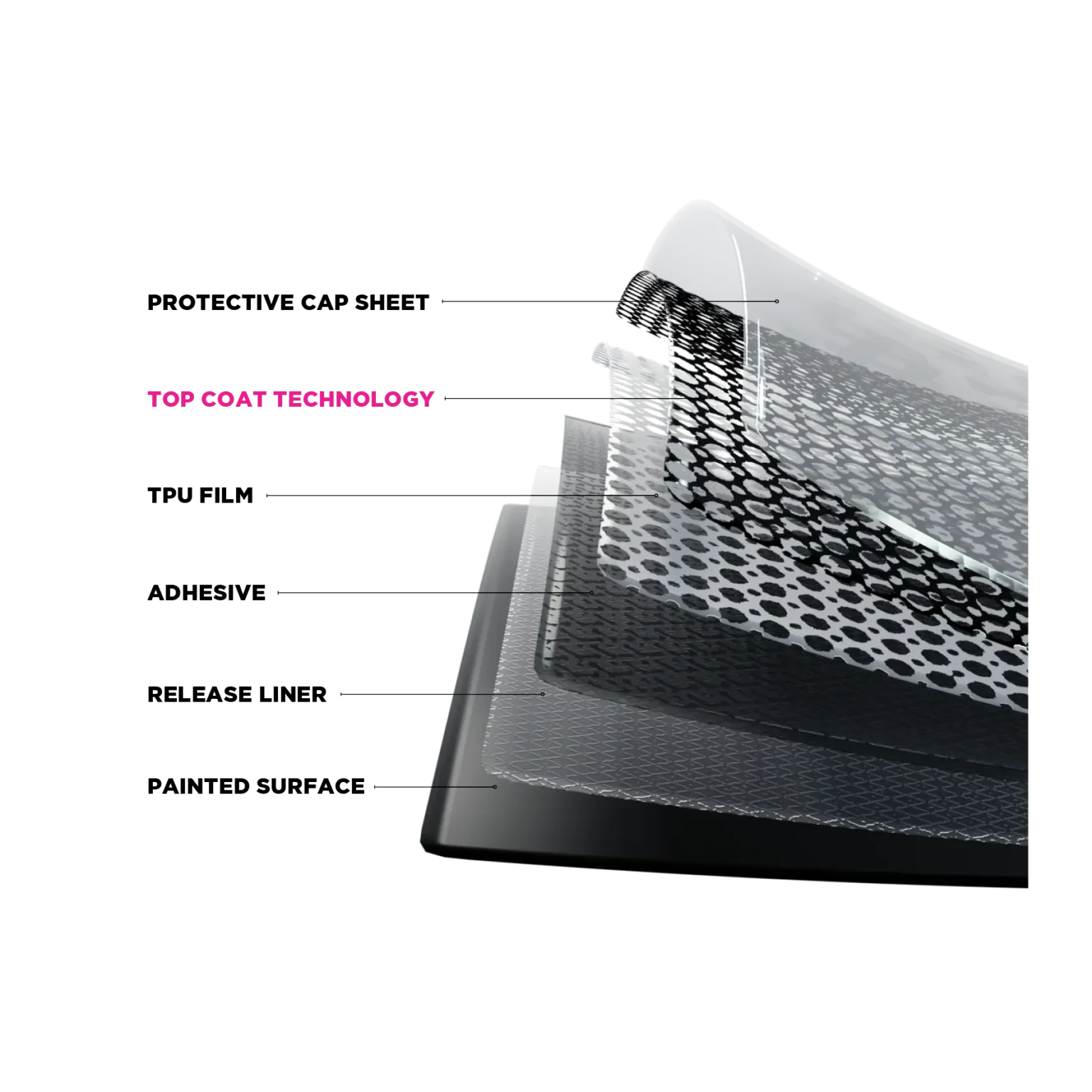
The phrase “heat-resistant coating” can describe several very different products. A coating designed for wheels and brake calipers is not automatically the right product for an exhaust manifold. A coating made for industrial metal may have a very different purpose from a ceramic coating used on automotive paint.
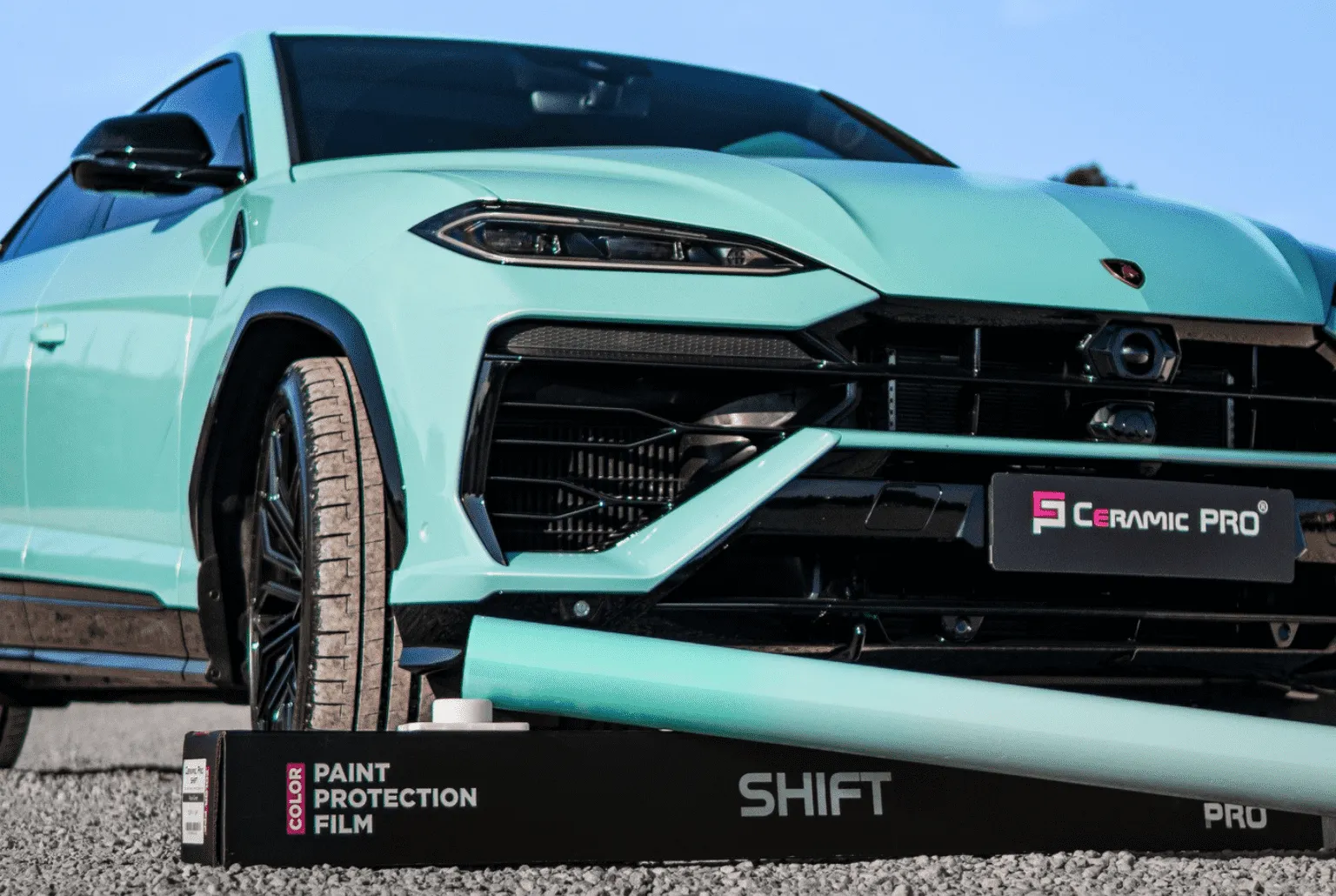
Ceramic Pro publishes several products that deal with demanding environments. Ceramic Pro Wheel & Caliper is made for wheels and brake calipers and is described by the manufacturer as having high-heat and chemical-resistant properties. Ceramic Pro Strong is an industrial coating that Ceramic Pro says can provide protection across an extremely wide temperature range once cured.
For Las Vegas, NV drivers and property owners, ambient heat adds another factor. The National Weather Service recorded 137 days with daily highs of at least 90°F in Las Vegas during 2025.
Ceramic Pro Las Vegas is an official Ceramic Pro Elite Dealer located at 8540 Dean Martin Dr. Ste 170 in Las Vegas, NV. Our listed services center on automotive protection, including ceramic coating, paint protection film, window tint, vinyl wrap, detailing, and paint correction.
A heat-resistant coating is a surface treatment designed to remain stable while exposed to elevated temperatures within the product’s rated limits.
That does not mean every coating works at the same temperature.
Some products are made for automotive wheels and brake calipers.
Others are made for industrial metals, pipes, machinery, or equipment.
The product must match the surface and the heat it will actually face.
A coating may also offer other forms of protection, such as resistance to:
Ceramic coatings can also create a slicker or hydrophobic surface, which may make cleaning less difficult.
The phrase Heat-Resistant Coatings in Las Vegas should never be treated as one product category with one temperature rating.
Ask for the product name and published technical data.
Las Vegas, NV is already hot before a vehicle or piece of equipment starts generating its own heat.
The National Weather Service’s annual 2025 Las Vegas climate report recorded:
That ambient heat is separate from heat generated by brakes, engines, machinery, exhaust systems, or industrial equipment.
Brake calipers can become much hotter than the outdoor air during use.
Metal equipment exposed to direct sun can also become hotter than the surrounding air.
This is one reason Heat-Resistant Coatings in Las Vegas may be worth considering on compatible surfaces.
The coating needs to be chosen around the actual job, not just the outdoor temperature.
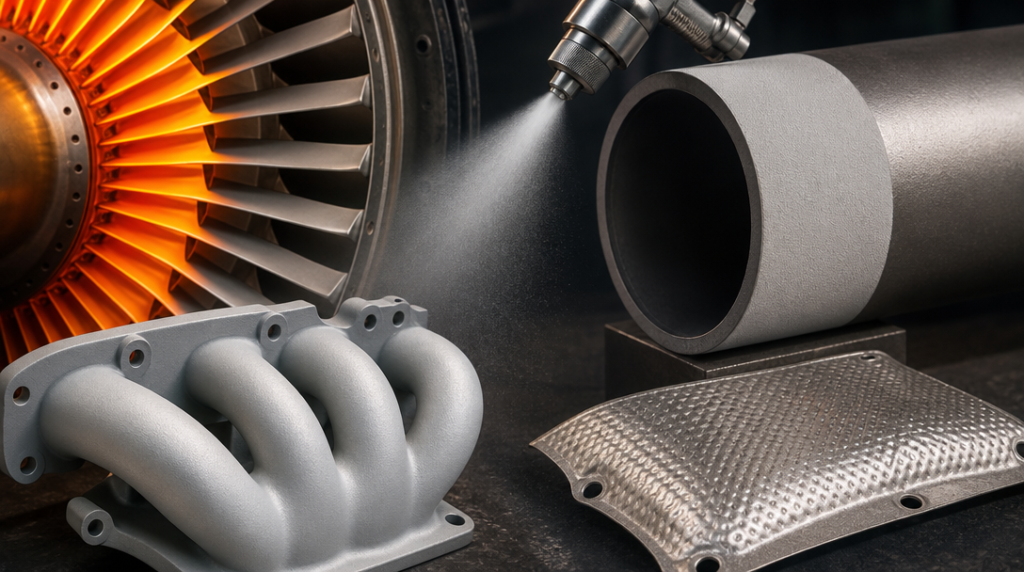
Heat-resistant coatings may be used on many types of surfaces depending on the product.
Possible applications include:
The phrase “possible applications” matters.
A coating’s published temperature rating does not automatically mean it belongs on every hot component.
Material type, surface finish, heat cycling, chemical exposure, mechanical wear, and installation method can all affect product suitability.
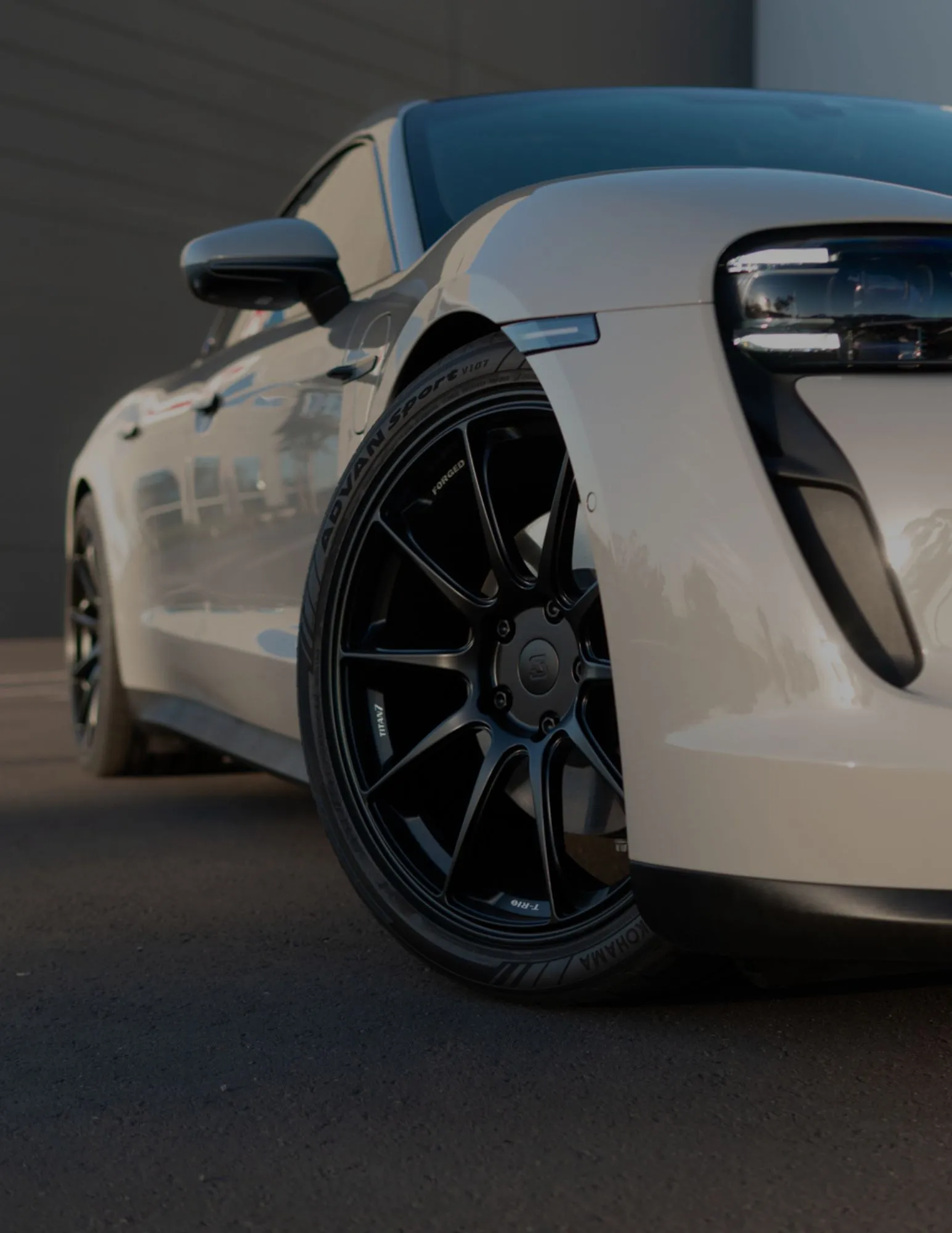
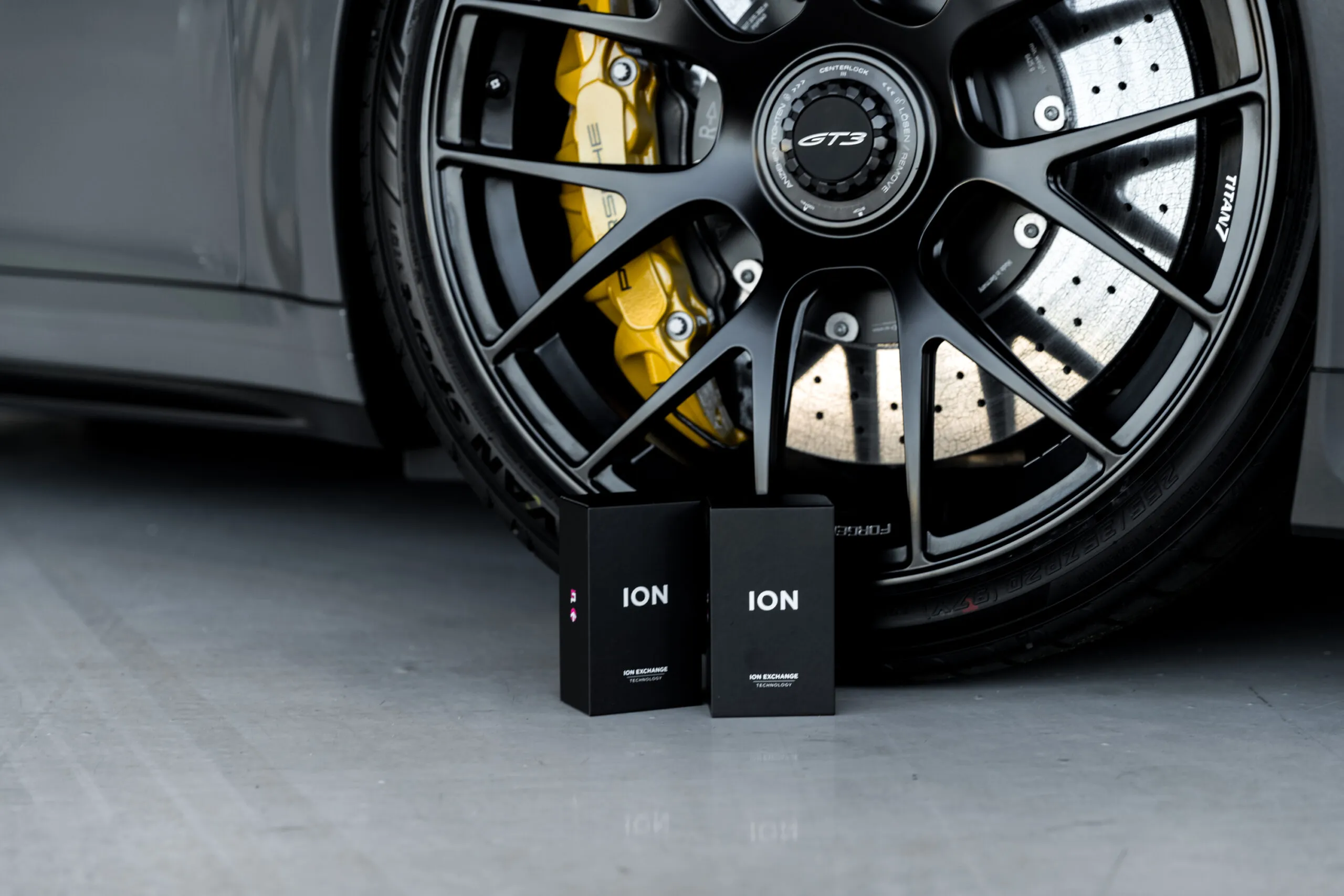
Ceramic Pro makes a product for wheels and brake calipers.
Ceramic Pro describes Wheel & Caliper as a coating designed to handle the demanding conditions found around braking components.
The manufacturer says the product has high-heat and chemical-resistant properties.
It is also hydrophobic.
That means the coating can help reduce how strongly brake dust and road contamination stick to compatible treated surfaces.
Typical areas may include:
You can also read our guide to ceramic wheel coating and ask Ceramic Pro Las Vegas how wheel and caliper protection fits with a broader vehicle coating plan.
Ceramic Pro Strong is the manufacturer’s industrial coating product.
Ceramic Pro states that once cured, Strong provides protection across temperatures ranging from -50°F to 2,200°F.
That is a very broad published temperature range.
Ceramic Pro also describes Strong as resistant to:
The manufacturer lists uses on metal, stone, industrial equipment, steel structures, pipelines, rims, and other compatible materials.
Here’s what matters.
A 2,200°F published coating rating does not mean every surface underneath the coating can safely operate at 2,200°F.
The material being coated still has its own temperature limits.
Fasteners, seals, adhesives, paint layers, nearby plastics, and other parts may fail far below the coating’s rated limit.
A suitable coating can provide another protective layer over a compatible surface.
Depending on the product, benefits can include:
Ceramic Pro’s published testing material also lists temperature, corrosion, chemical, UV, adhesion, and hardness test results for certain coating products.
Those claims apply to the tested product and conditions.
Do not transfer one product’s test result to another coating unless the manufacturer publishes the same data for both.
A coating has limits.
Heat-Resistant Coatings in Las Vegas do not automatically:
This is one of the biggest misunderstandings around heat-resistant coatings.
A product can tolerate heat without acting as insulation.
Those are different functions.
Heat resistance means a coating can withstand elevated temperature within its published conditions.
Thermal insulation means reducing the movement of heat from one place to another.
A thin ceramic coating may have heat-resistant properties without meaningfully lowering the temperature of the underlying component.
That distinction is especially useful around vehicles.
If a brake caliper is exposed to heat generated by braking, a heat-resistant coating may remain intact and protect the finished surface.
It does not stop the brakes from generating heat.
If an engine component becomes too hot because of a mechanical issue, a ceramic coating does not fix the cooling system.
If an exhaust component is hot enough to burn skin, coating it does not mean the surface is safe to touch.
Wheels and calipers are one of the clearest automotive uses for a coating that must tolerate heat.
Brake dust comes from wear within the braking system.
A coating does not stop that wear.
Ceramic Pro says Wheel & Caliper coating can reduce brake dust adhesion and make wheel cleaning easier.
That means brake dust still reaches the wheel.
The difference is what happens after it lands.
A coated surface can make residue less difficult to wash away during routine cleaning.
For drivers considering Heat-Resistant Coatings in Las Vegas, this is a realistic benefit.
It is better to think “easier brake dust cleanup” rather than “no more brake dust.”
Heat is not the only concern on exposed metal.
Water, chemicals, contaminants, and oxygen can also contribute to oxidation or corrosion.
Ceramic Pro states that Strong can protect metal against oxidation and corrosion by creating a barrier between the treated surface and outside exposure.
Ceramic Pro Wheel & Caliper is also described as protecting against road contamination and chemical exposure.
The coating still depends on proper preparation.
Coating over active corrosion does not automatically repair the metal underneath.
Rust, flaking finish, oxidation, or damaged paint should be inspected before coating work begins.
Possibly, but the exact product and component need to be checked first.
Exhaust components can reach very high temperatures.
Different sections of an exhaust system can also operate at very different temperatures.
A tailpipe, muffler, catalytic converter, turbocharger housing, exhaust manifold, and header are not interchangeable surfaces.
Before coating an exhaust-related part, confirm:
Do not assume a wheel coating belongs on an exhaust manifold simply because both parts get hot.
Ceramic Pro’s current automotive Wheel & Caliper product is presented for wheels and brake calipers.
Ceramic Pro Strong is presented as an industrial coating with a much broader published temperature range.
Those are separate products with separate uses.
Some compatible engine-bay metal surfaces may be candidates for heat-tolerant coatings, but product suitability needs to be checked part by part.
An engine bay can contain:
One coating does not belong on all of them.
Heat is not the only issue either.
Oil, fuel vapor, cleaning products, vibration, and mechanical contact can affect surfaces under the hood.
If you are considering a coating for an engine component, ask for written product guidance rather than relying on a general “ceramic handles heat” claim.
Automotive paint coatings can tolerate normal exterior temperatures, including the heat a vehicle sees while parked outside.
That does not make a body coating the same product as a coating made for brake calipers or industrial metal.
Ceramic Pro’s automotive coating lineup includes products such as:
Each is made for different compatible surfaces.
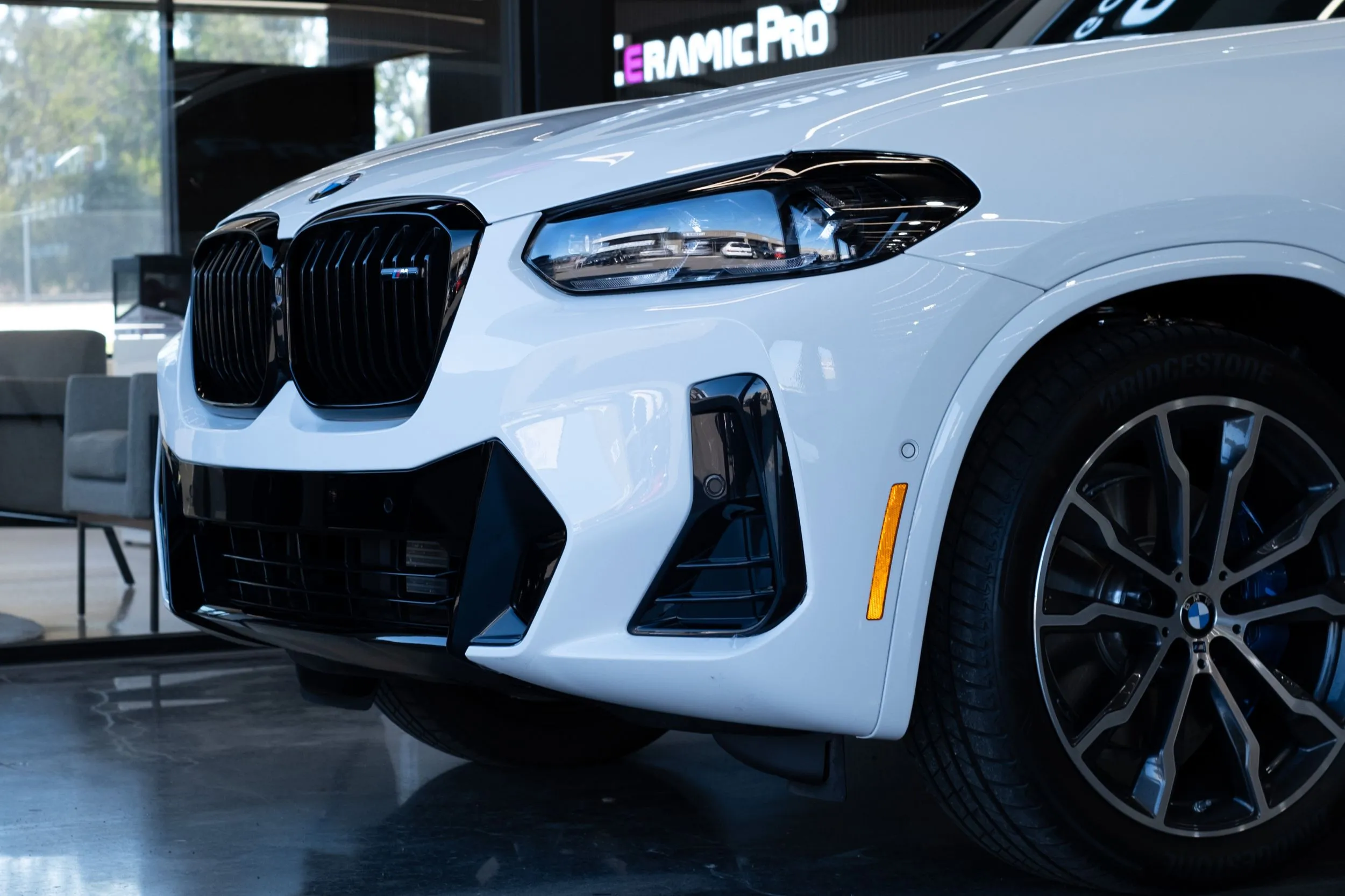
Ceramic Pro Las Vegas offers Ceramic Pro ION and ceramic coating for exterior vehicle protection.
Use the coating intended for the surface rather than assuming the same bottle should cover paint, glass, wheels, and exhaust components.
A coating can only bond properly to a suitable, prepared surface.
Preparation may include:
Wheel coating may require iron-removal and careful cleaning because brake dust can become embedded in the finish.
Industrial metal may need a different preparation process.
A damaged surface may also require repair before coating.
Ceramic Pro’s wheel and caliper guidance notes that the condition of the wheel affects preparation before coating is applied.
A clear coating can preserve what is underneath it, including defects that were not addressed first.
Outdoor heat can affect how vehicle surfaces feel and how quickly contamination dries.
During hot weather:
A heat-resistant coating does not remove these maintenance concerns.
Wash and clean surfaces out of intense direct sun when possible.
Do not allow cleaners to dry on hot wheels or calipers.
Follow the coating maker’s care directions for the product being used.
Las Vegas heat is one reason product selection and care both matter.
Paint protection film and ceramic coating solve different problems.
Depending on the product, it may help with:
PPF is a physical film used on compatible exterior vehicle surfaces for concerns such as:
Ceramic Pro Las Vegas installs paint protection film for drivers who want a physical barrier over painted panels.
PPF should not be used as a substitute for a high-temperature coating on hot mechanical components unless the film maker approves that use.
Before scheduling Heat-Resistant Coatings in Las Vegas, ask what exact product is being proposed.
Then ask:
These questions matter more than a broad claim such as “ceramic handles extreme heat.”
The product needs to match the part.
They can be when the surface and product are a good match.
For wheels and calipers, a heat-tolerant ceramic coating can help protect the finish while making brake dust and road contamination easier to remove.
For industrial metal, Ceramic Pro publishes a much wider set of uses and temperature claims for Strong.
For normal vehicle paint, an exterior ceramic coating has a different job.
The answer depends on what you want protected.
Bottom line, Heat-Resistant Coatings in Las Vegas are worth considering when you have identified the surface, its operating conditions, and a coating made for that use.
They are not a repair for overheating, damaged metal, failed parts, or mechanical problems.
If you are researching Heat-Resistant Coatings in Las Vegas for wheels, brake calipers, or another vehicle surface, Ceramic Pro Las Vegas can discuss which Ceramic Pro product fits the application.
Our automotive services include:
Visit us at:
Ceramic Pro Las Vegas
8540 Dean Martin Dr. Ste 170
Las Vegas, NV
We serve drivers from Las Vegas, NV, Henderson, NV, Enterprise, NV, and nearby communities.
Our shop is open Monday through Friday from 9 a.m. to 6 p.m.
Call (702) 943-8877 or visit our contact page to schedule an appointment or ask whether a proposed high-temperature surface is suitable for one of the products we carry.
Heat-resistant coatings are made to remain stable across a stated temperature range while protecting compatible surfaces. Depending on the product, they may also provide chemical, corrosion, oxidation, water, dirt, or brake-dust resistance.
Not necessarily. Heat resistance and thermal insulation are different properties. A coating may survive high temperatures without meaningfully reducing the operating temperature of the component underneath it.
No. Brake dust comes from wear within the braking system. Ceramic Pro says its Wheel & Caliper coating helps reduce brake dust adhesion and makes coated wheels easier to clean.
Ceramic Pro states that once cured, Strong provides protection across temperatures from -50°F to 2,200°F. That is a coating rating and does not mean every material underneath it is safe to operate across that entire range.
Ceramic Pro presents Wheel & Caliper as a product for wheel and brake-caliper surfaces. An exhaust manifold can experience much different operating conditions, so the coating manufacturer should approve the exact product for that use before application.
Some products can reduce a surface’s exposure to moisture, oxygen, chemicals, and other factors tied to corrosion. Ceramic Pro describes Strong as resistant to oxidation and corrosion. Existing rust or damaged metal may still need repair or preparation first.
Ceramic Pro Las Vegas is located at 8540 Dean Martin Dr. Ste 170 in Las Vegas, NV. Call (702) 943-8877 or visit our contact page to discuss the surface you want treated.
Ceramic Pro Coatings
Publisher: Ceramic Pro
Publication Date: Current reference page
URL: https://ceramicpro.com/ceramic-coatings/
Ceramic Pro Technology Testing Results
Publisher: Ceramic Pro
Publication Date: Current reference page
URL: https://ceramicpro.com/technology-testing/
Ceramic Pro Industrial Coatings
Publisher: Ceramic Pro
Publication Date: Current reference page
URL: https://ceramicpro.com/industrial-coatings/
Ceramic Pro Surface Protection Products
Publisher: Ceramic Pro
Publication Date: Current reference page
URL: https://ceramicpro.com/products-3/
The Ultimate Guide to Ceramic Coating Wheels & Calipers
Publisher: Ceramic Pro
Publication Date: 2022
URL: https://ceramicpro.com/the-ultimate-guide-to-ceramic-coating-wheels-calipers/
Las Vegas, NV Climate Summary for the Year of 2025
Publisher: NOAA National Weather Service
Publication Date: January 4, 2026
URL: https://forecast.weather.gov/product.php?format=CI&glossary=1&issuedby=LAS&product=CLA&site=CRP&version=1
Tell us about your vehicle, daily driving, and goals so we can recommend the best package for protection and style. Share the services you want to compare, such as paint protection film, ceramic coating, window tint, vinyl wrap, or paint correction. Include your timeline and any photos that show panels, glass, or problem areas. The more details you provide, the more precise our estimate and scheduling will be.
Explore the many services we offer by clicking the boxes below