
Nano ceramic coating in Las Vegas is a phrase you will see on detailing websites, coating bottles, advertisements, and vehicle-protection packages. The word “nano” sounds technical, but many vehicle owners are never told what it means or what it has to do with protecting automotive paint.
At its simplest, “nano” refers to an extremely small scale of measurement.
A nanometer is one billionth of a meter. The U.S. Environmental Protection Agency describes nanoscale materials as materials generally measuring about 1 to 100 nanometers in at least one dimension. At that scale, materials can behave differently because their surface area and physical characteristics differ from larger forms of the same material.
Automotive ceramic coatings use chemistry designed to form a very thin protective layer over compatible surfaces after the liquid product is applied and cured.
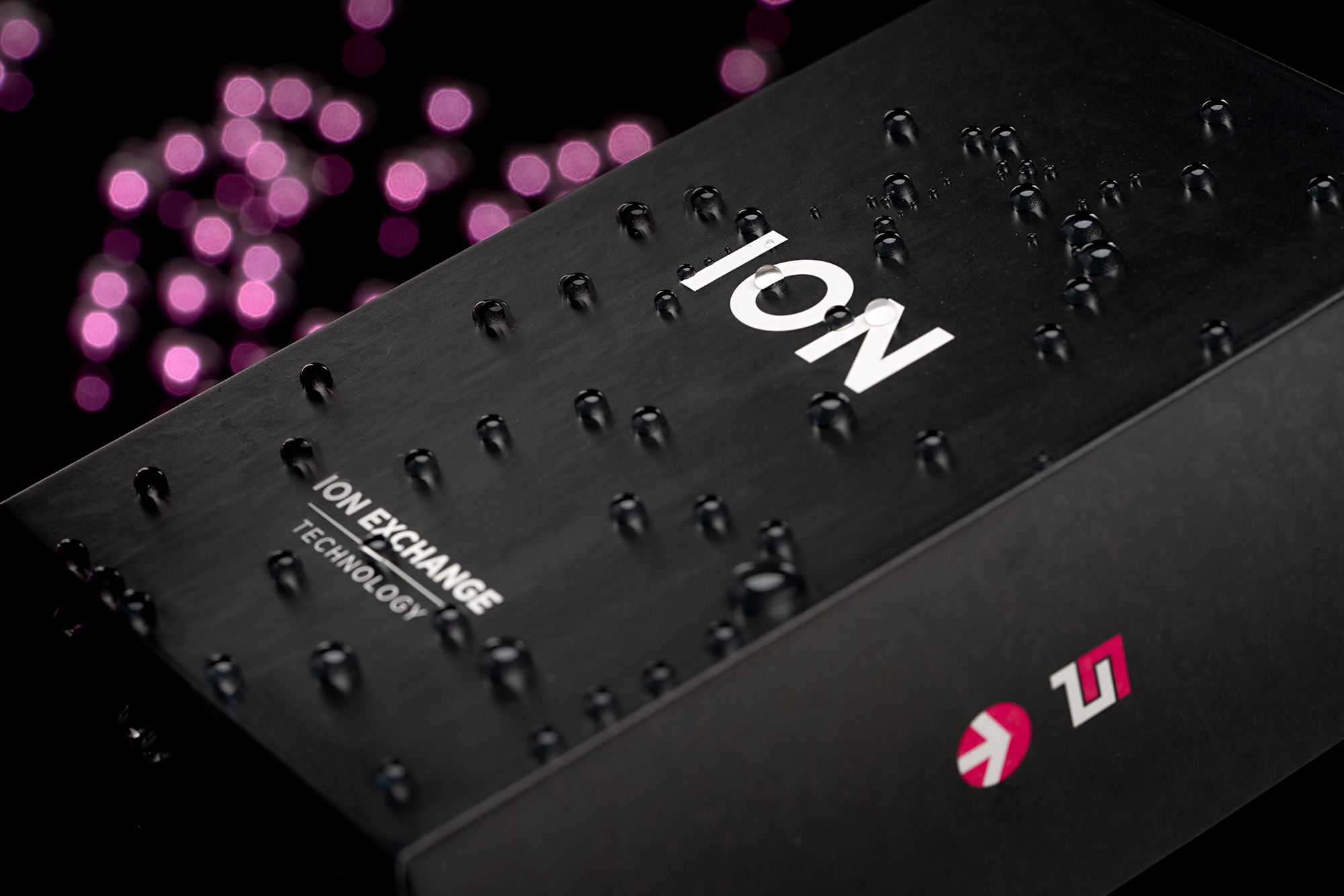
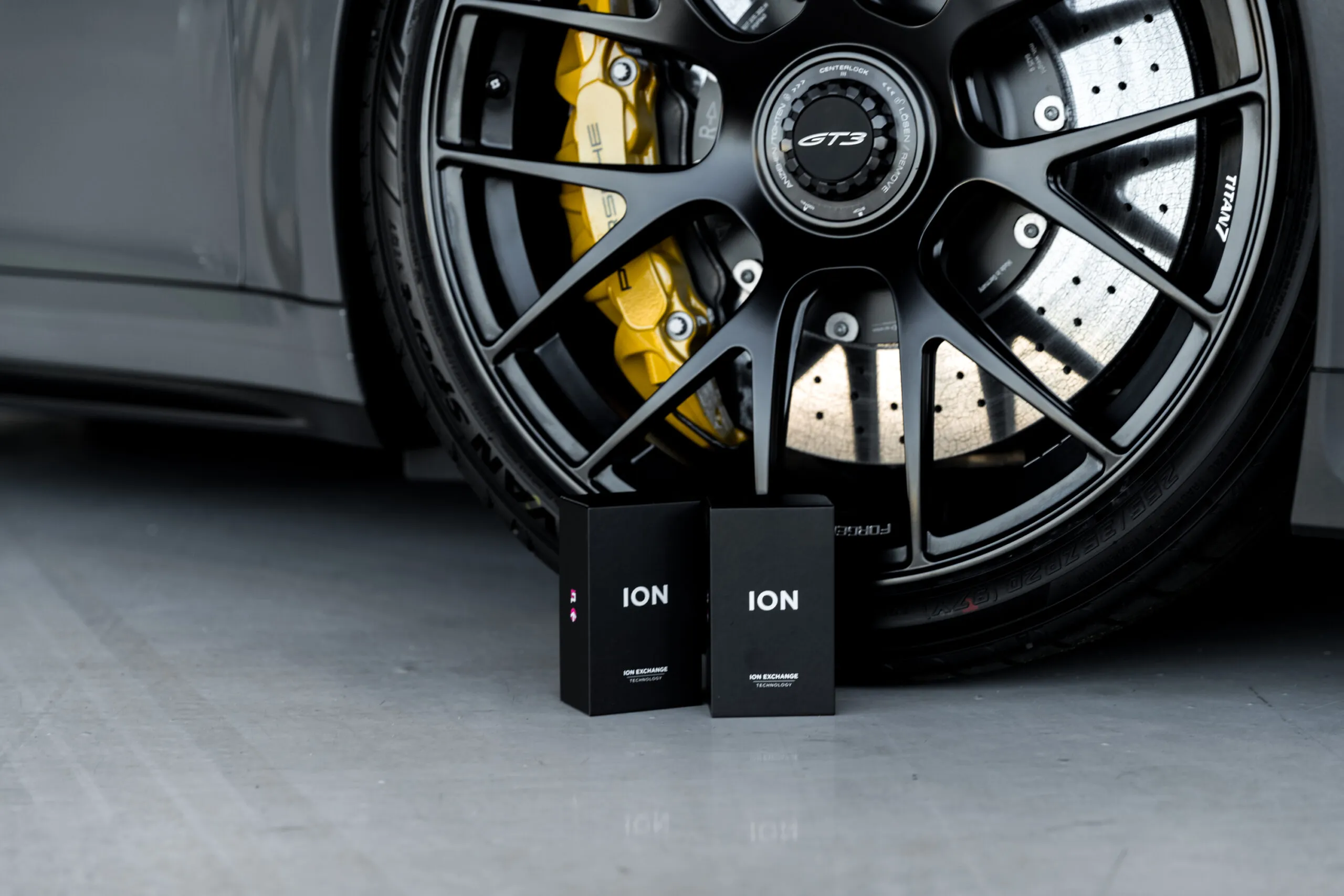
Ceramic Pro has long described its professional products as nanoceramic coatings. Earlier Ceramic Pro 9H product information identifies silicon dioxide, titanium dioxide, and carrier solvents as parts of its coating chemistry. Current Ceramic Pro ION takes a different approach by using a two-component Base Coat and Top Coat system with ION Exchange Technology.
Ceramic Pro Las Vegas offers professional ceramic coating and Ceramic Pro ION for drivers throughout Las Vegas, NV and nearby Las Vegas Valley communities.
So, what does “nano” really tell you about a ceramic coating? And what does it not tell you?
Here is what vehicle owners should know.
“Nano” is a measurement prefix.
One nanometer equals one billionth of a meter.
The EPA describes nanomaterials as materials with extremely small structures, often around 1 to 100 nanometers in at least one dimension.
That size is far below what the human eye can see.
This small scale can affect properties such as:
That is the scientific meaning behind the word.
When the term appears in automotive coating marketing, though, it can become less precise.
Some companies use “nano” to describe coating chemistry that works at very small scales. Others may use it loosely because the word sounds advanced.
That means you should not choose a coating simply because the bottle says “nano.”
Ask what product is being installed, who makes it, how it is applied, what prep is required, and what warranty backs it.
It is hard to picture one nanometer because it is far smaller than anything you can see directly.
The EPA notes that nanoscale materials are measured in nanometers and that engineered nanomaterials can be used in paints, plastics, medical equipment, treated materials, and many other products.
The size is so small that you cannot look at coated paint and see individual nanoscale structures.
You see the result after curing:
The term “nano” describes scale and chemistry.
It does not mean tiny ceramic tiles are sitting on the paint.
In automotive coatings, the term generally refers to coating chemistry made to interact with a surface at an extremely small scale.
Older Ceramic Pro 9H information describes a nanoceramic coating containing silicon dioxide, titanium dioxide, and proprietary carrier solvents.
Ceramic Pro states that its coating chemistry can work within microscopic imperfections in automotive clear coat and cure into a flatter protective surface.
This does not mean the coating literally fills every scratch or repairs damaged paint.
Microscopic texture and visible paint defects are different things.
A swirl mark you can see under sunlight may still be visible after coating.
That is why paint preparation comes first.
No.
This is an easy assumption to make, but the terms describe different things.
“Nanoscale” can refer to the size or structure of materials used in the chemistry.
It does not automatically tell you the total cured thickness of the coating layer.
A product can involve nanoscale chemistry without the finished film being exactly 1, 10, or 100 nanometers thick.
Ceramic Pro’s public information reviewed for this article does not publish an exact nanoparticle-size specification for current Ceramic Pro ION.
It also does not say that the finished ION layer is exactly 100 nanometers thick.
If a shop claims an exact particle size or exact finished coating thickness, ask where that specification comes from.
Manufacturer documentation is a better source than a sales claim.
There is no single recipe used by every ceramic coating manufacturer.
Formulas differ.
Ceramic Pro’s earlier product information describes Ceramic Pro 9H as a nanoceramic coating containing:
The liquid product is applied to a properly prepared surface and allowed to cure according to the coating system.
Once cured, the coating creates a transparent layer over the compatible surface.
Different products can use different ingredients and different chemical systems.
That is why the phrase nano ceramic coating in Las Vegas does not tell you enough by itself.
Two shops may both advertise nano ceramic coating while installing very different products.
Ceramic Pro’s current ION system uses a two-component process.
It consists of:
Ceramic Pro states that the Base Coat bonds to automotive paint. After it cures, ION Top Coat is installed over it.
The company describes the interaction between the two products as ION Exchange Technology.
According to Ceramic Pro, larger ions from the Top Coat replace smaller ions within the Base Coat, reducing open space within the coating structure and creating a denser finished coating system.
The practical point for a vehicle owner is simple.
Ceramic Pro ION is not merely a renamed bottle of traditional 9H coating.
It uses a matched Base and Top Coat system designed to work together.
Ceramic Pro Las Vegas offers Ceramic Pro ION through its Las Vegas, NV location.
Professional ceramic coating is different from putting wax on top of paint.
Wax creates a temporary surface layer.
A ceramic coating is intended to bond more strongly with a properly prepared compatible surface during curing.
That is why surface preparation is such a large part of a professional coating appointment.
The installer may need to remove:
The paint is then inspected.
If visible defects need to be addressed, polishing may happen before coating.
The coating goes on after the surface is ready.
The word “nano” does not cancel out poor paint preparation.
If a coating is installed over dirty, oily, or poorly prepared paint, the final result may suffer.
If the paint has swirl marks before coating, those marks may remain.
If hard-water deposits are already on the clear coat, coating over them does not make them disappear.
If the vehicle needs paint correction, that work should be discussed before the coating is installed.
Preparation may include:
A new vehicle may need less correction than an older daily driver.
Age alone does not tell the full story.
A new car can arrive with dealership wash marks, while an older enthusiast-owned vehicle may have very clean paint.
The actual finish should determine the prep.
Las Vegas, NV puts vehicle finishes through a demanding mix of conditions.
Drivers regularly deal with:
A professional nano ceramic coating in Las Vegas can help by creating a hydrophobic surface over compatible treated areas.
Ceramic Pro describes its coatings as providing resistance to oxidation, chemicals, environmental contamination, and UV-related damage while increasing gloss and water repellency.
The day-to-day benefit many owners notice is easier washing.
Dirt can still land on the vehicle.
Dust can still cover the paint.
Bird droppings still need to be removed.
What changes is the surface those contaminants are landing on.
Hydrophobic means water tends to pull together rather than spread evenly across the surface.
On coated paint, you may see water form beads or move away from panels more readily.
This can help during:
Hydrophobic behavior is not magic.
Water can still remain on a vehicle.
If mineral-heavy water dries on the surface, spots can still form.
That is especially relevant in Las Vegas, NV.
Coated cars still need to be dried after washing.
The word “nano” can sometimes make ceramic coating sound more powerful than it really is.
A coating has limits.
Nano ceramic coating does not make a vehicle:
It also does not replace safe washing.
Ceramic Pro itself publishes information explaining that ceramic coating is not designed to stop every severe scratch, rock chip, ding, dent, or water spot.
Knowing those limits helps you choose the right service.
No.
Rock chips are physical impact damage.
A very thin ceramic coating cannot provide the same physical barrier as paint protection film.
If you commute on I-15, I-215, US-95, or other busy Las Vegas Valley roads and rock chips are your concern, PPF deserves a look.
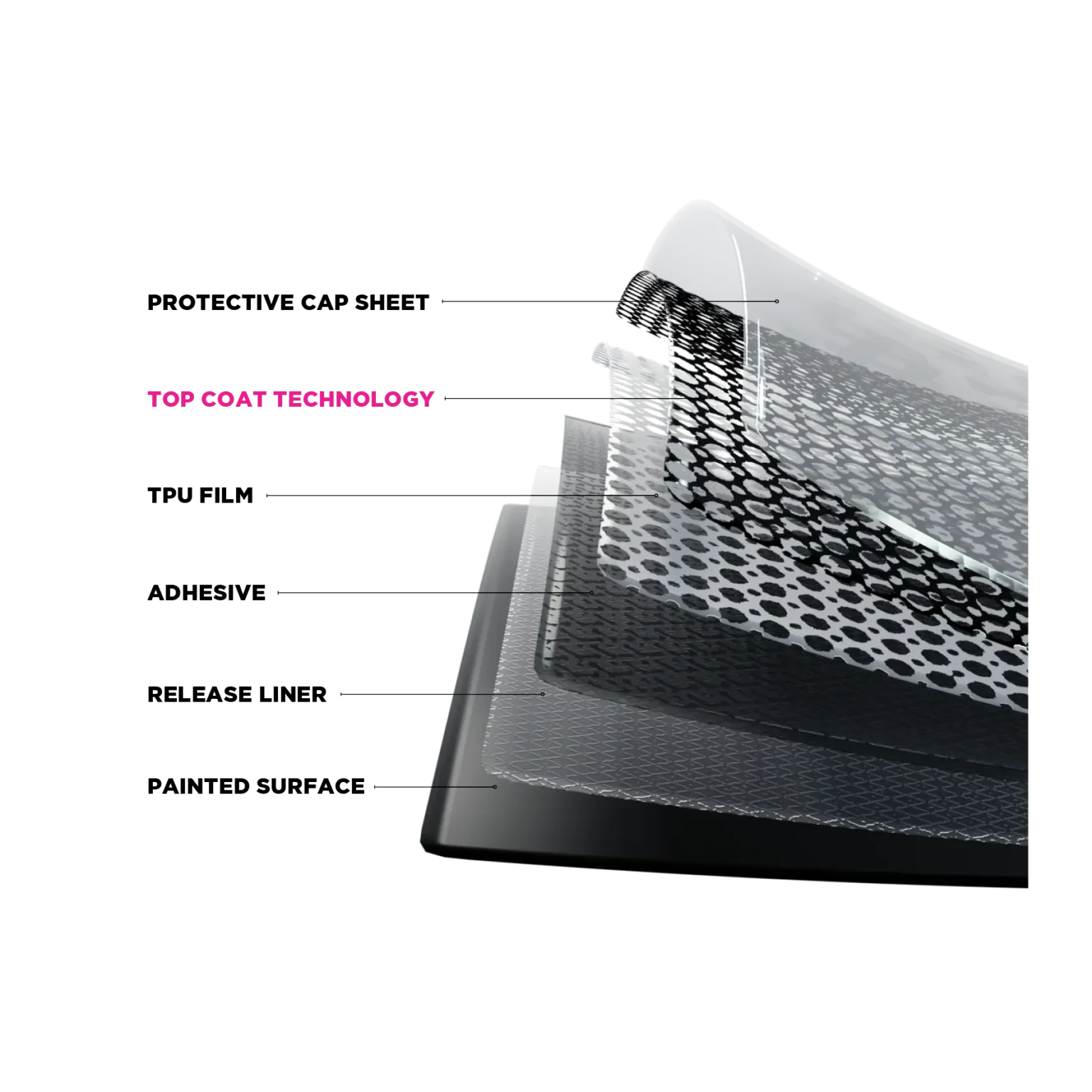
PPF places a much thicker polyurethane film over the paint.
Ceramic coating and PPF can also be used together.
A vehicle might have:
Each product handles a different type of protection.
No ceramic coating should be treated as completely water-spot proof.
Hydrophobic paint can shed water well, but droplets may still remain.
When mineral-rich water evaporates, minerals can stay behind.
Las Vegas vehicle owners should pay attention to:
If possible, do not park where sprinklers hit the vehicle repeatedly.
Dry the paint after washing rather than allowing water to evaporate across hot panels.
A coating can help with surface care, but proper washing still matters.
No.
Ceramic coating can add resistance to light abrasion, but it cannot make automotive paint scratch-proof.
A dirty towel can still mark a finish.
A bush dragged along a door can still scratch it.
Keys, shopping carts, road debris, and collisions can still damage the vehicle.
Ceramic Pro describes ION as having greater abrasive resistance than its traditional nanoceramic coatings.
That should be understood as added resistance, not immunity.
Good wash habits still matter after coating.
You may also see “9H” beside the word “nano.”
These terms describe different things.
“Nano” refers to extremely small-scale chemistry or structure.
“9H” refers to a hardness rating associated with the pencil hardness scale used in coating discussions.
It does not mean the coating is nine times harder than paint.
It also does not mean the coating cannot be scratched.
When comparing products, do not judge quality from one large “9H” label alone.
Look at the whole coating system.
Wax and ceramic coating can both change the way a painted surface behaves, but they are not the same product.
Traditional automotive wax creates a temporary layer on top of paint.
It can add:
It eventually wears away and needs to be reapplied.
Professional ceramic coating is designed to bond to properly prepared compatible surfaces and remain far longer than a traditional wax application.
It can provide:
The installation process is also more involved.
Paint prep is a major part of the job.
Ceramic coating and PPF are commonly confused.
They should not be.
Best suited to goals such as:
Best suited to goals such as:
Some Las Vegas, NV drivers use both.
Ceramic Pro Las Vegas also offers Ceramic Pro Ultimate Armor, which combines PPF and ceramic coating in a vehicle protection package.
No.
The term alone tells you very little about:
A consumer spray bottle and a professional two-component coating system can both contain ceramic-related chemistry while behaving very differently.
This is why the product name matters.
Ask what will actually be installed on your car.
Instead of asking only whether a shop uses “nano technology,” ask better questions.
Get the exact manufacturer and product name.
Professional coating systems may have installer requirements and specific application steps.
Find out whether the service includes:
Ceramic Pro ION uses both Base Coat and Top Coat.
Ask what is included in the package being quoted.
The coating package may cover more than paint.
Ask about:
Ceramic Pro publishes different warranties for different coating packages.
Ask which warranty applies to the exact package being installed and what maintenance is required.
Ceramic Pro publishes two main ION coating packages.
Its standard ION package includes:
Ceramic Pro also publishes an Ultimate ION package with additional Base Coat layering and lifetime warranty coverage under the manufacturer’s terms.
Package details and warranty conditions should be confirmed when scheduling.
Ceramic Pro Las Vegas can explain what is currently available for your vehicle.
A coating does not create an invisible force field that keeps dust away.
A coated black car can still look dusty after sitting outside.
The difference appears during cleaning.
Dust and routine road film may release more easily from a properly coated surface.
You still need to avoid rubbing dry desert grit across the paint.
Do not use a dry towel to wipe a heavily dusty vehicle.
Wash it using safe methods.
Coating resistance does not make abrasive dirt harmless.
Yes.
Professional coating is not a substitute for vehicle care.
A coated car still needs:
Ceramic Pro coating warranty programs include service conditions that owners should understand.
Ask the installer what your particular coating package requires before leaving the shop.
Keep invoices and service records.
The answer depends on what you expect it to do.
If you want a vehicle that never gets dirty, never scratches, and never needs washing, ceramic coating cannot give you that.
If you want:
then ceramic coating may fit your goals.
The word “nano” should not be the reason you buy it.
The product chemistry, paint preparation, installer, package, warranty, and aftercare are much more useful things to compare.
Ceramic Pro Las Vegas is an official Ceramic Pro Elite Dealer serving vehicle owners throughout the Las Vegas Valley.
Our shop is located at:
8540 Dean Martin Dr. Ste 170, Las Vegas, NV 89139
Business hours are Monday through Friday, 9am to 6pm.
We serve drivers from:
Our vehicle protection services include:
If you are comparing nano ceramic coating in Las Vegas, call (702) 943-8877 or visit the Ceramic Pro Las Vegas contact page.
Tell us what you drive, the condition of the paint, where the vehicle is normally parked, and what you want from the coating.
We can inspect the finish and discuss Ceramic Pro coating options for the vehicle.
Nano refers to an extremely small scale. The EPA generally describes nanoscale materials as having dimensions around 1 to 100 nanometers in at least one dimension. In automotive ceramic coatings, the term is used for coating chemistry designed to work at very small scales on compatible surfaces.
Not necessarily. Nanoscale terminology can describe material size or structure and does not automatically state the total cured thickness of a coating. Ceramic Pro’s public information reviewed for this article does not provide an exact nanoparticle-size specification or state that current ION is exactly 100 nanometers thick.
Ceramic Pro’s published information for its earlier 9H coating identifies silicon dioxide, titanium dioxide, and proprietary carrier solvents. Ceramic Pro ION is a newer two-component Base Coat and Top Coat system that uses ION Exchange Technology.
No. Ceramic coating is not a replacement for paint protection film. PPF is the better service to discuss when physical rock impact is the concern.
No. Ceramic coating can add resistance to light abrasion, but the paint and coating can still be scratched by poor washing, road debris, contact, or other physical damage.
No coating makes paint completely water-spot proof. Mineral-containing water can leave deposits after it evaporates. Proper washing and drying still matter on a ceramic coated vehicle.
Ceramic Pro Las Vegas is an official Ceramic Pro Elite Dealer at 8540 Dean Martin Dr. Ste 170, Las Vegas, NV 89139. Call (702) 943-8877 or visit the contact page to discuss Ceramic Pro ION and other coating options.
Tell us about your vehicle, daily driving, and goals so we can recommend the best package for protection and style. Share the services you want to compare, such as paint protection film, ceramic coating, window tint, vinyl wrap, or paint correction. Include your timeline and any photos that show panels, glass, or problem areas. The more details you provide, the more precise our estimate and scheduling will be.
Explore the many services we offer by clicking the boxes below