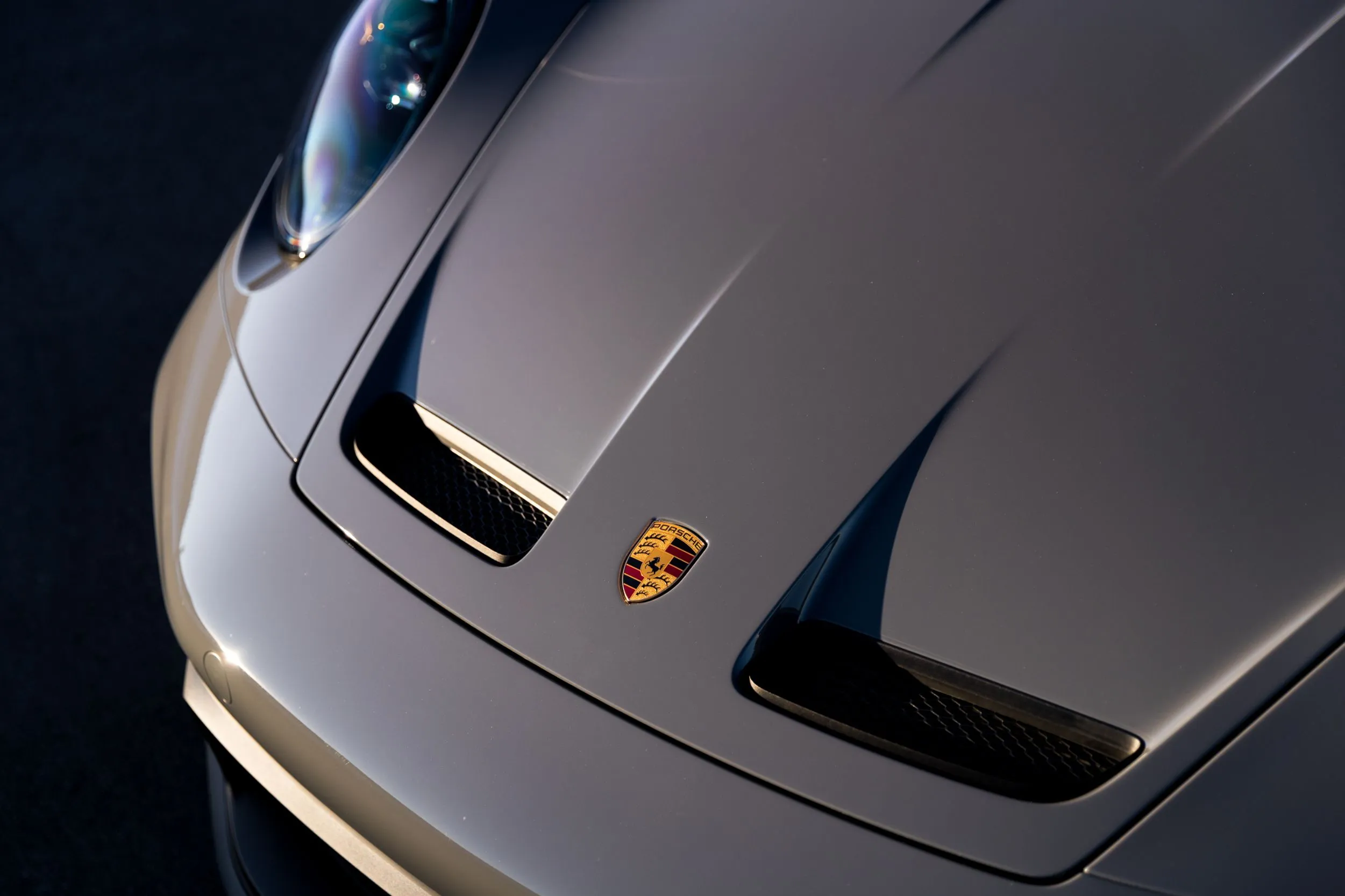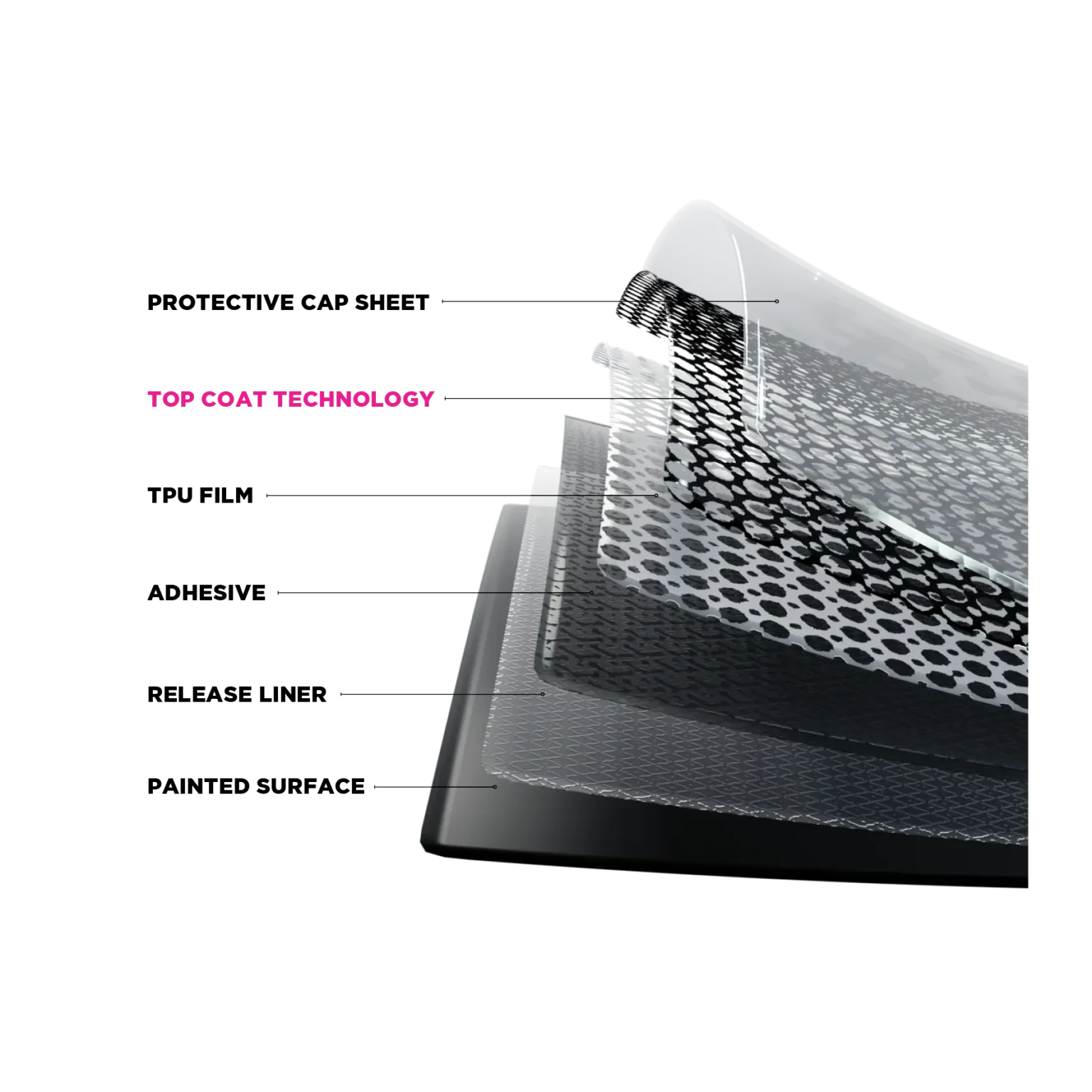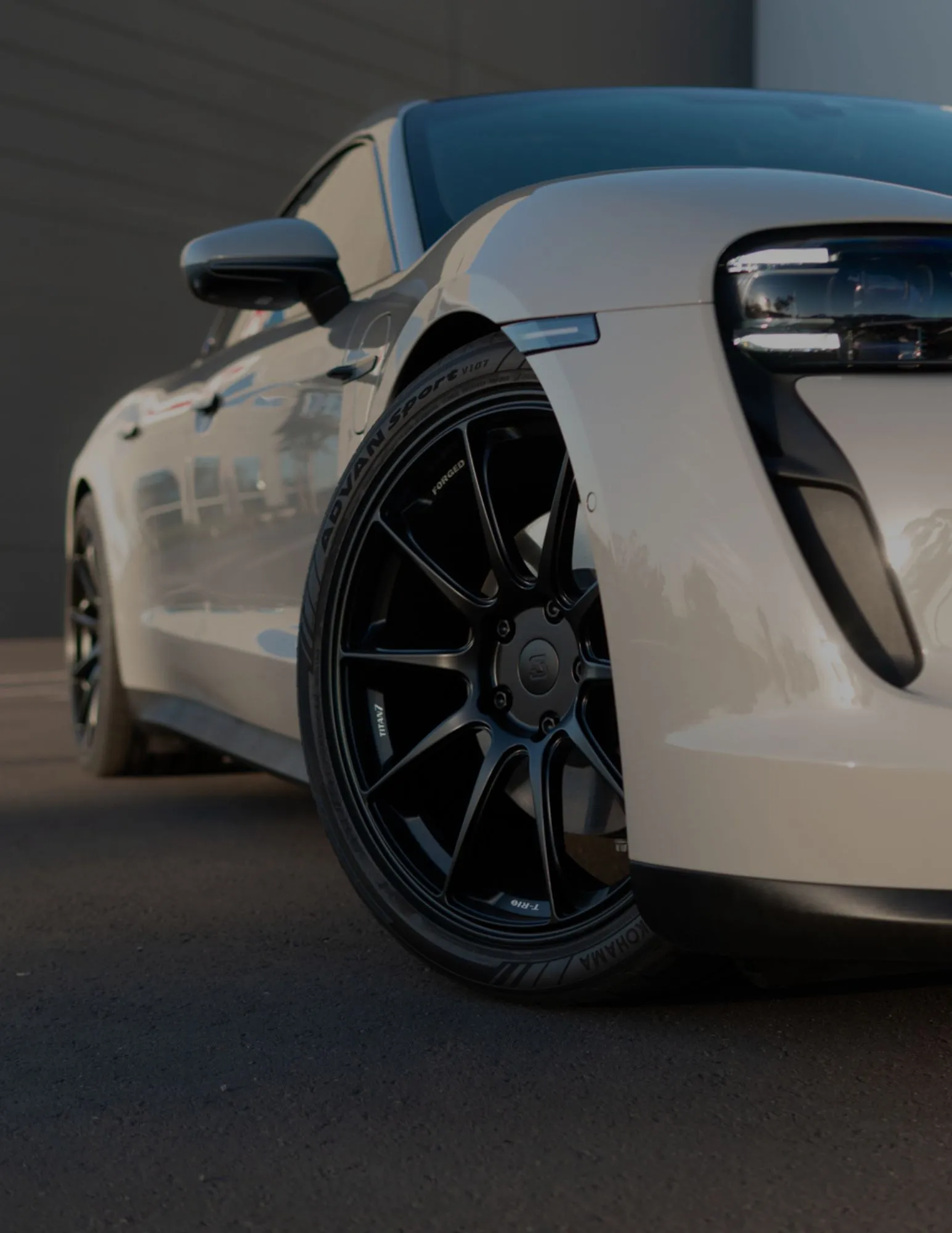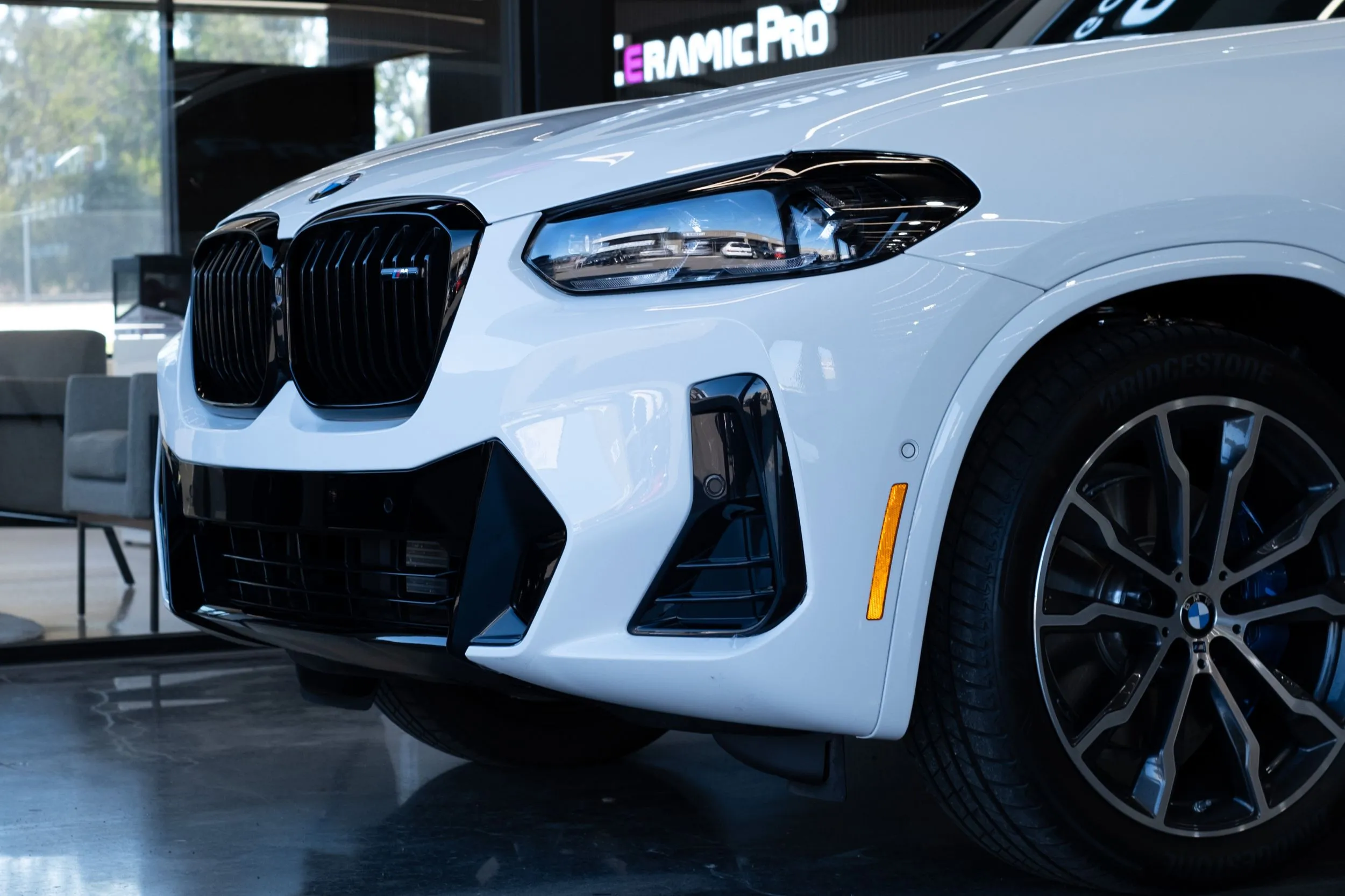

Partial Front vs Full Front PPF is one of the first choices vehicle owners face when shopping for paint protection film. Both packages focus on the areas most exposed to rocks, gravel, insects, and road debris, but there is a major difference in how much of the hood and front fenders receive film.
Ceramic Pro lists its Partial Front Package as covering the full front bumper, headlights, roughly one-third of the hood and fenders, and front side mirrors. Its Full Front Package extends that protection across the full hood and full front fenders while also covering the bumper, mirrors, headlights, fog lights, and door cups.
That difference may look small on paper, but it changes where your paint remains exposed and whether film seams run across large painted panels.
For drivers in Las Vegas, NV, Henderson, NV, and Enterprise, NV, choosing between partial front and full front PPF often comes down to driving habits, vehicle type, paint condition, appearance preferences, and how much front-end coverage you want.
Ceramic Pro Las Vegas is an official Ceramic Pro Elite Dealer located at 8540 Dean Martin Dr. Ste 170 in Las Vegas, NV. We install Ceramic Pro paint protection film and can inspect your vehicle before you choose a coverage package.
Partial front PPF covers selected portions of the front of a vehicle rather than completely covering every forward-facing painted panel.
According to Ceramic Pro’s KAVACA PPF coverage information, its Partial Front Package includes:
The exact shape of the installed film follows the vehicle.
The front bumper gets full coverage because it sits directly in the path of incoming road debris. The hood and fenders receive film only across their forward sections.
That leaves the rear portions of those panels uncovered.
The advantage is that you protect several high-exposure areas without covering the complete hood and fenders.
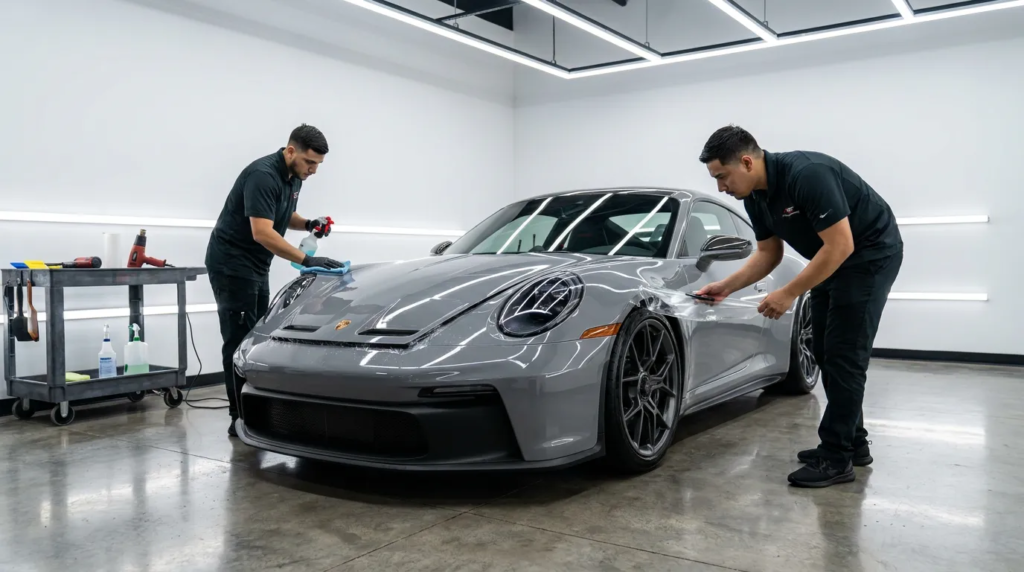
The tradeoff is that the protective film stops partway across those panels.
Full front PPF extends film across the complete forward body panels.
Ceramic Pro lists its Full Front Package as covering:
Instead of stopping film partway across the hood and fenders, the installer covers those compatible panels from edge to edge.
That means more painted surface sits underneath PPF.
It also means there is no partial-coverage line running across the middle of the hood or front fenders.
For drivers who spend a lot of time on highways or who want broader front-end coverage, this difference can carry a lot of weight.
The easiest way to understand Partial Front vs Full Front PPF is to look at where the two packages overlap and where they separate.
Both focus heavily on the front of the vehicle.
Both can cover the front bumper.
Both can protect headlights and mirrors.
The biggest change comes at the hood and front fenders.
The film covers the forward sections of the hood and fenders, leaving the remaining portions uncovered.
The complete hood and front fenders receive film.
That means a rock traveling farther up the hood has a greater chance of reaching protected film with full-front coverage.
The same idea applies to the fenders.
If your concern is keeping as much of the front paint covered as possible without moving to full-body PPF, full-front coverage gives you more film.
Most buyers comparing these packages should pay close attention to the hood.
Why?
Road debris does not always strike the first few inches of a vehicle.
A small stone can travel over the bumper and land farther up the hood. Debris can also reach different sections of the front fenders depending on traffic, speed, wind, and the shape of the vehicle.
Partial-front PPF creates a protected zone followed by exposed paint.
Full-front PPF continues the film across the entire compatible panel.
Here is why that matters.
If your partial film stops 18 to 24 inches up the hood, anything that strikes behind that line can still contact uncovered paint.
Full hood coverage removes that exposed section.
The same reasoning applies to the front fenders.
Full-front PPF covers more surface area, so it places more of the vehicle’s front-end paint beneath film.
Ceramic Pro describes KAVACA paint protection film as being made to help protect vehicles from rocks, flying debris, bug splatter, and other road exposure.
That does not mean PPF can stop every rock chip.
No transparent automotive film can make paint immune to every possible strike. A large enough stone or strong enough hit may damage the PPF or the surface below.
The difference between the packages is coverage.
With partial-front PPF, parts of the hood and fenders remain exposed.
With full-front PPF, those complete panels sit under film.
If rock-chip protection is your main reason for buying PPF, the amount of exposed paint should be part of your decision.
Partial-front film usually creates a visible edge where the PPF stops across the hood and fenders.
How noticeable that edge looks can depend on:
The line may be subtle from normal viewing distances, but it still exists.
Over time, contamination can collect near exposed film edges if the vehicle is not washed carefully.
Full-front PPF removes the middle-of-panel transition because the complete hood and fenders receive film.
There can still be film edges around panel boundaries, but you do not have a straight partial-coverage line running across the hood.
For owners who care strongly about keeping the installation difficult to notice, that can favor full-front coverage.
Partial-front PPF can fit several types of drivers.
Maybe your main concern is the front bumper and leading portion of the hood.
Partial coverage puts film in those areas without extending it across the complete front panels.
A weekend vehicle that spends relatively little time on freeways may receive less road exposure than a daily commuter.
That does not mean it cannot get rock chips, but the owner may decide that focused coverage matches the way the vehicle is used.
Some owners do not mind the transition where partial PPF ends.
If the seam does not bother you, partial coverage can still put a protective layer across several areas that face road debris.
An owner may decide to begin with a partial-front package instead of covering larger sections of the vehicle.
The real question is whether the uncovered portion of the hood and fenders matches your expectations.
Full-front coverage can fit drivers who want more paint under film without covering the entire vehicle.
Frequent highway mileage gives road debris more opportunities to reach the front end.
A daily commute around Las Vegas, NV or between Henderson, NV and Las Vegas, NV can put the bumper, hood, fenders, and mirrors behind other vehicles day after day.
Full-front PPF gives all of those major forward-facing painted panels broader coverage.
Low front ends often sit close to debris coming off the pavement.
Sports cars can also have large hoods, sculpted fenders, and wide front sections where rock strikes can occur beyond the first portion of a panel.
Full hood and fender coverage removes the partial-front seams across those panels.
If you expect to own the vehicle for years and put substantial mileage on it, broader coverage may fit the way you plan to use the car.
Some owners want to keep as much of the original front-end finish covered as possible.
Full-front PPF leaves less exposed paint across the areas facing traffic.
Las Vegas, NV has a climate and road environment that makes front-end protection worth considering.
The National Weather Service annual climate report recorded 137 days during 2025 when the Las Vegas climate station reached at least 90°F.
Drivers also spend time on busy highways and arterial roads where vehicles travel at speed.
PPF is mainly about creating a physical barrier from debris, not about solving every effect associated with hot weather.
For a Las Vegas driver, think about your regular routes.
Do you commute on I-15?
Do you regularly travel between Las Vegas, NV and Henderson, NV?
Does your vehicle spend most of its time on local streets?
Do you take highway trips outside the valley?
The more time you spend behind traffic at highway speeds, the more opportunities there are for stones and road debris to meet the front of the vehicle.
Yes.
The amount and location of exposure can change with vehicle shape and use.
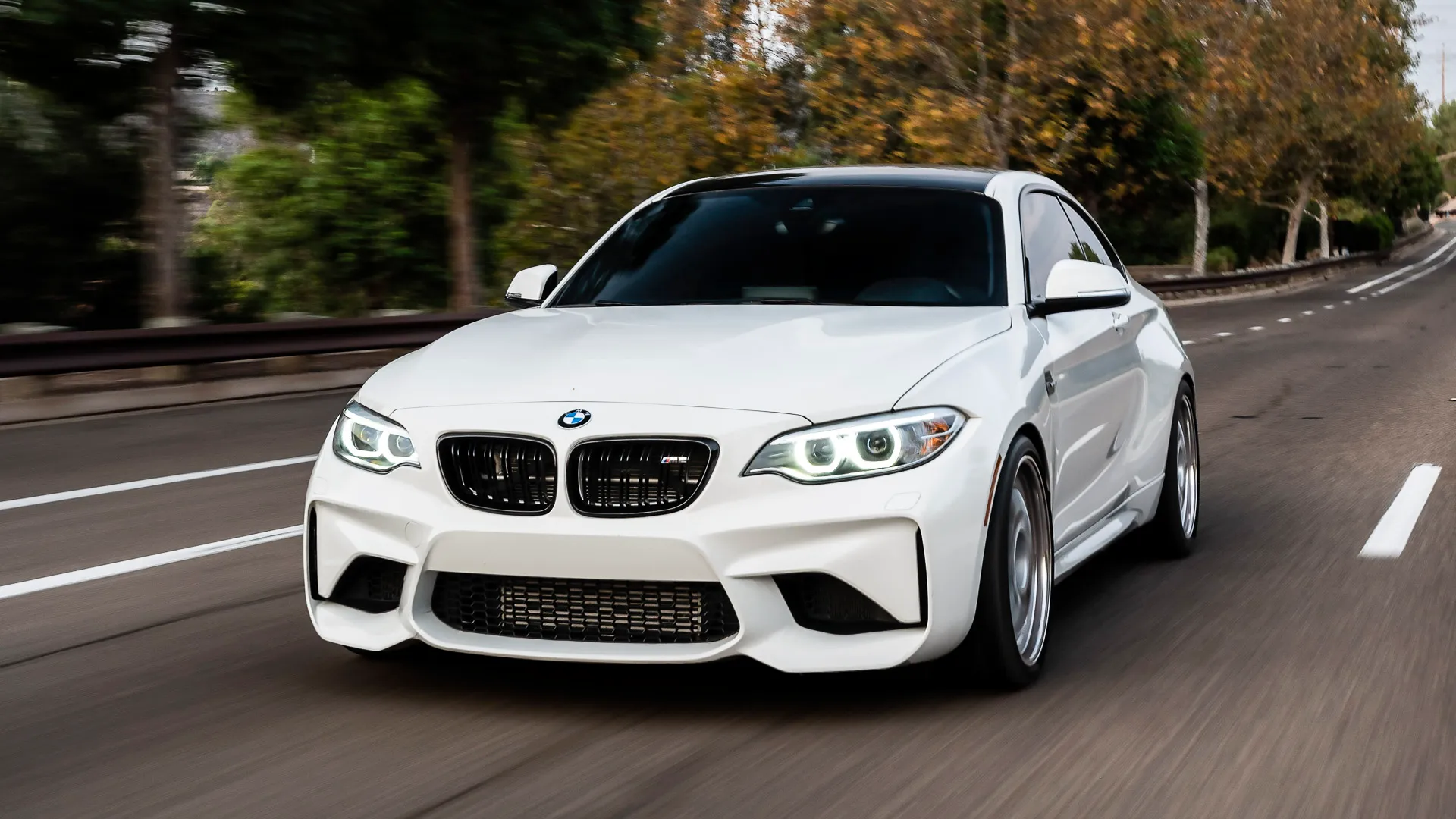
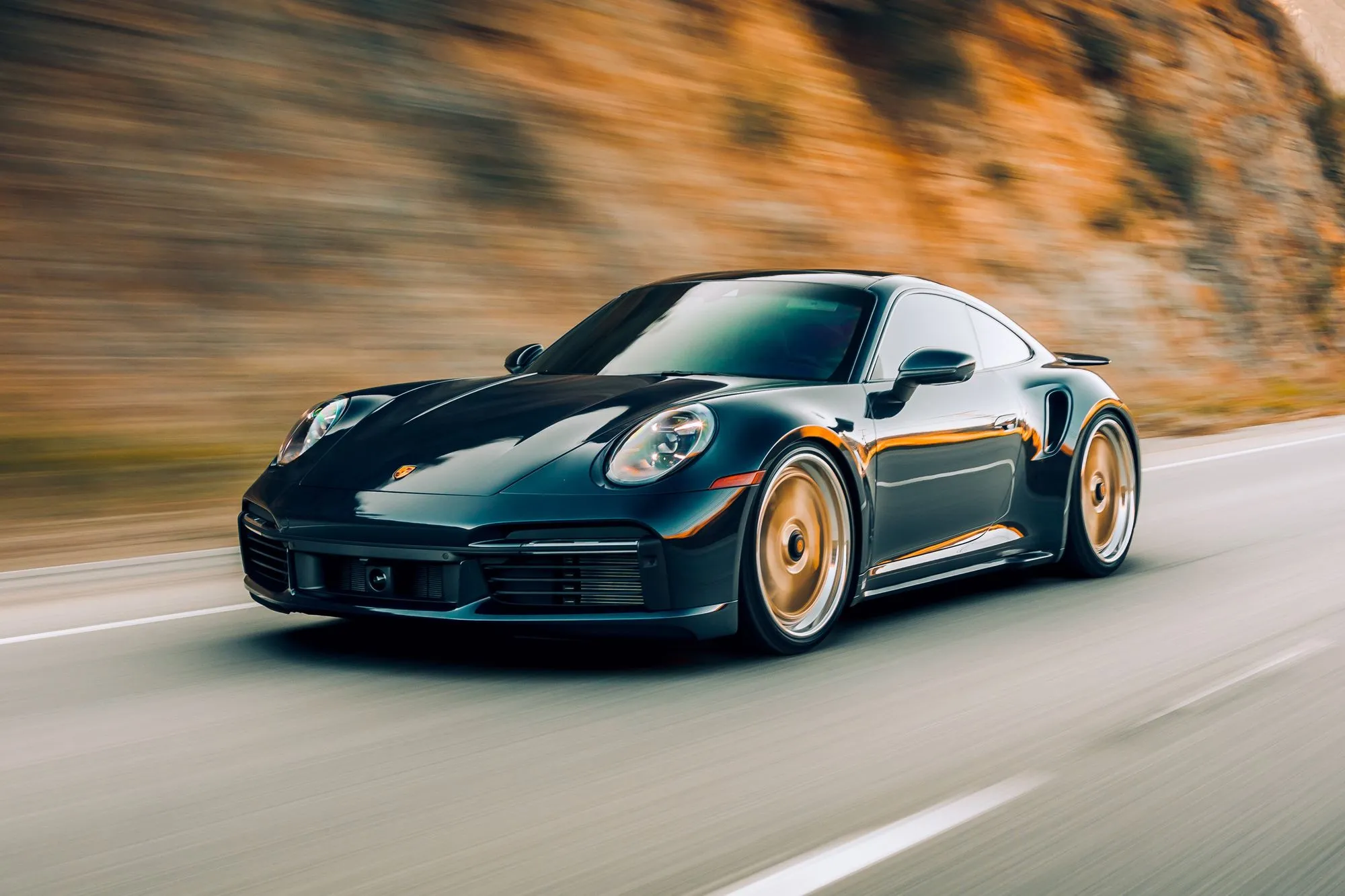
A Porsche, Corvette, Ferrari, Lamborghini, McLaren, BMW M car, or another low performance vehicle may have a nose sitting close to the pavement.
Owners may lean toward full-front PPF and added rocker-panel protection.
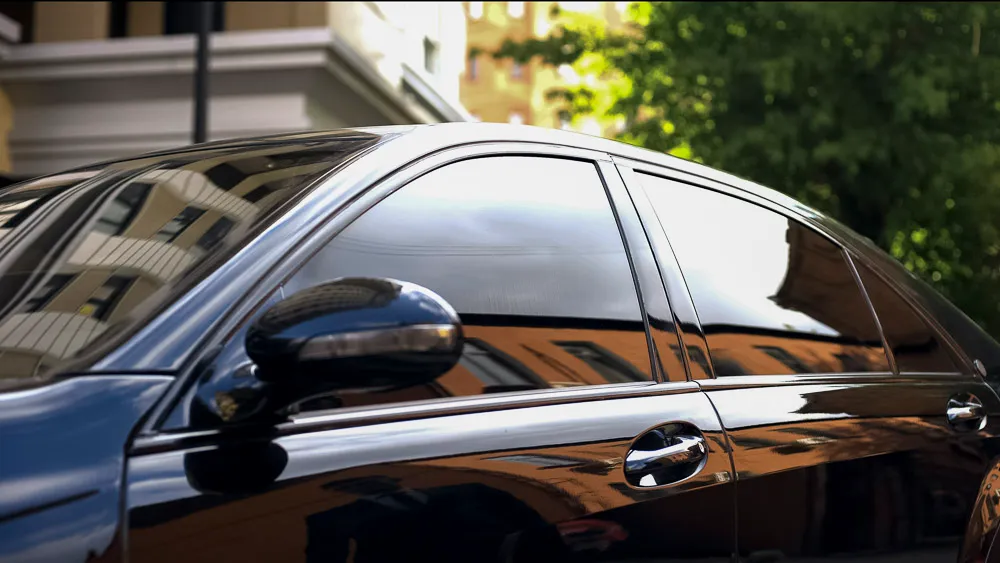
A Mercedes-Benz, BMW, Audi, Lexus, or other luxury sedan used every day can build up many miles.
Daily mileage may make broader front coverage attractive even when the vehicle is not used for performance driving.
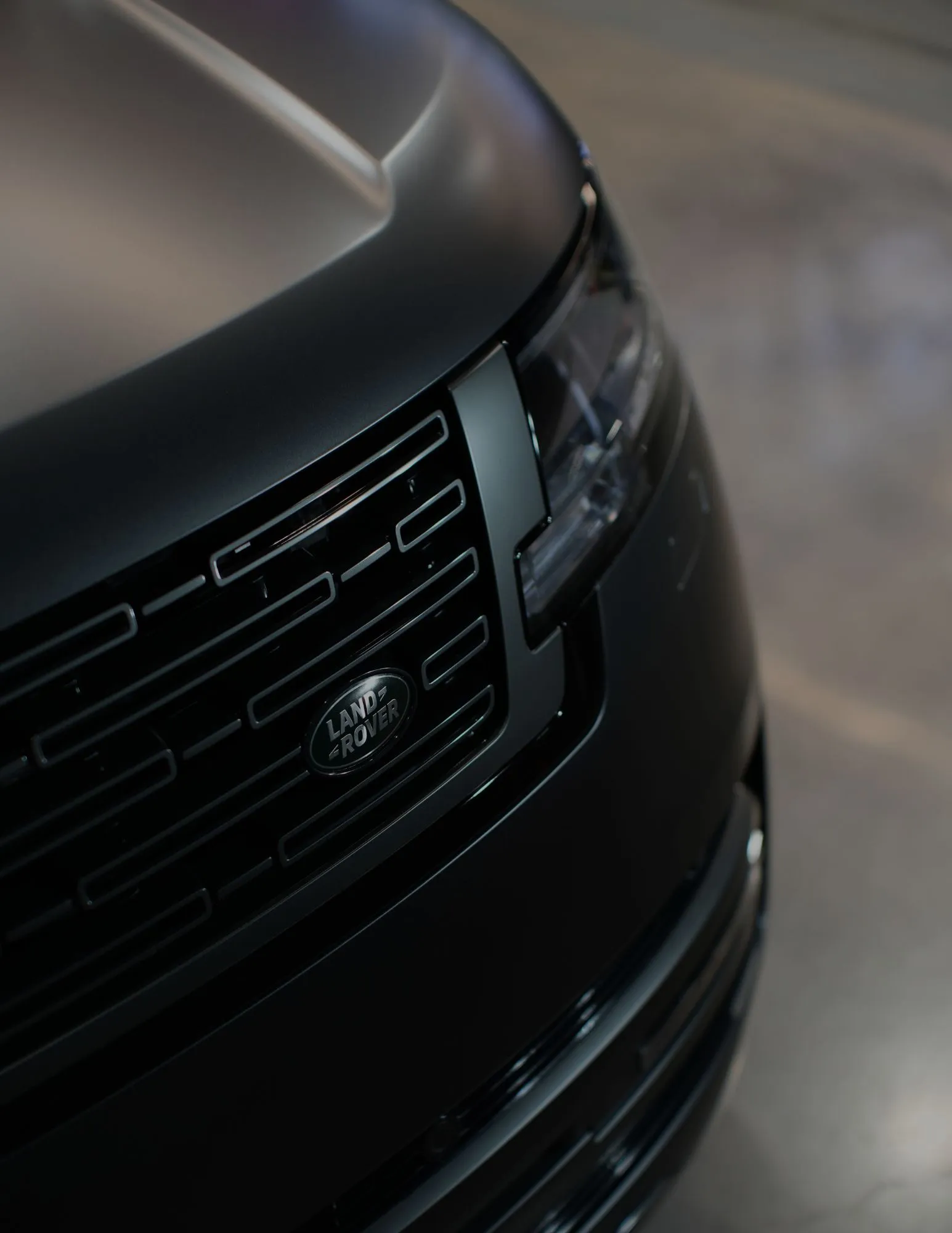
An SUV sits higher, but its bumper, hood, mirrors, and fenders still face debris from vehicles ahead.
SUVs also tend to be used frequently, which can increase cumulative road exposure.
Electric vehicles used as daily transportation can accumulate substantial mileage.
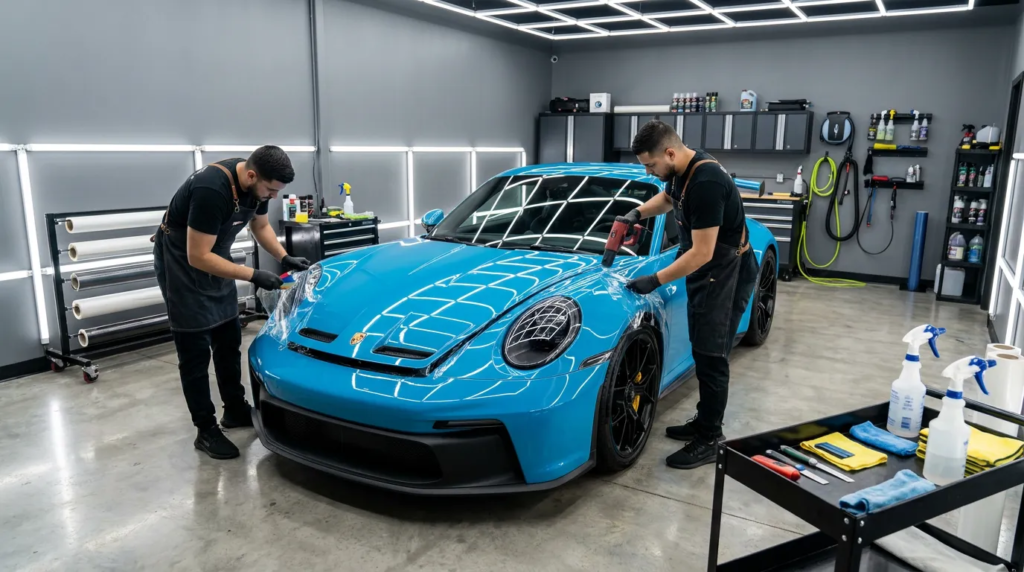
Tesla owners can read about our Tesla paint protection film options when comparing coverage.
A full-front package does not necessarily cover every area that sees road debris.
Rocker panels and lower doors can receive material thrown by the vehicle’s own tires.
This can matter on:
If you are already considering full-front PPF, ask the installer to inspect these areas.
Adding high-impact side coverage can make sense when the body shape places rocker panels or rear quarter sections in the path of tire-thrown debris.
Full-body PPF takes coverage beyond both partial-front and full-front packages.
Ceramic Pro describes its Entire Vehicle Package as covering all painted vehicle surfaces and headlights.
That means doors, quarter panels, rear sections, and other compatible painted surfaces can receive film too.
Why would someone move beyond full-front PPF?
Rock chips are not the only reason owners choose film.
Minor scratches, light abrasions, washing marks, and day-to-day contact can happen on doors and rear panels that front-end packages leave exposed.
Full-body film may fit owners who want the majority of their painted exterior beneath PPF.
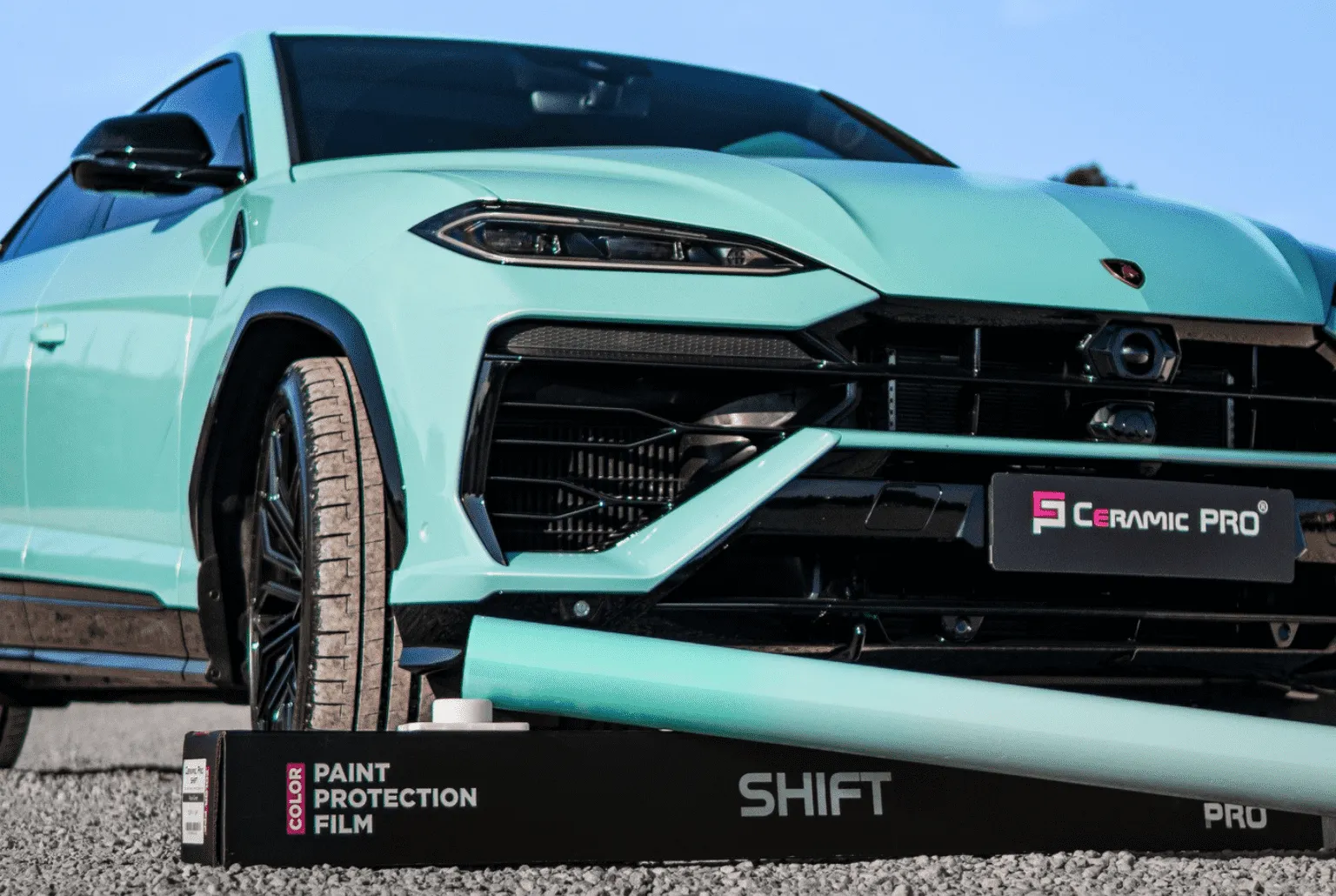
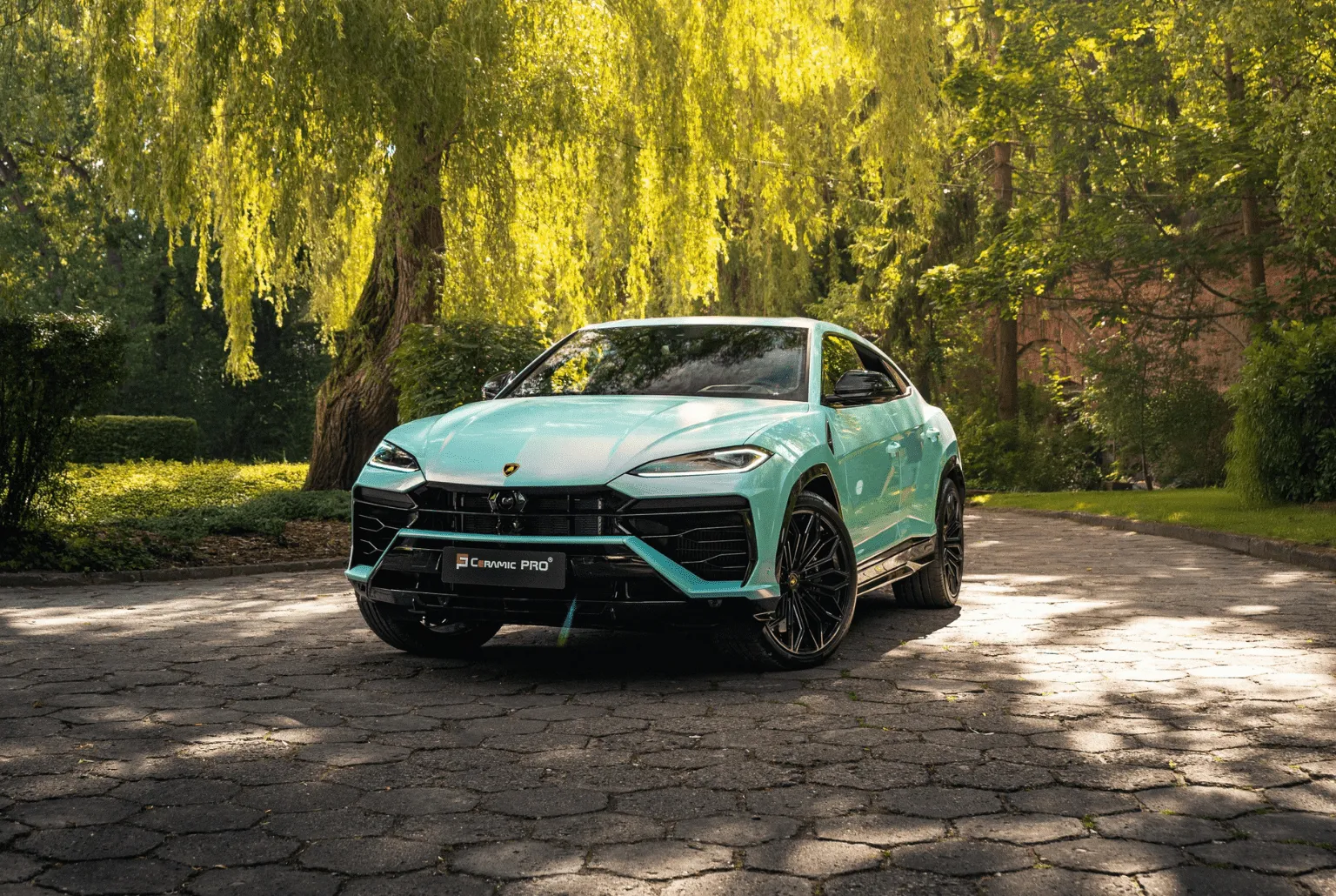
Ceramic Pro Las Vegas also offers color PPF for owners interested in changing the appearance of compatible surfaces while adding film.
Transparent PPF allows the surface beneath it to remain visible.
That means existing paint condition should be checked before installation.
Possible defects include:
Installing film does not automatically remove these marks.
Paint correction uses machine polishing to reduce certain defects in clear-coated paint before protection is installed.
A new vehicle may need little paint work.
A used vehicle may show more wear.
Ceramic Pro Las Vegas offers paint correction when the paint needs attention before PPF.
The condition of the actual car should decide whether correction makes sense.
Paint protection film and ceramic coating serve different purposes.
PPF is a physical film placed over compatible surfaces.
Ceramic coating is a liquid-applied product used on prepared compatible surfaces.
They can be paired.
An owner may choose full-front PPF for physical protection across the nose, then consider ceramic coating for compatible areas elsewhere on the vehicle.
Ceramic Pro Las Vegas offers ceramic coating and Ceramic Pro ION along with paint protection film.
If you want both services, discuss them during the same appointment so the work can be planned in the proper order.
Aftercare is similar whether you choose partial-front or full-front coverage.
Ceramic Pro publishes KAVACA PPF aftercare guidance for its automotive films.
Good habits include:
Partial-front coverage deserves extra attention around the film line across the hood and fenders.
Keeping those edges clean can help keep the transition less noticeable.
Ceramic Pro also publishes PPF warranty information that owners should review for the film installed on their vehicle.
Before choosing Partial Front vs Full Front PPF, ask the installer what is actually included.
Questions worth asking include:
Do not rely on the package name alone.
Different shops may use the same terms while including different panels.
Ceramic Pro publishes defined examples for its PPF packages, which gives buyers a clearer starting point for comparison.
For many drivers, the decision can be narrowed down to one question:
Are you comfortable leaving part of the hood and front fenders uncovered?
If the answer is yes, partial-front PPF may give you the level of coverage you want.
If you would rather put film across the entire hood and front fenders, full-front PPF is the stronger match.
Here is another way to look at it.
Choose partial-front PPF when you want focused protection across the leading front-end areas and are comfortable with a film transition across the hood and fenders.
Choose full-front PPF when you want broader front-end protection, complete hood and fender coverage, and no partial-film line across those panels.
Drivers who want protection beyond the front can add high-impact areas or consider full-body PPF.
Bottom line, Partial Front vs Full Front PPF is not about finding one package that is right for every vehicle. It is about choosing the amount of coverage that fits your car, driving habits, and expectations.
Ceramic Pro Las Vegas can inspect your vehicle and walk you through partial-front, full-front, high-impact, and full-body PPF choices.
Our shop is located at:
Ceramic Pro Las Vegas
8540 Dean Martin Dr. Ste 170
Las Vegas, NV
We serve drivers from Las Vegas, NV, Henderson, NV, Enterprise, NV, and nearby communities.
Ceramic Pro Las Vegas is an official Ceramic Pro Elite Dealer and installs Ceramic Pro paint protection film with applicable product and service warranties.
Call (702) 943-8877 Monday through Friday from 9 a.m. to 6 p.m. or visit our contact page to schedule an appointment.
Ceramic Pro’s Partial Front Package covers the front bumper, headlights, part of the hood and fenders, and front side mirrors. Its Full Front Package covers the complete hood and front fenders along with the bumper, mirrors, headlights, fog lights, and door cups.
Yes. Because the film stops before reaching the rear edge of the hood, there is a transition where the PPF ends. How noticeable it looks can vary with paint color, lighting, cleanliness, and viewing angle.
Ceramic Pro lists the full hood as part of its Full Front Package. The full front fenders are covered as well.
Full-front coverage places more of the hood and front fenders beneath film, which may appeal to drivers who spend substantial time on highways. The right choice still depends on how much coverage you want and the vehicle you drive.
No. Paint protection film can help protect against many rocks and flying road debris, but severe impacts can still damage film or the surface underneath.
High-impact areas such as rocker panels can be discussed separately from front-end coverage. This may make sense for low cars, performance vehicles, and models with wide tires.
Ceramic Pro Las Vegas is located at 8540 Dean Martin Dr. Ste 170 in Las Vegas, NV. Call (702) 943-8877 or visit our contact page to discuss your vehicle and schedule an appointment.
KAVACA Ceramic Coated Paint Protection Film
Publisher: Ceramic Pro
Publication Date: Not listed
URL: https://ceramicpro.com/kavaca/paint-protection-film/ceramic-coated-ppf/
KAVACA Paint Protection Film Layers and Coverage Packages
Publisher: Ceramic Pro
Publication Date: 2023
URL: https://ceramicpro.com/wp-content/uploads/2023/02/PPF-Education-Presentation-V.3.pdf
KAVACA Paint Protection Film Aftercare
Publisher: Ceramic Pro
Publication Date: Not listed
URL: https://ceramicpro.com/aftercare/aftercare-paint-protection-films/
Ceramic Pro Warranty
Publisher: Ceramic Pro
Publication Date: Not listed
URL: https://ceramicpro.com/warranty/
Las Vegas, NV Climate Summary for the Year of 2025
Publisher: NOAA National Weather Service
Publication Date: January 4, 2026
URL: https://forecast.weather.gov/product.php?format=CI&glossary=1&issuedby=LAS&product=CLA&site=FGZ&version=1
Tell us about your vehicle, daily driving, and goals so we can recommend the best package for protection and style. Share the services you want to compare, such as paint protection film, ceramic coating, window tint, vinyl wrap, or paint correction. Include your timeline and any photos that show panels, glass, or problem areas. The more details you provide, the more precise our estimate and scheduling will be.
Explore the many services we offer by clicking the boxes below