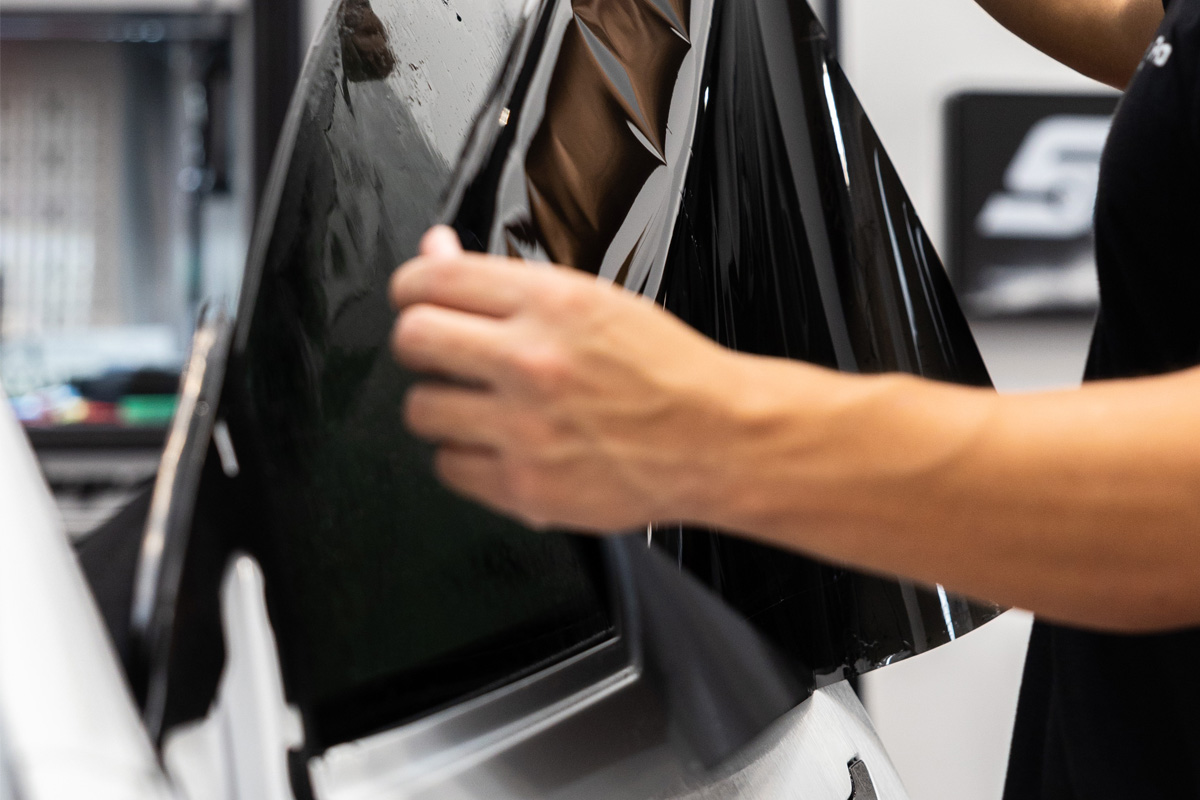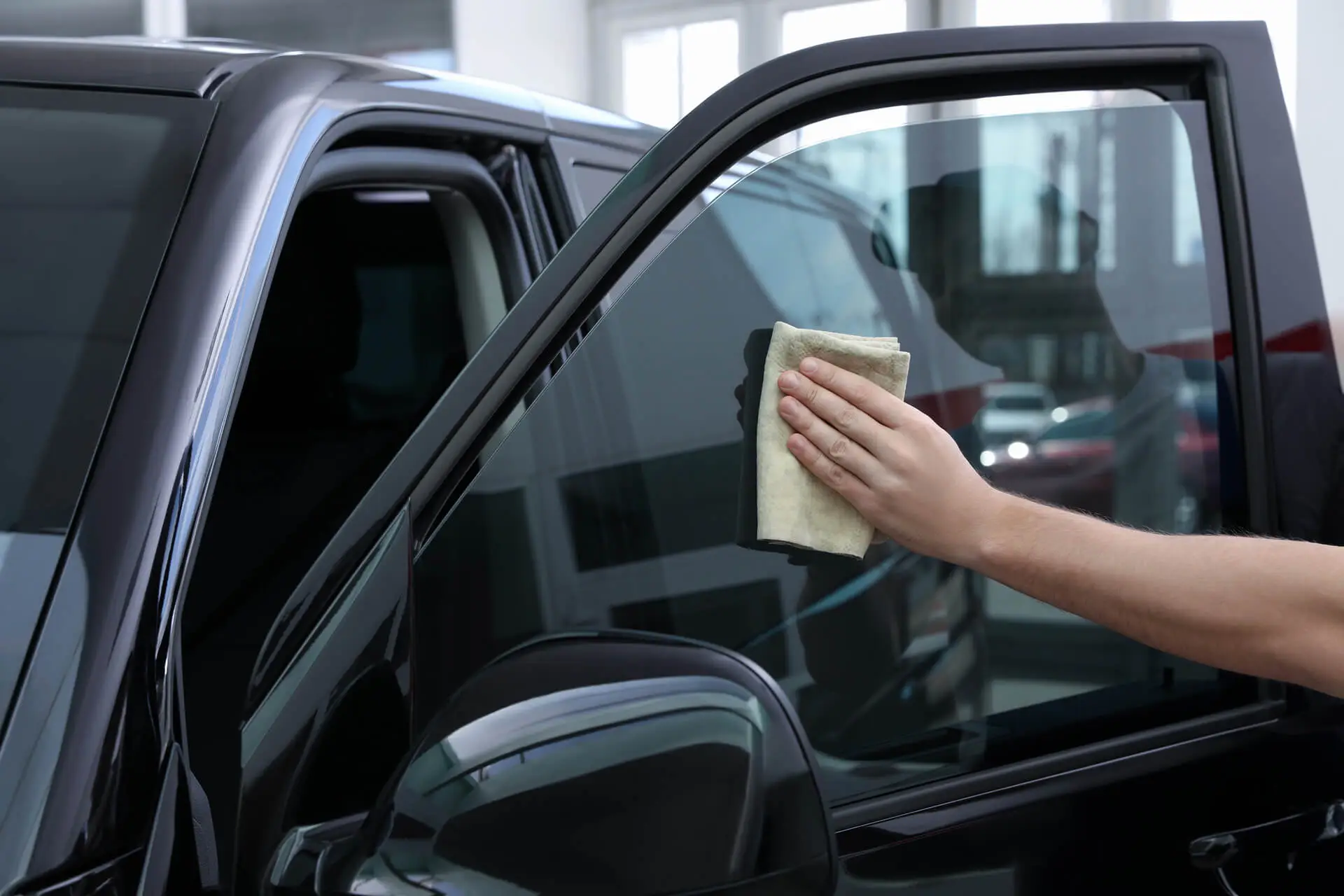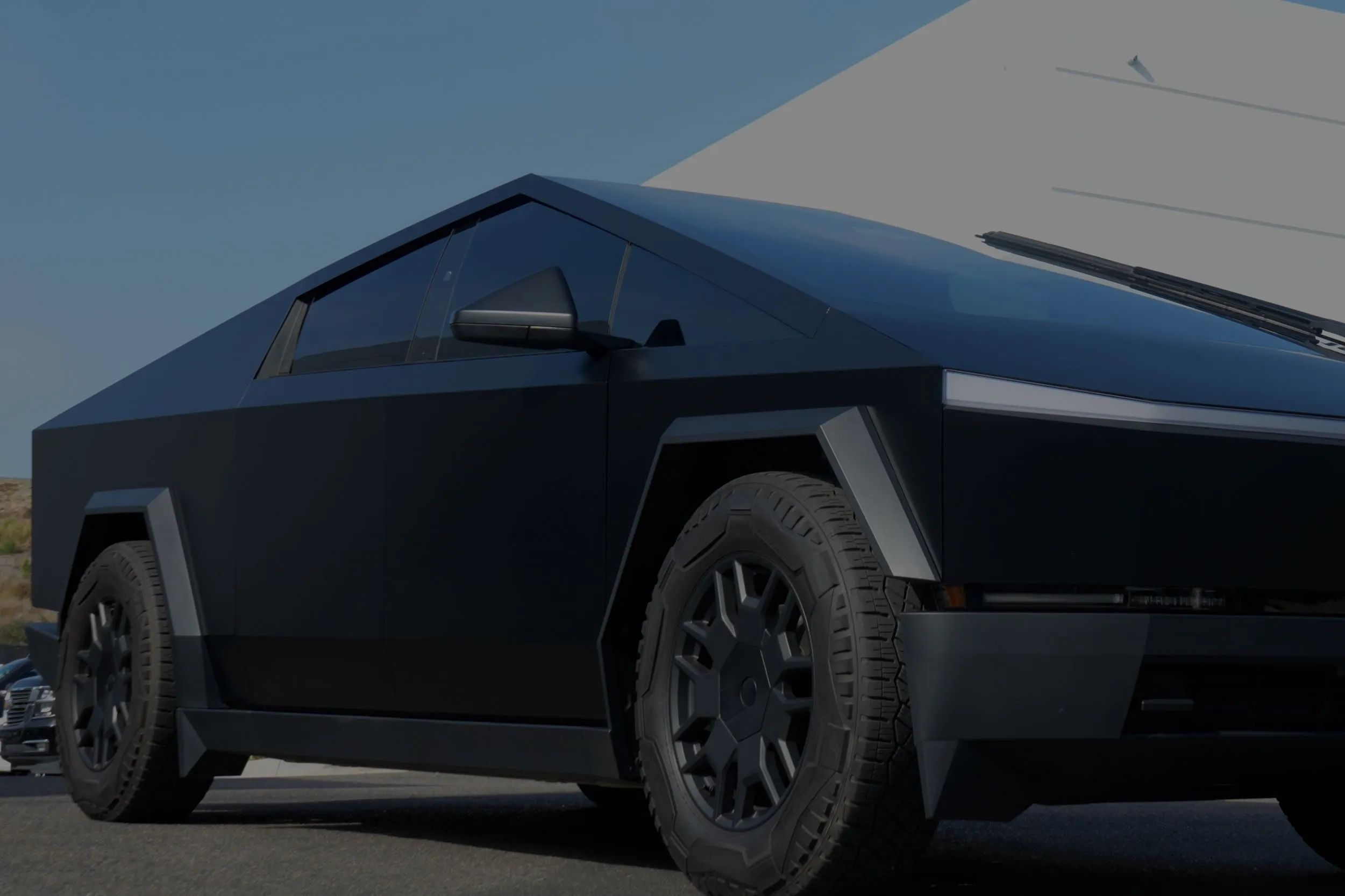

Tesla window tint in Las Vegas is about more than giving your electric vehicle a darker appearance. Between triple-digit summer temperatures, large glass surfaces, and daily exposure to desert sunlight, choosing the right window film can make your Tesla more comfortable throughout the year.
Whether you commute along I-15 in a Model 3, take your family around Henderson, NV in a Model Y, or spend your weekends traveling in a Model S or Model X, each Tesla has different window tint considerations.
The good news is that you do not need extremely dark windows to get strong heat rejection. Modern ceramic window films can filter infrared energy while allowing plenty of visible light into the cabin.
At Ceramic Pro Las Vegas, we install Ceramic Pro carbon and ceramic window films for Tesla owners who want better cabin comfort, UV protection, privacy, and a clean appearance.
Here is how to choose the right film for your Tesla.
Tesla vehicles are known for their open cabin designs, large windows, and expansive glass roof panels. These features create a spacious interior, but they also make solar heat control worth considering in Southern Nevada.
According to the National Weather Service, the normal daily high temperature in Las Vegas, NV during July is 104.5°F, using climate records from 1991 through 2020.
When your Tesla sits outside during a summer afternoon, sunlight warms the seats, dashboard, center console, and other interior surfaces. Those materials can continue releasing heat after you return to your vehicle.
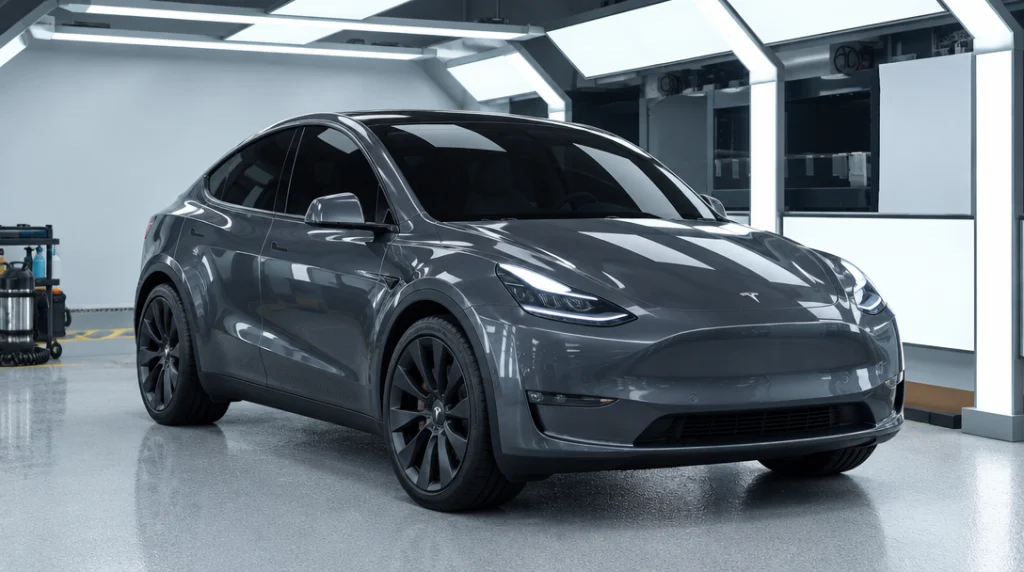
Tesla window tint in Las Vegas helps reduce the amount of solar energy entering through treated glass, addressing part of the heat buildup before your air conditioning starts cooling the cabin.
Yes. Tesla’s owner documentation explains that its factory windows, windshields, and glass roofs already provide UV protection.
You can find this information in the Tesla Model 3 Owner’s Manual and the corresponding documentation for other Tesla models.
UV protection and infrared heat rejection are different measurements, though.
A window can filter ultraviolet radiation while still allowing other forms of solar energy into the vehicle. Aftermarket ceramic film can help address remaining heat and glare concerns.
This is one reason Tesla owners may benefit from window tint even when their vehicle already has protective factory glass.
Ceramic window film helps reduce solar energy passing through treated windows.
If you regularly travel between Summerlin, NV and Las Vegas, NV during the afternoon, you may notice uncomfortable warmth coming through your side windows.
Selecting a film with strong infrared rejection can help reduce that sensation without requiring the darkest available shade.
Families often choose Tesla window tint in Las Vegas to make rear seating areas more comfortable.
Passengers sitting beside large windows may experience direct sunlight during school pickups, highway trips, and weekend outings.
Ceramic film can help reduce solar exposure through those windows while providing added privacy where permitted.
Tesla interiors contain seating materials, plastic trim, screens, and dashboard surfaces that receive regular sunlight exposure.
Window film with strong UV filtering can help slow sunlight-related fading and deterioration.
It cannot prevent every type of interior wear, but it can reduce one of the factors that contributes to aging materials.
Bright pavement, reflective buildings, and afternoon sunlight can create uncomfortable glare.
Choosing an appropriate tint shade can reduce visible light entering through your side windows.
A lighter ceramic film may be a better choice for motorists who frequently travel after sunset and want to retain outward visibility.
Tesla vehicles rely on navigation, mobile connectivity, Bluetooth, and other wireless systems.
Ceramic Pro’s nonmetallic films are designed to avoid the signal interference associated with certain metallic window films.
Film placement still matters. Camera viewing areas and other manufacturer-designated sensor zones should remain unobstructed.
Our Tesla window tinting services help owners select films with these considerations in mind.
The Tesla Model 3 is a popular choice for everyday commuting. Its large rear glass, frameless side windows, and glass roof deserve careful attention when planning a tint installation.
For many Model 3 owners, the goal is better heat control without losing the bright, open feel of the cabin.
The front and rear door windows are a practical starting point.
If you spend several hours each week commuting through Las Vegas, NV, ceramic film can help reduce sunlight and radiant heat reaching you from the sides.
We recommend comparing Ceramic Pro Ceramic X, Ceramic IR, and Ultimate IR based on your preferred shade, daily travel habits, and existing glass.
The Model 3’s large rear window extends upward toward the roof, creating installation considerations that differ from conventional sedans.
Depending on the model year, glass condition, available film width, and installation method, owners may have different rear-glass coverage options.
A single-piece installation may offer a more uniform appearance when it is suitable for the vehicle and selected film.
Before scheduling, ask how the installation will address the factory shading, rear defroster lines, and appearance of the finished glass.
| Film | Why Consider It |
|---|---|
| Ceramic Pro Ceramic X | Ceramic and carbon construction for everyday heat and glare control |
| Ceramic Pro Ceramic IR | Strong infrared rejection for regular desert commuting |
| Ceramic Pro Ultimate IR | High infrared rejection for owners focused on cabin comfort |
Model 3 owners looking for Tesla window tint in Las Vegas should compare these films at similar visible light transmission levels rather than choosing solely by appearance.
The Model Y offers a spacious cabin, large side windows, rear liftgate glass, and roof configurations that vary by model year and trim.
For families in Henderson, NV, window tint can help address uncomfortable sunlight reaching both front and rear passengers.
Many Model Y vehicles come with darker factory rear glass.
That darker appearance does not automatically tell you how much infrared energy the glass rejects.
Factory privacy glass and aftermarket ceramic window film can have different solar performance characteristics.
If your rear windows already look dark enough, a lighter compatible ceramic film may add solar heat rejection without making them excessively dark.
The finished appearance depends on the combination of the original glass and selected film.
Many owners want their front windows to look similar to the factory rear windows.
An exact visual match may require a front-window shade that does not meet Nevada’s light transmission requirements.
We recommend prioritizing legal front-window transmission and nighttime visibility rather than forcing an identical appearance.
A carefully selected lighter ceramic film can still complement the rear privacy glass.
For family vehicles and everyday commuters, Ceramic Pro Ceramic IR window tint is worth comparing.
Owners who regularly park outdoors or travel during the hottest hours of the day may also want to consider Ceramic Pro Ultimate IR.
Both films focus on infrared heat rejection, with multiple shade choices available.
Model S owners often want a combination of cabin comfort, privacy, and a refined exterior appearance.
With its large windshield, spacious seating area, and glass roof options, the Model S benefits from a window-by-window approach.
Not every luxury vehicle needs dark tint.
A lighter ceramic film can preserve the Model S’s original appearance while reducing infrared energy through treated glass.
This works well for owners who want the benefits of Tesla window tint in Las Vegas without a dramatic change in appearance.
The rear liftgate glass and rear passenger windows provide separate opportunities for glare control and privacy.
Think about how often you carry passengers, travel at night, or use your rearview mirror in poorly lit areas.
A medium or lighter film may provide a more comfortable balance than an extremely dark shade.
Ceramic Pro Ceramic IR and Ultimate IR are worth comparing for Model S owners who place a high priority on heat rejection.
Lighter Ultimate IR shades may be appealing to motorists who want strong infrared performance while maintaining an understated look.
The Model X has one of Tesla’s most distinctive glass configurations, including its large panoramic windshield and Falcon Wing door windows.
These features create an open cabin, but they also require thoughtful decisions about film coverage.
The panoramic windshield extends above the front seating area, allowing sunlight to enter from a wide range of angles.
Despite the large surface area, Nevada’s windshield tint restrictions still apply.
Do not assume that the upper portion of the panoramic windshield is legally treated as a separate roof window.
Before selecting any film for this area, confirm the glass configuration, legal coverage limits, and manufacturer requirements.
The Model X’s rear seating areas contain windows that differ from those found on conventional SUVs.
Tesla window tint in Las Vegas for a Model X should account for glass shapes, existing factory shading, door operation, and passenger visibility.
Depending on your vehicle’s configuration, treating compatible rear passenger windows may help reduce sunlight exposure while adding privacy.
Ceramic Pro Ceramic IR and Ultimate IR are strong candidates for Model X owners interested in solar heat control.
Tesla also offers Model X sunshades for compatible glass areas.
Removable shades may be worth considering where aftermarket film is unsuitable or unnecessary.
Choosing the right Tesla window tint in Las Vegas starts with understanding the differences between film types.
At Ceramic Pro Las Vegas, we offer several Ceramic Pro films for owners with different comfort and appearance preferences.
Ceramic Pro Carbon CS window tint is an option for owners who want a darker appearance, UV filtering, and glare control.
It is worth comparing when privacy and appearance are your main concerns.
If desert heat rejection is your biggest concern, you may prefer one of our ceramic film options.
Ceramic Pro Carbon X window tint combines carbon materials with infrared-blocking technology.
It offers a way to address sunlight and cabin comfort while maintaining a nonmetallic film construction.
Carbon X can suit Tesla owners looking for a balance between solar performance and appearance.
Ceramic Pro Ceramic X window tint combines ceramic and carbon materials to address infrared heat and glare.
Its darker tone is designed to complement factory privacy glass.
It is worth comparing for Model Y and Model X owners who want a consistent appearance across compatible windows.
Ceramic IR uses nanoceramic technology to reject infrared energy while filtering ultraviolet radiation.
It offers several shade choices, making it suitable for owners who want heat control without selecting an excessively dark tint.
This film is a strong candidate for Tesla owners who spend long periods traveling through Southern Nevada.
Ultimate IR is Ceramic Pro’s highest infrared-rejection window film tier.
According to Ceramic Pro’s official automotive window film information, Ultimate IR can reject up to 99% of infrared radiation under the manufacturer’s stated testing conditions.
That figure does not mean the film blocks 99% of all solar heat or lowers cabin temperatures by 99%.
Its performance across lighter shades makes Ultimate IR worth considering for Tesla owners who want strong heat rejection while retaining visibility.
| Film | Construction | Main Consideration | Suitable For |
|---|---|---|---|
| Carbon CS | Carbon | Appearance and glare reduction | Everyday motorists |
| Carbon X | Carbon with infrared-blocking materials | Added solar heat control | Daily commuters |
| Ceramic X | Ceramic and carbon | Heat control and factory-style appearance | Model Y and Model X owners |
| Ceramic IR | Nanoceramic | Strong infrared rejection | All four Tesla models |
| Ultimate IR | Nanoceramic | Highest infrared-rejection tier from Ceramic Pro | Owners focused on desert heat control |
The most suitable film depends on the exact shade, vehicle glass, coverage area, and performance you want.
One of the biggest decisions when purchasing Tesla window tint in Las Vegas is selecting the visible light transmission percentage, commonly called VLT.
VLT describes how much visible light passes through a film or window.
A lower number means a darker appearance. A higher number allows more visible light through.
| Film VLT | General Appearance | Main Consideration |
|---|---|---|
| 70% to 80% | Nearly clear to light | Retains a brighter cabin |
| 50% | Light | Subtle shading and visibility |
| 35% | Medium | More noticeable tinted appearance |
| 20% | Dark | Added daytime privacy |
| 5% | Very dark | Deep privacy appearance with reduced nighttime visibility |
These percentages describe film ratings, not necessarily the finished window’s legal light transmission.
Available shades differ between Ceramic Pro products.
Your Tesla’s factory glass already filters some visible light.
Suppose your original window has 80% VLT and you add a film rated at 50% VLT.
The estimated combined transmission would be:
80% x 50% = 40% VLT.
This calculation helps explain why applying a 35% film does not necessarily produce a window with 35% finished transmission.
Actual measurements may differ, so have the original glass and finished installation checked with suitable equipment.
A dark carbon film may allow more solar energy through than a lighter ceramic film.
When comparing Tesla window tint in Las Vegas, ask about three separate measurements:
Comparing films at similar VLT levels and under comparable testing conditions provides a better understanding of their performance.
Tesla owners in Las Vegas, NV, Henderson, NV, and Summerlin, NV must follow the same Nevada window tint requirements as other motorists.
The applicable restrictions are outlined in Nevada Revised Statutes NRS 484D.440.
Nevada generally requires the windows beside the driver to be nonreflective and maintain at least 35% combined visible light transmission, with a statutory tolerance of 7%.
The combined reading includes both factory glass and aftermarket film.
We recommend selecting a film that meets the 35% requirement without relying on the tolerance.
Nevada permits darker films behind the driver when the vehicle has exterior mirrors on both sides that provide the required rearward view.
This allows many Tesla owners more flexibility with rear passenger windows and rear glass.
Dark rear tint may still affect nighttime visibility, so consider your regular travel conditions.
Nevada generally restricts aftermarket material that changes windshield color or reduces light transmission.
A qualifying strip at the top of the windshield may be permitted if it meets the state’s placement and color requirements. Other statutory exceptions or approved exemptions may apply.
Even a nearly transparent ceramic film should not automatically be considered legal for full windshield installation.
| Window | General Nevada Requirement |
|---|---|
| Front driver window | At least 35% combined VLT, subject to statutory tolerance |
| Front passenger window | At least 35% combined VLT, subject to statutory tolerance |
| Rear side windows | Flexible darkness when mirror requirements are satisfied |
| Rear glass | Flexible darkness when mirror requirements are satisfied |
| Front windshield | Restricted, with qualifying exceptions |
| Front side window reflectivity | Nonreflective |
Our team can help you compare appropriate film shades before installation.
Glass roof tint is a common question among Tesla owners living in Southern Nevada.
The answer depends on your Tesla model, model year, factory glass, current solar performance, and the film manufacturer’s compatibility requirements.
Tesla’s owner manuals describe the factory glass as providing UV protection.
That does not mean every roof panel offers the same infrared or total solar energy rejection.
Some owners remain comfortable with the factory roof, while others notice warmth entering from overhead during long periods of sun exposure.
A compatible ceramic film may reduce solar energy entering through a treated roof panel.
Not every film is suitable for every type of automotive glass.
Certain glass and film combinations can affect heat absorption and thermal stress. This deserves attention when treating large, laminated, or heavily shaded glass panels.
Before installing roof film, ask whether:
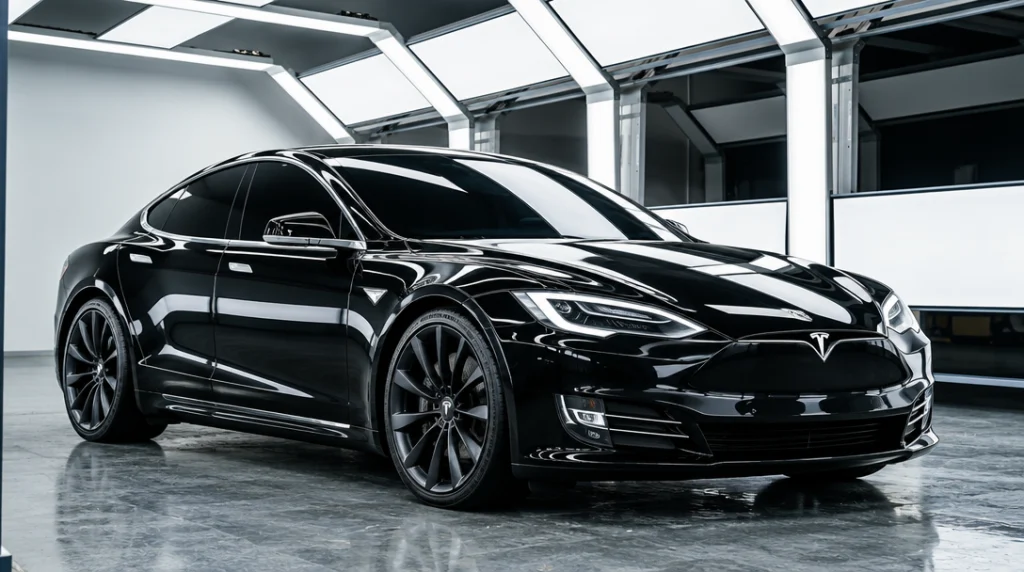
When planning Tesla window tint in Las Vegas, roof coverage should be evaluated separately rather than automatically included with side-window tint.
Yes. A removable sunshade can help reduce direct sunlight entering the cabin without permanently modifying the glass.
Tesla offers model-specific accessories, including Model Y sunshades.
Check compatibility with your vehicle’s production year and trim before selecting one.
Electric vehicles use battery energy to operate their climate control systems.
During a hot afternoon in Las Vegas, NV, your Tesla may need to cool the cabin after sitting outside for several hours.
Ceramic window tint can help reduce incoming solar energy through treated windows, potentially lowering part of the cooling demand.
Does that mean you will gain a fixed number of miles per charge?
No. Actual energy consumption depends on outdoor temperature, vehicle speed, parking conditions, climate settings, and other factors.
Tesla’s official Range Tips explain that hot weather and climate control usage can affect vehicle energy consumption.
Tesla allows owners to cool the cabin remotely before leaving for a trip.
According to Tesla’s hot-weather ownership guidance, preconditioning, shaded parking, and charging when parked can help manage cabin temperatures and energy use.
Tesla window tint in Las Vegas works alongside these habits rather than replacing them.
Think of ceramic film as a comfort improvement that may reduce some cooling demand, not a guaranteed battery range upgrade.
The darkest film is not automatically the best heat-rejecting option.
Compare the performance of each film before deciding how dark you want your windows.
Adding dark film over already shaded rear glass can create a much darker finished window than expected.
This may become inconvenient when reversing or traveling at night.
A Model 3 rear window differs from the rear liftgate glass of a Model Y.
Model S and Model X vehicles have their own glass configurations, and Tesla changes materials and designs across production years.
Always identify your exact vehicle before selecting a film and coverage package.
A window film warranty is separate from your Tesla vehicle warranty.
Review your vehicle’s warranty documents before making aftermarket modifications.
If you lease your Tesla, check the lease return requirements as well. Tesla’s Excess Wear and Use Guide identifies modifications to original factory tint as a potential lease-return issue.
Frameless door windows, large rear glass panels, defroster lines, and nearby electronic components require careful handling.
When shopping for Tesla window tint in Las Vegas, ask how the installer protects interior components, prepares glass, and checks the finished installation.
A good installation starts with understanding the vehicle rather than treating every car the same way.
Proper care helps maintain the appearance and condition of your newly installed film.
Ceramic Pro’s window tint aftercare instructions recommend avoiding manually lowering treated windows for three to five days after installation.
Full curing may take between one and four weeks, depending on environmental conditions.
Because Tesla vehicles have frameless windows that may move slightly during normal door operation, follow the vehicle-specific instructions from your installer.
You may notice slight cloudiness, moisture pockets, or streaks shortly after installation.
These can be temporary effects of the curing process.
Do not press on moisture pockets or attempt to remove them yourself. Contact your installer if they remain after the expected curing period.
Ceramic Pro recommends waiting at least seven days before cleaning newly tinted windows.
When cleaning your Tesla:
Following the supplied care instructions can also help maintain eligibility for applicable film warranty coverage.
Window film addresses sunlight entering through your vehicle’s glass. Other parts of your Tesla face daily exposure to road debris, dust, environmental contaminants, and regular washing.
If you are investing in Tesla window tint in Las Vegas, you may also want to consider protection for the exterior and interior.
Small stones and road debris can chip exposed painted panels during highway travel.
Our Tesla paint protection film services help protect covered areas against common forms of physical damage.
Frequently treated areas include the front bumper, hood, front fenders, and side mirrors.
Our Tesla ceramic coating services help make treated exterior surfaces easier to wash while improving resistance to certain environmental contaminants.
Ceramic Pro coatings and window tint serve different purposes, making them useful additions to the same vehicle protection plan.
Want to change the appearance of your Tesla while protecting the original paint?
Our Tesla color PPF services combine a new exterior color with protective film coverage.
Our Tesla vinyl wrap services offer another way to customize your vehicle’s appearance.
You can pair a color change wrap with ceramic window tint for a coordinated exterior finish.
For motorists who regularly travel on Southern Nevada highways, Ceramic Pro windshield protection film may help reduce damage from small road debris.
Compatibility, optical clarity, and applicable windshield regulations should be reviewed before installation.
Your Tesla deserves more than a generic window tint package.
A well-planned installation considers the vehicle’s glass, factory shading, daily usage, nighttime visibility, and the performance of the selected film.
At Ceramic Pro Las Vegas, we work with Model 3, Model Y, Model S, and Model X owners throughout Southern Nevada.
As an official Ceramic Pro Elite Dealer, we offer:
Our shop is located on Dean Martin Dr. in Las Vegas, NV, serving customers from Henderson, NV and Summerlin, NV.
Whether you recently purchased your Tesla or want to improve the comfort of your current vehicle, we can help you select a suitable film.
Browse our Tesla protection and customization services to learn more about the options available for your vehicle.
Ceramic Pro Ceramic IR and Ultimate IR are worth comparing for Tesla owners concerned about desert heat. Ultimate IR offers Ceramic Pro’s highest infrared-rejection tier. The right choice depends on your vehicle’s factory glass, desired shade, coverage area, and daily travel habits.
Aftermarket window tint is not required, but it may provide additional infrared heat rejection, glare control, and privacy. Tesla’s factory glass already provides UV protection, so selecting aftermarket film should focus on the remaining benefits you want from each window.
Roof tint may help manage overhead sunlight when a compatible film is available. The decision depends on the glass construction, existing factory protection, thermal stress considerations, and manufacturer requirements. A removable roof sunshade may also be suitable.
Nevada generally requires front side windows to maintain at least 35% combined visible light transmission, subject to a statutory tolerance of 7%. Rear windows have more flexibility when the vehicle meets the state’s mirror requirements. Windshield tint is restricted, with certain qualifying exceptions.
Ceramic Pro’s nonmetallic window films are designed to avoid signal interference associated with certain metallic films. They can suit vehicles that rely on GPS, Bluetooth, and mobile connectivity. Film must still be installed without obstructing camera viewing areas or other designated sensor zones.
Ceramic window tint may help reduce part of the cabin’s solar heat load, potentially reducing air conditioning demand. There is no guaranteed mileage increase. Actual range depends on weather, vehicle speed, climate settings, battery condition, and other factors.
Contact Ceramic Pro Las Vegas at (702) 943-8877 or complete our online contact form. Share your Tesla’s model, production year, existing tint, and preferred film appearance so our team can help you plan your installation.
You should be able to enjoy your Tesla without feeling the full intensity of the desert sun through every window.
Whether you own a Model 3, Model Y, Model S, or Model X, choosing the right ceramic window film can help reduce solar heat, control glare, filter UV radiation, and improve everyday cabin comfort.
At Ceramic Pro Las Vegas, we help Tesla owners compare Carbon X, Ceramic X, Ceramic IR, Ultimate IR, and other available Ceramic Pro films.
Our certified installers can help you choose a film that suits your vehicle’s glass, preferred appearance, and Nevada’s window tint requirements.
Ready to experience the benefits of professional Tesla window tint in Las Vegas?
Contact our team today to discuss your vehicle and schedule an appointment.
Ceramic Pro Las Vegas
8540 Dean Martin Dr. Ste 170
Las Vegas, NV 89139
Phone: (702) 943-8877
Business Hours: Monday through Friday, 9 AM to 6 PM
Website: https://ceramicprolv.com/
Schedule Your Tesla Window Tint Appointment
Tell us about your vehicle, daily driving, and goals so we can recommend the best package for protection and style. Share the services you want to compare, such as paint protection film, ceramic coating, window tint, vinyl wrap, or paint correction. Include your timeline and any photos that show panels, glass, or problem areas. The more details you provide, the more precise our estimate and scheduling will be.
Explore the many services we offer by clicking the boxes below